Ubiquinol vs Ubiquinone
Ubiquinol and Ubiquinone compared on absorption, gut tolerance, and real cost per dose — the cheapest of each pulled live from the Amazon US catalog.
Updated October 2026
Side by side
| Attribute | Ubiquinol | Ubiquinone |
|---|---|---|
| Form | Reduced (active) | Oxidized (needs conversion) |
| Absorption | Higher | Good with fat |
| Stability | Good | Very stable |
| Best for | 40+ / statins | Younger / value |
| Active deals tracked | 24 | 15 |
| Cheapest cost per dose | $0.22 (per 200 mg) | $0.06 (per 400 mg) |
Ubiquinol is the reduced, active form the body uses directly and tends to absorb better; ubiquinone must be converted to ubiquinol in the body, which is efficient when young but declines with age.
Which to avoid / caveats
- Ubiquinone is often the cheaper option, but it’s the lower-absorption form here — Absorbs modestly like all CoQ10, but a well-made oil-based softgel works about as well as pricier ubiquinol for most people.
- Compare cost per elemental / active content, not the compound milligrams printed on the label — a bigger number on the front can hide less of what you actually absorb.
- The cheapest sticker price isn’t always the best value: our “cheapest per dose” figures normalise price across bottle sizes, so a larger count only wins if it truly costs less per serving.
UbiquinolWell absorbed
Best for: Adults over ~40, statin users, and anyone wanting maximum absorption.
Best Ubiquinol by cost per doseUbiquinoneModerate absorption
Best for: Younger, healthy users and best value — take with dietary fat.
Best Ubiquinone by cost per doseCheapest Ubiquinol
NEW
🫀 CoQ10
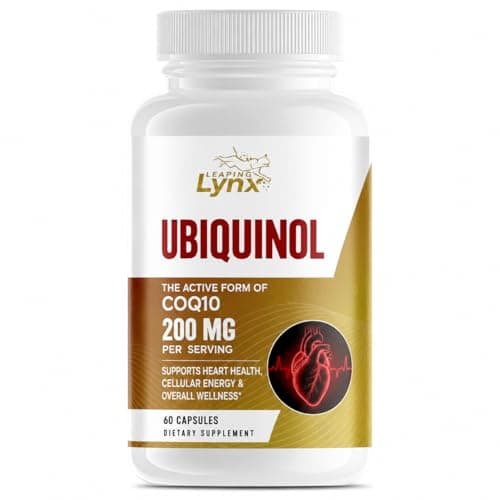
Ubiquinol CoQ10 200mg – High Absorption Active Coenzyme Q10…
Cost per serving
$0.22
60 servings · ~60-day supply
Well absorbed
$12.94Price from Amazon.com
Leaping Lynx · Amazon.com 0
See the offer Cheapest Ubiquinone
NEW
🫀 CoQ10
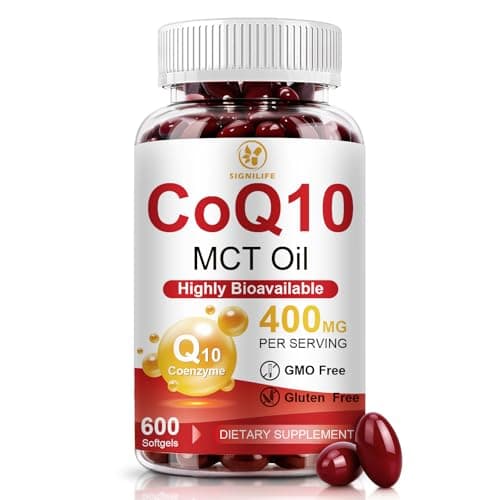
CoQ10 400mg Per Serving
Cost per serving
$0.06
600 servings · ~600-day supply
Moderate absorption
$36.39Price from Amazon.com
SIGNILIFE · Amazon.com 0
See the offer Frequently asked
Is ubiquinol or ubiquinone better?+
Ubiquinol is the active form and generally absorbs better, which is most useful past about 40 or on statins. Ubiquinone is cheaper, very stable, and perfectly effective for most younger, healthy people when taken with a fatty meal.
Do I need ubiquinol if I am over 40 or take a statin?+
It is the more reliable choice in those cases. The body’s ability to convert ubiquinone to ubiquinol declines with age, and statins lower CoQ10 levels — so the pre-converted ubiquinol form removes a step.
Is Ubiquinol or Ubiquinone cheaper per dose?+
The cheapest Ubiquinol we track is $0.22 per serving; the cheapest Ubiquinone is $0.06 per serving — so Ubiquinone costs less per dose right now (October 2026).
Why is ubiquinol so expensive?+
Ubiquinol is the reduced (active) form of CoQ10, and because it oxidizes readily in air it generally needs stabilized, sealed packaging and a more involved manufacturing process than ubiquinone, which tends to push the price up. That's part of why ubiquinone is often cheaper per milligram. For most healthy adults the body converts ubiquinone into ubiquinol on its own, so the premium isn't always necessary — though needs vary, and it's worth comparing actual cost-per-dose on the products you're looking at.
Who should avoid ubiquinol?+
There's no widely recognized group that strictly must avoid ubiquinol, but if you take a blood thinner such as warfarin, are pregnant or breastfeeding, or take blood-pressure or chemotherapy medication, it's a good idea to check with your doctor or pharmacist first, since CoQ10 in either form may interact. The same caution applies to ubiquinone, so this isn't a reason to choose one form over the other. This is general information, not medical advice.
What should you not mix with CoQ10?+
CoQ10 (both ubiquinol and ubiquinone) may interact with the blood thinner warfarin, where it can reduce warfarin's effect, and it may add to the blood-pressure-lowering effect of antihypertensive medication — so it's commonly advised to talk to a doctor or pharmacist before combining them. It's also sometimes taken alongside statins, which can lower the body's own CoQ10 levels. These interactions apply to both forms equally. This is general information and not a substitute for advice from your own clinician.
Ubiquinone vs ubiquinol for elderly+
Blood CoQ10 levels tend to decline with age, and ubiquinol is often suggested for older adults on the rationale that it may raise levels more directly. The head-to-head evidence between the two forms is mixed, though, and ubiquinone still works for many people and usually costs less per dose. There's no one-size-fits-all answer: a reasonable approach is to weigh cost against any specific advice from your doctor rather than assuming the pricier form is automatically better.
Dosage & safety answers sourced from the NIH Office of Dietary Supplements. General information, not medical advice.
What the research says
No serious side effects of CoQ10 have been reported; mild side effects such as insomnia or digestive upsets may occur. — per the NIH National Center for Complementary and Integrative Health.
Related
Best Ubiquinol by cost per doseBest Ubiquinone by cost per doseUbiquinol dosage & factsUbiquinone dosage & factsSupplement price-spread study
People also compare
References & sources
- Health Professional fact sheet — NIH Office of Dietary Supplements
- USP Verified product participants — U.S. Pharmacopeia
- NSF certified products — NSF
We link primary sources and paraphrase their findings — never copy their text, tables, or images. Cost-per-dose figures are our own first-party catalog data.