Magnesium Glycinate vs Magnesium Oxide
Magnesium Glycinate and Magnesium Oxide compared on absorption, gut tolerance, and real cost per dose — the cheapest of each pulled live from the Amazon US catalog.
Updated October 2026
Side by side
| Attribute | Glycinate | Oxide |
|---|---|---|
| Absorption | High | Low |
| GI tolerance | Gentle | Laxative effect common |
| Best use | Daily / sleep / calm | Occasional laxative |
| Elemental Mg per pill | Lower | Higher |
| Active deals tracked | 41 | 16 |
| Cheapest cost per dose | $0.03 (per serving) | $0.03 (per 400 mg) |
Glycinate (magnesium chelated to the amino acid glycine) is absorbed much more efficiently than oxide, whose largely unabsorbed magnesium draws water into the intestine.
Which to avoid / caveats
- Magnesium Oxide is often the cheaper option, but it’s the lower-absorption form here — Cheap and concentrated, but your body absorbs relatively little — citrate or glycinate are taken up far better.
- Compare cost per elemental / active content, not the compound milligrams printed on the label — a bigger number on the front can hide less of what you actually absorb.
- The cheapest sticker price isn’t always the best value: our “cheapest per dose” figures normalise price across bottle sizes, so a larger count only wins if it truly costs less per serving.
Elemental magnesium: Magnesium Glycinate vs Magnesium Oxide
By weight, Magnesium Glycinate is about 14% elemental magnesium (~140 mg per 1,000 mg), while Magnesium Oxide is about 60% (~600 mg per 1,000 mg). A higher elemental percentage isn’t automatically the better buy — a well-absorbed low-percentage form can beat a poorly-absorbed high-percentage one, so weigh this against absorption above and compare the “magnesium” line in the Supplement Facts panel, not the number on the front of the bottle.
It’s also why the per-serving costs above aren’t strictly comparable per milligram of elemental magnesium: some labels state the elemental amount while others list the heavier salt weight (so a bigger “mg” number can actually be less magnesium). For a true per-elemental-mg comparison, divide the price by the elemental milligrams shown on the Supplement Facts panel.
Magnesium GlycinateWell absorbed
Best for: Daily use, sleep, stress, and sensitive stomachs.
Best Magnesium Glycinate by cost per doseMagnesium OxideLow absorption
Best for: Lowest price per milligram and occasional constipation relief.
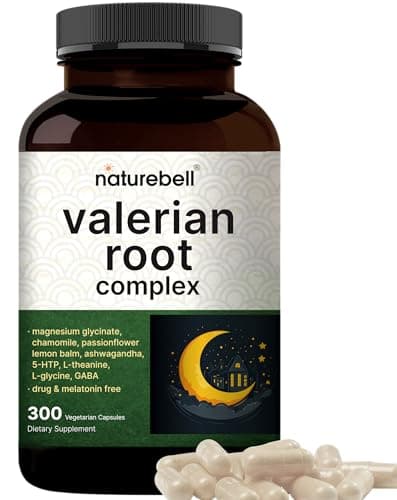
Best Magnesium Oxide by cost per doseCheapest Magnesium Glycinate
NEW
🍋 Lemon Balm
NatureBell Valerian Root for Sleep
Cost per serving
$0.03
300 servings · ~300-day supply
Well absorbed
$9.99Price from Amazon.com
NatureBell · Amazon.com 0
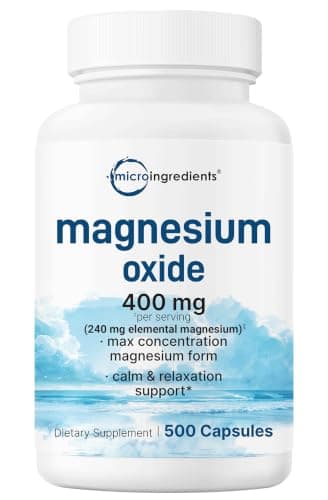
See the offer Cheapest Magnesium Oxide
NEW
🌙 Magnesium
Magnesium Oxide 400mg, 500 Capsules | Elemental Form for Max…
Cost per serving
$0.03
500 servings · ~500-day supply
Low absorption
$15.19Price from Amazon.com
Micro Ingredients · Amazon.com 0
See the offer Frequently asked
Is magnesium glycinate better than magnesium oxide?+
For daily supplementation, yes — glycinate is far better absorbed and does not cause the loose stools oxide often does. Oxide only makes sense if you specifically want a cheap laxative or the most elemental magnesium per pill.
Why is magnesium oxide so cheap?+
Oxide packs more elemental magnesium per milligram and is cheap to produce, but the body absorbs only a fraction of it — so the low sticker price does not translate into a low cost per absorbed dose.
Is Magnesium Glycinate or Magnesium Oxide cheaper per dose?+
The cheapest Magnesium Glycinate we track is $0.03 per serving; the cheapest Magnesium Oxide is $0.03 per serving — so Magnesium Oxide costs less per dose right now (October 2026).
Is Magnesium Glycinate or Magnesium Oxide higher in elemental magnesium?+
By weight, Magnesium Glycinate is about 14% elemental magnesium (~140 mg per 1,000 mg) and Magnesium Oxide is about 60% (~600 mg per 1,000 mg). A higher elemental percentage isn't automatically better value — absorption differs by form, so weigh the "magnesium" line in the Supplement Facts panel against price and absorption, not the front-label number.
Why do doctors prescribe magnesium oxide instead of magnesium glycinate?+
When magnesium oxide is recommended, it's usually because it's cheap, widely stocked, and carries a lot of elemental magnesium per pill, which suits short-term jobs like easing occasional constipation. It's poorly absorbed, but for the laxative use that's part of the point: the unabsorbed magnesium draws water into the gut. That same poor absorption makes it a weaker choice for steady daily topping-up, where many people prefer a gentler, better-absorbed form like glycinate. On a pure cost-per-dose basis, though, oxide is usually the lowest sticker price you'll see, so compare elemental magnesium rather than pill weight when you check our listings.
What is the downside of magnesium glycinate?+
The main trade-off is cost and pill burden: glycinate carries relatively little elemental magnesium per capsule, so you often need larger pills or higher counts to reach a meaningful dose, and it's one of the pricier forms per milligram of actual magnesium. It's well tolerated by most people, so the downside is mostly about value rather than safety. If budget matters, it's worth seeing how much extra you're paying over oxide or citrate per dose before you commit.
Who should avoid magnesium oxide?+
Anyone prone to loose stools, or who just wants steady daily maintenance, may find oxide rough on the gut, since so much passes through unabsorbed. People with kidney problems should be cautious with any magnesium supplement and check with a clinician first, because the body clears excess magnesium through the kidneys. If the laxative effect is the dealbreaker rather than the price, better-absorbed forms like glycinate or citrate are usually worth the small step up in cost-per-dose.
Magnesium glycinate vs oxide for constipation+
For constipation, magnesium oxide is generally the more effective and cheaper pick: its poor absorption means more magnesium stays in the gut and draws in water, which is the laxative action you're after. Glycinate is absorbed more readily, so it does comparatively little for regularity, and paying its premium for that purpose rarely makes sense. For occasional relief, oxide is usually the lowest cost-per-dose option, but check with a clinician before using any magnesium product regularly, especially if you have ongoing digestive or kidney issues.
How much Magnesium do you need per day?+
RDAs depend on age and sex. Adult men need 400-420 mg; adult women need 310-320 mg. Pregnancy is 350-400 mg and lactation 310-360 mg. Children range from 80 mg (1-3 years) to 240 mg (9-13 years); infants have AIs of 30-75 mg. — per the NIH Office of Dietary Supplements; general information, not medical advice.
Can you take too much Magnesium?+
Yes. The Tolerable Upper Intake Level for supplemental magnesium is 350 mg for adults. High supplement or medication doses can cause diarrhea, nausea, and abdominal cramping. Very high doses cause toxicity: hypotension, vomiting, difficulty breathing, irregular heartbeat, and cardiac arrest; fatal hypermagnesemia has occurred. — per the NIH Office of Dietary Supplements; general information, not medical advice.
Dosage & safety answers sourced from the NIH Office of Dietary Supplements. General information, not medical advice.
What the research says
Too much magnesium from food does not pose a health risk in healthy individuals because the kidneys eliminate excess amounts, but high doses from dietary supplements or medications often cause diarrhea, nausea, and abdominal cramping. The Tolerable Upper Intake Level (UL) for supplemental magnesium is 350 mg/day for adults — per the NIH Office of Dietary Supplements.
Groups more likely to be at risk of magnesium inadequacy include people with gastrointestinal diseases (such as Crohn's disease and celiac disease), people with type 2 diabetes, people with alcohol dependence, and older adults. Early signs and symptoms of deficiency include loss of appetite, nausea, vomiting, fatigue, and weakness; as it worsens, numbness, tingling, muscle contractions and cramps, seizures, personality changes, abnormal heart rhythms, and coronary spasms can occur, and severe deficiency can cause hypocalcemia or hypokalemia — per the NIH Office of Dietary Supplements.
Related
Best Magnesium Glycinate by cost per doseBest Magnesium Oxide by cost per doseMagnesium Glycinate dosage & factsMagnesium Oxide dosage & factsSupplement price-spread study
People also compare
References & sources
- Health Professional fact sheet — NIH Office of Dietary Supplements
- USP Verified product participants — U.S. Pharmacopeia
- NSF certified products — NSF
We link primary sources and paraphrase their findings — never copy their text, tables, or images. Cost-per-dose figures are our own first-party catalog data.