
🔶
Copper
mineral · 21 active deals
How much does Copper cost?
The best-value Copper right now is about $0.03 per dose — across the 19 we can price per dose the median is $0.097/dose, so shopping on cost-per-dose can cut your cost several-fold. Every Copper deal here is ranked by cost per dose — what you actually pay per serving, not the sticker price — because forms and absorption differ, so the cheapest bottle isn’t always the cheapest dose.
Prices checked · live from the Amazon US catalog.
Right now the best value across our full Copper catalog is at $0.03 per serving.
Median $0.097/servingCheapest quartile under $0.046across 19 tracked Copper deals
What Copper does
Copper is an essential mineral that serves as a cofactor for several enzymes (cuproenzymes) involved in energy production, iron metabolism, neuropeptide activation, connective tissue synthesis, and neurotransmitter synthesis, and it contributes to processes such as angiogenesis, brain development, pigmentation, immune system functioning, and defense against oxidative damage through copper-containing superoxide dismutases. The NIH Office of Dietary Supplements notes that copper might play a role in two conditions studied to date, cardiovascular disease and Alzheimer's disease, but observational studies on copper concentrations and cardiovascular disease have had mixed results, and the evidence to date is insufficient to support conclusions about copper's effect on these conditions. Based on studies in animals and humans, the effects of copper deficiency include anemia, hypopigmentation, hypercholesterolemia, connective tissue disorders, osteoporosis and other bone defects, abnormal lipid metabolism, ataxia, and increased risk of infection. — per the NIH Office of Dietary Supplements; not medical advice.
Forms & absorption
Copper dietary supplements come in several forms, including cupric oxide, cupric sulfate, copper amino acid chelates, and copper gluconate, and copper is also found in many multivitamin/mineral products. According to the NIH Office of Dietary Supplements, no studies have to date compared the bioavailability of copper from these and other forms. More generally, the sheet states that copper absorption is strongly influenced by the amount of copper in the diet, with bioavailability ranging from 75% of dietary copper when the diet contains only 400 mcg/day to 12% when the diet contains 7.5 mg/day.
Food sources of Copper
The richest dietary copper sources include shellfish, seeds and nuts, organ meats, wheat-bran cereals, whole-grain products, and chocolate. By serving, pan-fried beef liver and cooked eastern oysters are by far the highest, followed by unsweetened baking chocolate, potatoes, shiitake mushrooms, cashews, and crab; tap water and other beverages can also contribute, though the amount varies by source — per the NIH Office of Dietary Supplements.
Copper deficiency — who's at risk
Copper deficiency is uncommon in humans, but the groups most likely to have inadequate copper status include people with celiac disease (due to intestinal malabsorption), people with Menkes disease, and people taking high doses of zinc supplements, since zinc can interfere with copper absorption. Based on animal and human studies, the effects of copper deficiency include anemia, hypopigmentation, hypercholesterolemia, connective tissue disorders, osteoporosis and other bone defects, abnormal lipid metabolism, ataxia, and increased risk of infection — per the NIH Office of Dietary Supplements.


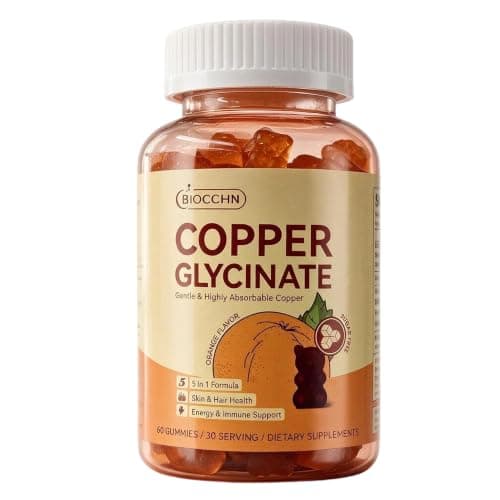
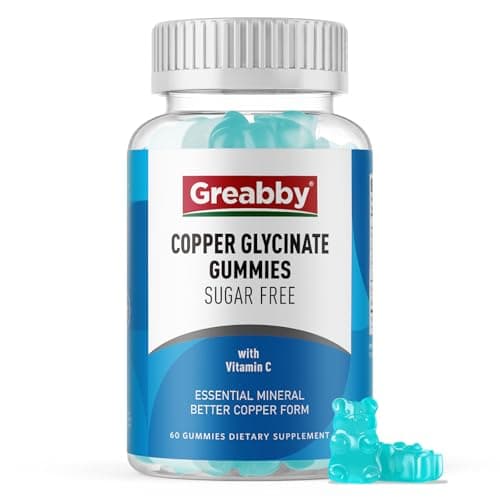
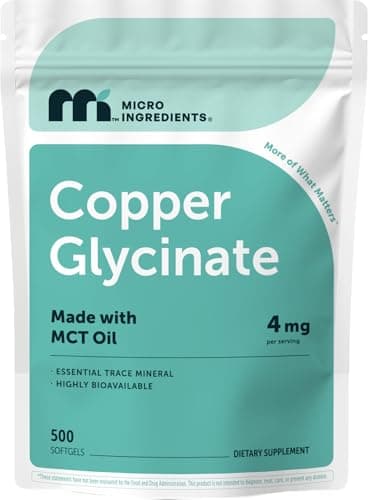
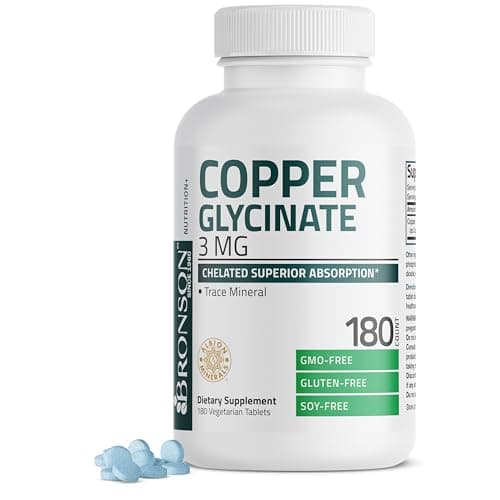
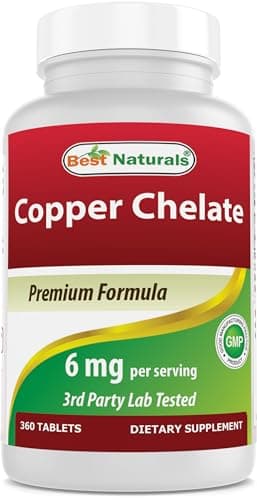
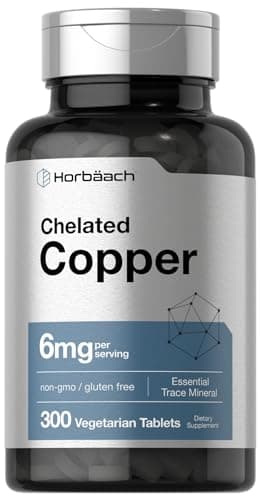
Best Naturals Copper Chelate 6 mg per Serving- 360 Tablets
Best NaturalsAmazon.com
$0.03/serving
$9.990°

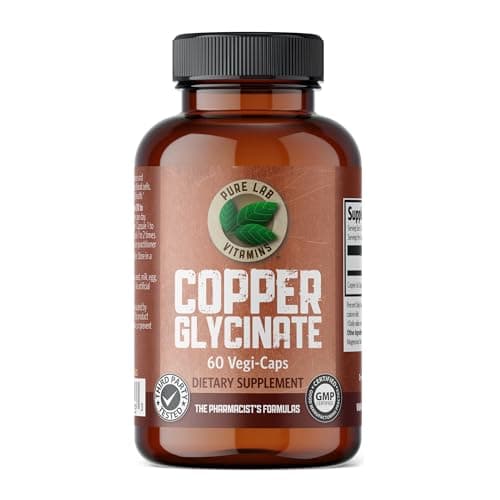
Pure Lab Vitamins Copper Glycinate 1 mg – 60 Vegi-Caps
Pure Lab VitaminsAmazon.com
$0.22/serving
$12.950°
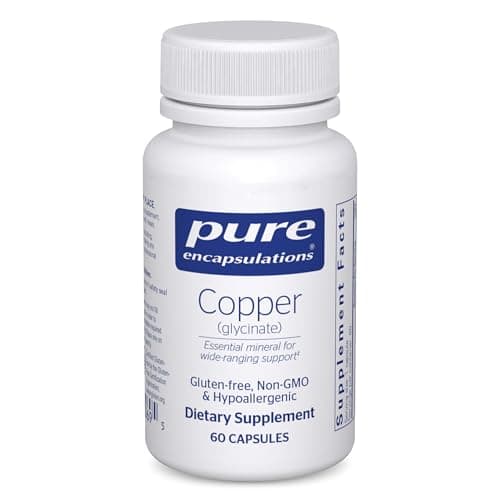
Pure Encapsulations Copper Glycinate 60's - 2 mg Copper…
Pure EncapsulationsAmazon.com
$0.22/serving
$13.000°
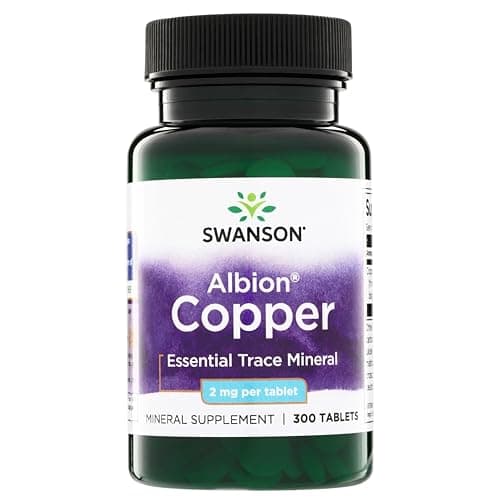
Every Copper deal above is ranked by real cost per dose with no paid placement — see our and .
Independent testing
Independent third-party testing is a voluntary check of a product's identity, potency and contaminants by an outside lab. It's a quality signal, not a value or efficacy claim. Confirm any brand's current status on the official registries:
Testing status is self-reported by the brand or drawn from public certification and may change — always verify on the official registry before purchase.
Copper — dosage, safety & deals FAQ
- How much Copper do you need per day?
The is 900 mcg for adults 19+ years (both men and women), 890 mcg for ages 14-18, 700 mcg for ages 9-13, 1,000 mcg in pregnancy, and 1,300 mcg during lactation. Infants have an Adequate Intake of 200 mcg (0-6 months) and 220 mcg (7-12 months). — per the NIH Office of Dietary Supplements; general information, not medical advice.
- Can you take too much Copper?
Yes. The is 10,000 mcg/day for adults 19+ (including pregnancy and lactation), based on levels associated with liver damage. Chronic exposure to high levels of copper can result in liver damage and gastrointestinal symptoms such as abdominal pain, cramps, nausea, diarrhea, and vomiting. — per the NIH Office of Dietary Supplements; general information, not medical advice.
- What are the signs of Copper deficiency?
Copper deficiency is uncommon in humans. Its effects include anemia, hypopigmentation, hypercholesterolemia, connective tissue disorders, osteoporosis and other bone defects, abnormal lipid metabolism, ataxia, and increased risk of infection. — per the NIH Office of Dietary Supplements; general information, not medical advice.
- Who is most likely to need more Copper?
Groups most likely to have inadequate copper status include people with celiac disease (intestinal malabsorption), people with Menkes disease (a rare X-linked disorder of copper homeostasis in which intestinal absorption of dietary copper drops sharply), and people taking high doses of zinc supplements, since high zinc intakes can interfere with copper absorption. — per the NIH Office of Dietary Supplements; general information, not medical advice.
Copper guides
Related minerals
References & sources
- Copper: Fact Sheet for Health Professionals — NIH Office of Dietary Supplements
- USP Verified product participants — U.S. Pharmacopeia
- NSF certified products — NSF
We link primary sources and paraphrase their findings — never copy their text, tables, or images. Cost-per-dose figures are our own first-party catalog data.