
Healthfare Vitamin B2 Riboflavin 400 mg | Pack of 2 | 180 Veg…
HealthfareAmazon.com
$0.06/serving
$19.990°
vitamin · 70 active deals
The best-value Vitamin B2 (Riboflavin) right now is about $0.05 per dose — across the 47 we can price per dose the median is $0.116/dose, so shopping on cost-per-dose can cut your cost several-fold. Every Vitamin B2 (Riboflavin) deal here is ranked by cost per dose — what you actually pay per serving, not the sticker price — because forms and absorption differ, so the cheapest bottle isn’t always the cheapest dose.
Prices checked · live from the Amazon US catalog.
Right now the best value across our full Vitamin B2 (Riboflavin) catalog is at $0.05 per serving.
Riboflavin (vitamin B2) is a water-soluble B vitamin that is an essential component of two major coenzymes, flavin mononucleotide (FMN) and flavin adenine dinucleotide (FAD), which play major roles in energy production; cellular function, growth, and development; and metabolism of fats, drugs, and steroids; FAD is required to convert tryptophan to niacin, FMN is needed to convert vitamin B6 to its coenzyme, and riboflavin helps maintain normal levels of homocysteine. Because riboflavin is required for mitochondrial function, researchers are studying its potential use to prevent or treat migraine headaches; some, but not all, small studies have found a beneficial effect, and the American Academy of Neurology/American Headache Society concluded it is probably effective for preventing migraine headaches, though the Canadian Headache Society notes the supporting evidence is of low quality. Experts have also theorized riboflavin might help prevent DNA damage caused by carcinogens, but data on riboflavin and cancer prevention or treatment are limited and study findings are mixed, and the NIH states future studies including clinical trials are needed to clarify these relationships. Riboflavin is not known to have any clinically relevant interactions with medications. — per the NIH Office of Dietary Supplements; not medical advice.
Riboflavin is available in many dietary supplements, including multivitamin/mineral supplements (which commonly provide 1.3 mg, 100% of the Daily Value), riboflavin-only supplements, and B-complex vitamins that include riboflavin. In most supplements riboflavin is in the free form, but some supplements contain riboflavin 5'-phosphate. About 95% of riboflavin as FAD or FMN from food is bioavailable up to a maximum of about 27 mg per meal or dose, and the bioavailability of free riboflavin is similar to that of FAD and FMN.
Foods that are particularly rich in riboflavin include eggs, organ meats (kidneys and liver), lean meats, and milk; some vegetables also contain riboflavin, and grains and cereals are fortified with riboflavin in the United States and many other countries. The largest dietary contributors of total riboflavin intake in U.S. men and women are milk and milk drinks, bread and bread products, mixed foods whose main ingredient is meat, ready-to-eat cereals, and mixed foods whose main ingredient is grain. (Among selected foods, pan-fried beef liver is especially high, at 2.9 mg per 3-ounce serving.) — per the NIH Office of Dietary Supplements.
Healthfare Vitamin B2 Riboflavin 400 mg | Pack of 2 | 180 Veg…


EcoIntegratives B2-400 Pure Riboflavin 400mg Supplement


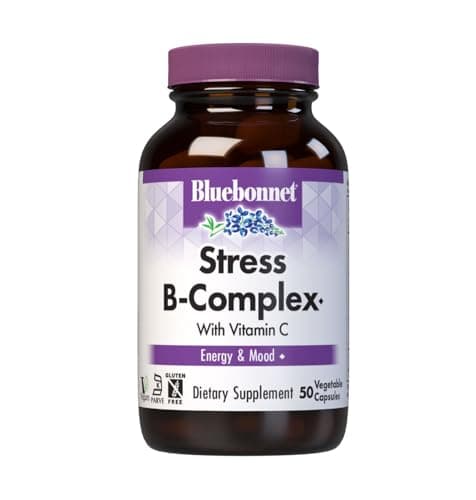
BlueBonnet Stress Vitamin B Complex for Women & Men - Daily…
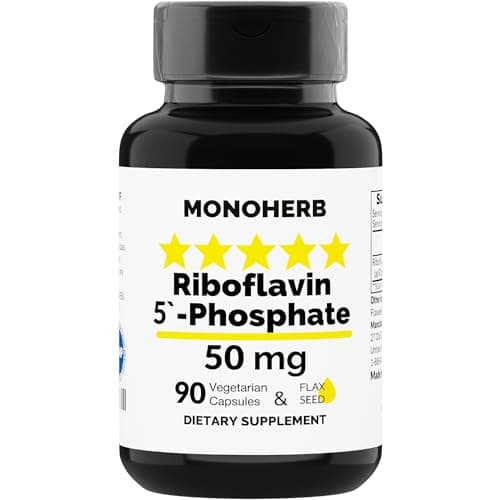
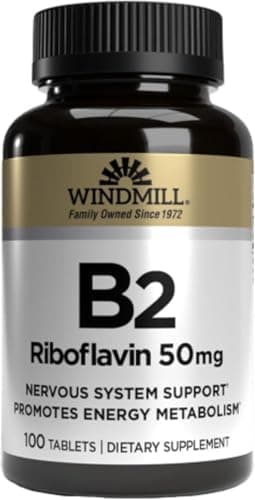
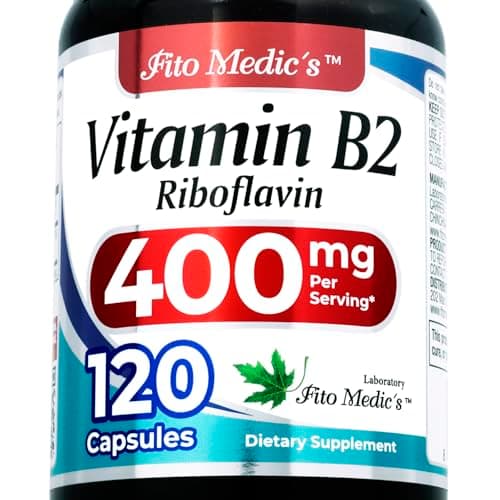
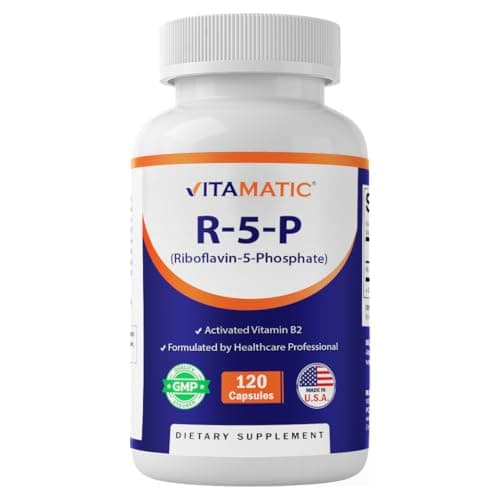
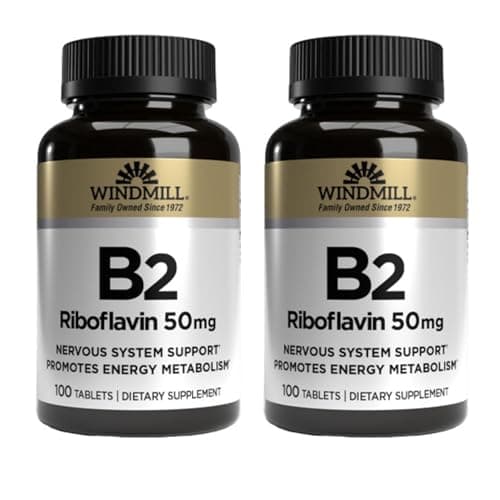
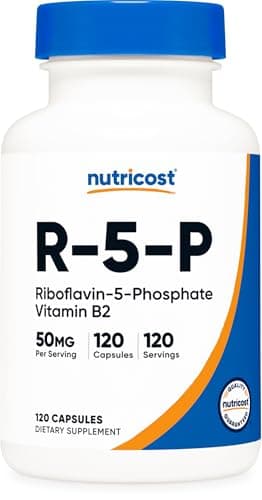
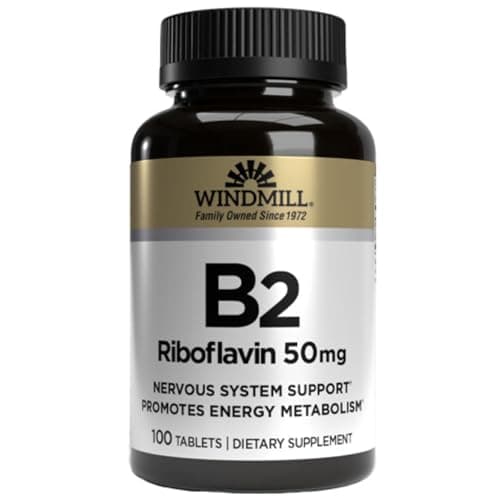
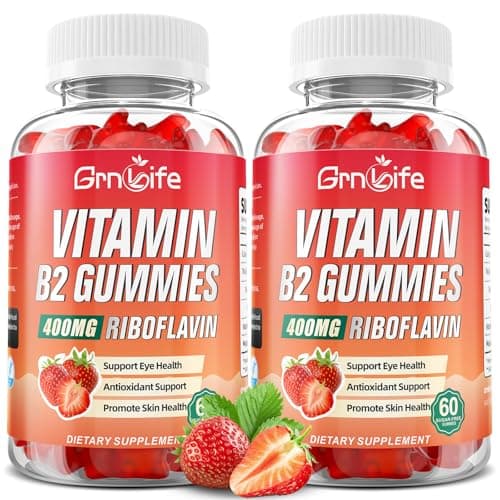
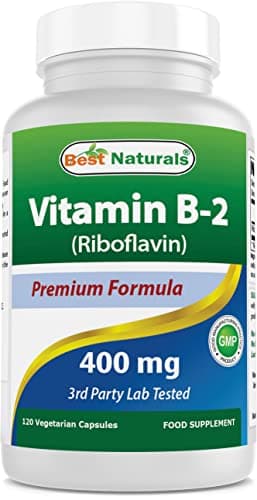
Best Naturals Vitamin B2 (Riboflavin) 400mg - Migraine Relief…
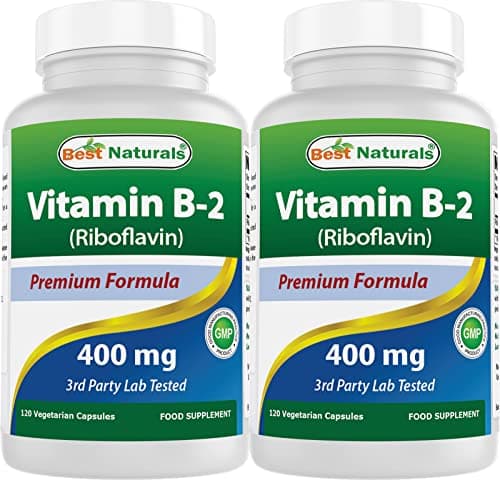
Best Naturals Vitamin B2 (Riboflavin) 400mg - Migraine Relief…
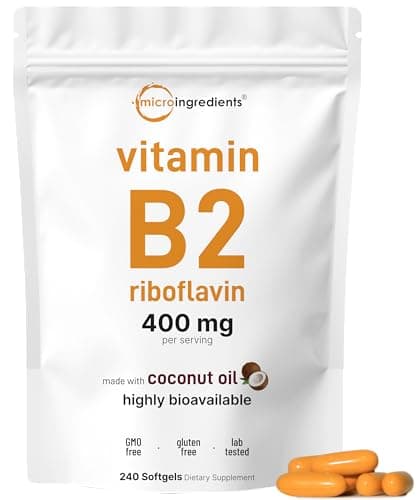
Vitamin B2, Riboflavin 400mg | 240 Softgels with Coconut Oil…
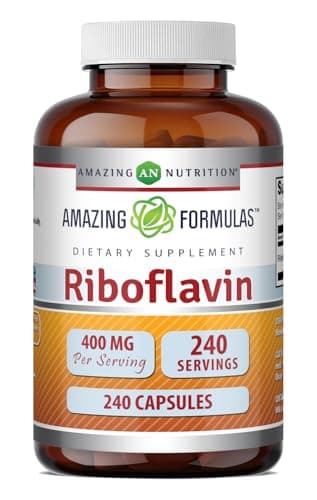
Amazing Formulas Riboflavin 400 mg Capsules | Vitamin B2…
Every Vitamin B2 (Riboflavin) deal above is ranked by real cost per dose with no paid placement — see our and .
Independent third-party testing is a voluntary check of a product's identity, potency and contaminants by an outside lab. It's a quality signal, not a value or efficacy claim. Confirm any brand's current status on the official registries:
Testing status is self-reported by the brand or drawn from public certification and may change — always verify on the official registry before purchase.
The is 1.3 mg/day for adult men and 1.1 mg/day for adult women (19+ years). Pregnancy is 1.4 mg and lactation 1.6 mg. Children range 0.5–0.9 mg; teens 1.0–1.3 mg. Infants have an AI of 0.3 mg (0–6 months) and 0.4 mg (7–12 months). — per the NIH Office of Dietary Supplements; general information, not medical advice.
Riboflavin from food many times the shows no observable toxicity, possibly because its solubility and capacity to be absorbed in the gastrointestinal tract are limited. Because adverse effects from high intakes from foods or supplements (400 mg/day for at least 3 months) have not been reported, the FNB did not establish a . Still, the FNB urges people to be cautious about consuming excessive amounts. — per the NIH Office of Dietary Supplements; general information, not medical advice.
Signs of deficiency (ariboflavinosis) include skin disorders, hyperemia (excess blood) and edema of the mouth and throat, angular stomatitis (lesions at the corners of the mouth), cheilosis (swollen, cracked lips), hair loss, reproductive problems, sore throat, itchy and red eyes, and degeneration of the liver and nervous system. Anemia and cataracts can develop if deficiency is severe and prolonged. — per the NIH Office of Dietary Supplements; general information, not medical advice.
Groups most likely to have inadequate riboflavin status are vegetarian athletes; pregnant and lactating women who rarely eat meat or dairy products, and their infants; vegans and people who consume little milk; and people with riboflavin transporter deficiency, a rare neurological disorder for which high-dose riboflavin supplementation can be a life-saving treatment. — per the NIH Office of Dietary Supplements; general information, not medical advice.
We link primary sources and paraphrase their findings — never copy their text, tables, or images. Cost-per-dose figures are our own first-party catalog data.
Groups most likely to have inadequate riboflavin status include vegetarian athletes; pregnant and lactating women (and their infants) who rarely consume meats or dairy; people who are vegan and/or consume little milk; and people with riboflavin transporter deficiency. The signs and symptoms of riboflavin deficiency (ariboflavinosis) include skin disorders, hyperemia and edema of the mouth and throat, angular stomatitis, cheilosis (swollen, cracked lips), hair loss, reproductive problems, sore throat, itchy and red eyes, and degeneration of the liver and nervous system; if severe and prolonged, anemia and cataracts can develop. — per the NIH Office of Dietary Supplements.
Intakes of riboflavin from food that are many times the RDA have no observable toxicity, possibly because riboflavin's solubility and capacity to be absorbed in the gastrointestinal tract are limited. Because adverse effects from high riboflavin intakes from foods or supplements (400 mg/day for at least 3 months) have not been reported, the FNB did not establish a Tolerable Upper Intake Level (UL) for riboflavin; however, the FNB urges people to be cautious about consuming excessive amounts. — per the NIH Office of Dietary Supplements.
Riboflavin is not known to have any clinically relevant interactions with medications. — per the NIH Office of Dietary Supplements; general information, not medical advice.
The cheapest vitamin b2 (riboflavin) we track works out to $0.05 , against a typical $0.12 across the 47 we can price per dose — about $1.50 a month at the cheapest. That is real from live Amazon US prices, not the sticker price. The full ranking is on the Best Vitamin B2 (Riboflavin) page.
Piping Rock Vitamin B2 100mg | 180 | Riboflavin | Vegetarian at $0.05 — the lowest cost-per-dose vitamin b2 (riboflavin) in our catalog. See the full ranking on the Best Vitamin B2 (Riboflavin) page.
We're tracking 70 active Vitamin B2 (Riboflavin) deals across Amazon US and partner retailers, ranked by community votes and cost-per-dose — not paid placement.
Across the 47 Vitamin B2 (Riboflavin) deals we can price per dose (combination products are left out — their single label dose belongs to whichever ingredient the product is built around) the median cost-per-dose is $0.116; the cheapest quartile comes in under $0.083 . Anything below the median is a solid deal for the same molecule.
Deals are submitted by the community and ranked by net votes (hot minus cold) plus cost-per-dose normalised across container sizes. We take no affiliate kickbacks for ordering; sponsored slots, when present, are clearly badged.
Intakes of riboflavin from food that are many times the have no observable toxicity, possibly because riboflavin's solubility and capacity to be absorbed in the gastrointestinal tract are limited. Because adverse effects from high riboflavin intakes from foods or supplements (400 mg/day for at least 3 months) have not been reported, the FNB did not establish a (UL) for riboflavin; however, the FNB urges people to be cautious about consuming excessive amounts. — per the NIH Office of Dietary Supplements.
Groups most likely to have inadequate riboflavin status include vegetarian athletes; pregnant and lactating women (and their infants) who rarely consume meats or dairy; people who are vegan and/or consume little milk; and people with riboflavin transporter deficiency. The signs and symptoms of riboflavin deficiency (ariboflavinosis) include skin disorders, hyperemia and edema of the mouth and throat, angular stomatitis, cheilosis (swollen, cracked lips), hair loss, reproductive problems, sore throat, itchy and red eyes, and degeneration of the liver and nervous system; if severe and prolonged, anemia and cataracts can develop. — per the NIH Office of Dietary Supplements.
Foods that are particularly rich in riboflavin include eggs, organ meats (kidneys and liver), lean meats, and milk; some vegetables also contain riboflavin, and grains and cereals are fortified with riboflavin in the United States and many other countries. The largest dietary contributors of total riboflavin intake in U.S. men and women are milk and milk drinks, bread and bread products, mixed foods whose main ingredient is meat, ready-to-eat cereals, and mixed foods whose main ingredient is grain. (Among selected foods, pan-fried beef liver is especially high, at 2.9 mg per 3-ounce .) — per the NIH Office of Dietary Supplements.
Dosage, upper-limit, deficiency, food-source and interaction facts are sourced from the NIH Office of Dietary Supplements Vitamin B2 (Riboflavin) fact sheet. General information, not medical advice.