
ARG Pantethine Vitamin B5 Metabolite 660 mg, 60 Capsules
Allergy Research GroupAmazon.com
$0.71/serving
$42.490°
vitamin · 43 active deals
The best-value Vitamin B5 (Pantothenic Acid) right now is about $0.05 per dose — across the 31 we can price per dose the median is $0.140/dose, so shopping on cost-per-dose can cut your cost several-fold. Every Vitamin B5 (Pantothenic Acid) deal here is ranked by cost per dose — what you actually pay per serving, not the sticker price — because forms and absorption differ, so the cheapest bottle isn’t always the cheapest dose.
Prices checked · live from the Amazon US catalog.
Right now the best value across our full Vitamin B5 (Pantothenic Acid) catalog is at $0.05 per serving.
Pantothenic acid (vitamin B5) is an essential water-soluble B vitamin whose main function, according to the NIH Office of Dietary Supplements, is in the synthesis of coenzyme A (CoA) and acyl carrier protein; CoA is essential for fatty acid synthesis and degradation, the transfer of acetyl and acyl groups, and many other anabolic and catabolic processes, while acyl carrier protein's main role is in fatty acid synthesis. Because of pantothenic acid's role in triglyceride synthesis and lipoprotein metabolism, experts have hypothesized that supplementation might reduce lipid levels in people with hyperlipidemia; the NIH notes that several clinical trials have shown the related form pantethine reduces lipid levels when taken in large amounts, but pantothenic acid itself does not appear to have the same effects. It has also been examined in the context of pantothenate kinase-associated neurodegeneration (PKAN), though the NIH states that whether pantothenate supplementation is beneficial in PKAN is not known. The NIH adds that because some pantothenic acid is present in almost all foods, deficiency is rare except in people with severe malnutrition — per the NIH Office of Dietary Supplements; not medical advice.
The NIH Office of Dietary Supplements states that pantothenic acid is available in dietary supplements containing only pantothenic acid, in combination with other B-complex vitamins, and in some multivitamin/multimineral products. Some supplements contain pantethine (a dimeric form of pantetheine) or, more commonly, calcium pantothenate. The NIH notes that no studies have compared the relative bioavailability of pantothenic acid from these different forms.
Almost all plant- and animal-based foods contain pantothenic acid in varying amounts; some of the richest dietary sources are beef, chicken, organ meats, whole grains, and some vegetables. It is also added to various foods, including some breakfast cereals and beverages such as energy drinks. The food highest in pantothenic acid listed is beef liver (8.3 mg per 3 ounces), followed by fortified breakfast cereals, shiitake mushrooms, and sunflower seeds — per the NIH Office of Dietary Supplements.
Because some pantothenic acid is present in almost all foods, deficiency is rare except in people with severe malnutrition; the only individuals known to have developed it were fed diets containing virtually no pantothenic acid or were taking a pantothenic acid metabolic antagonist. The one group noted as most likely to have inadequate status is people with a pantothenate kinase 2 (PANK2) gene mutation causing the rare inherited disorder PKAN. Deficiency is associated with numbness and burning of the hands and feet, headache, fatigue, irritability, restlessness, disturbed sleep, and gastrointestinal disturbances with anorexia — per the NIH Office of Dietary Supplements.
ARG Pantethine Vitamin B5 Metabolite 660 mg, 60 Capsules


Pantethine 600mg - SuperSmart | Pantesin Pantothenic Acid…
BlueBonnet Stress Vitamin B Complex for Women & Men - Daily…

BlueBonnet Nutrition Pantothenic Acid 250 mg Daily Vitamin B5…
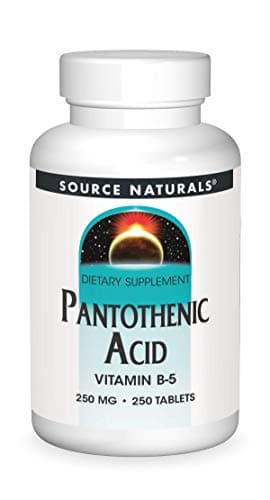
Source Naturals Pantothenic Acid 250 mg Vitamin B-5 Dietary…
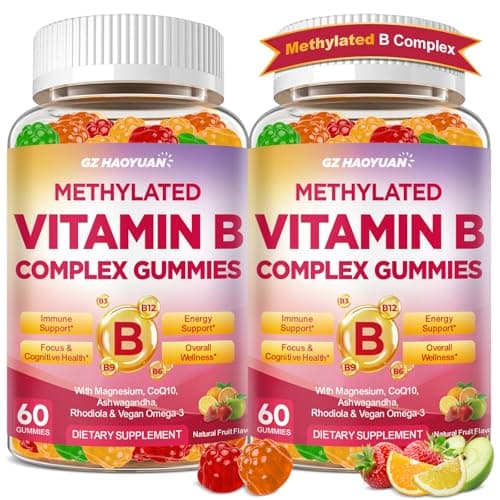
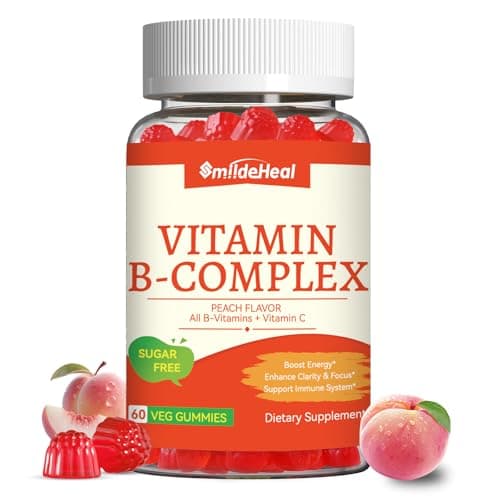
Vitamin B Complex Gummies for Women & Men - Vitamin B12, B1…
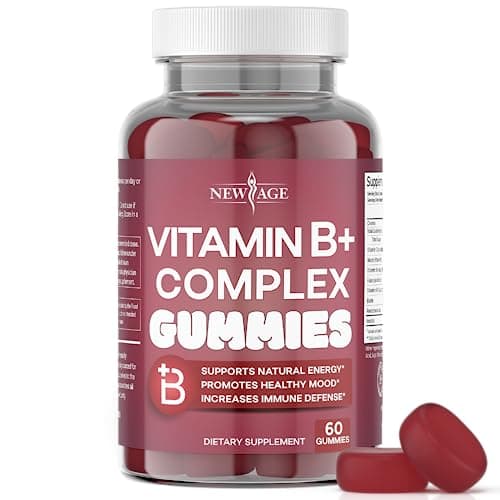
NEW AGE Vitamin B Complex Gummies with Vitamin B3, B5, B6, B7…
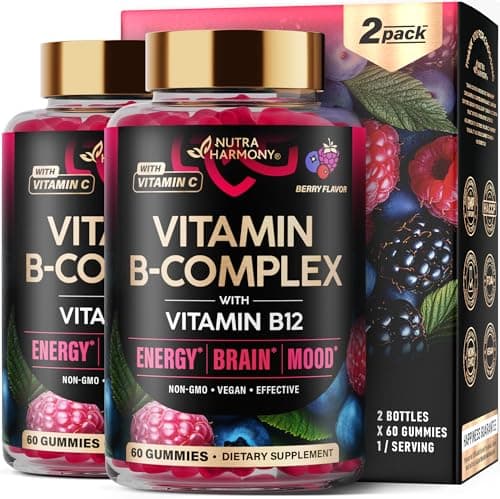
Vitamin B-Complex Gummies for Women & Men - Vitamin B12, B1…
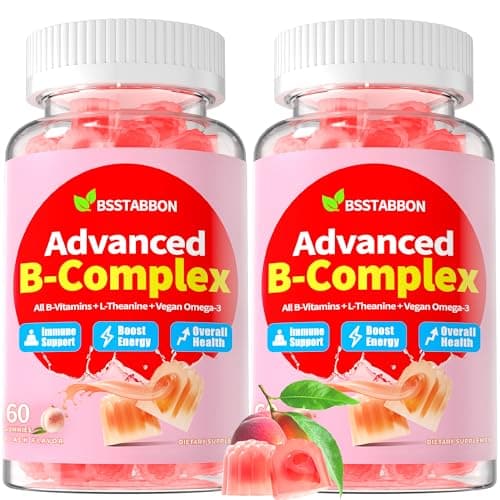
Methylated Vitamin B Complex Gummies: 22-in-1 for Daily Energy…
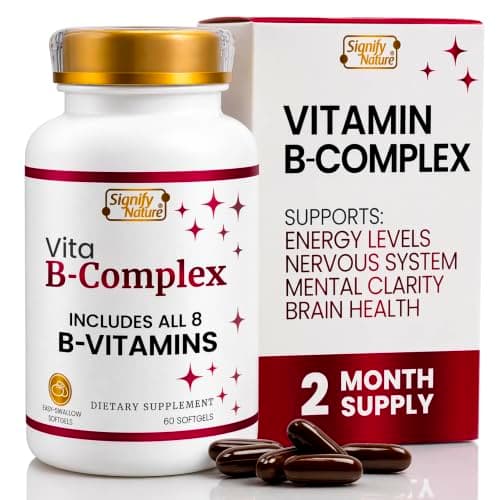

Vitamin B Complex Capsules + Whole Food Blend of 25 Vegetables…

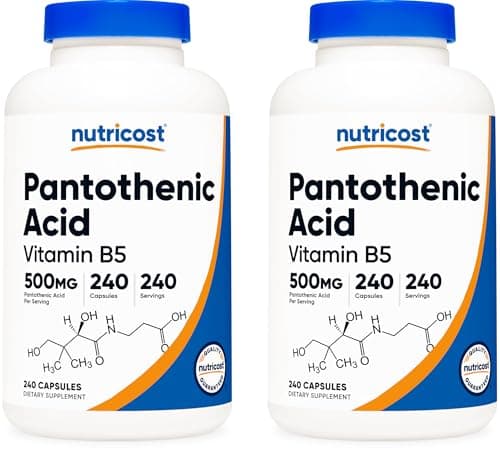
Douglas Laboratories Pantothenic Acid 500 mg | Vitamin B5…
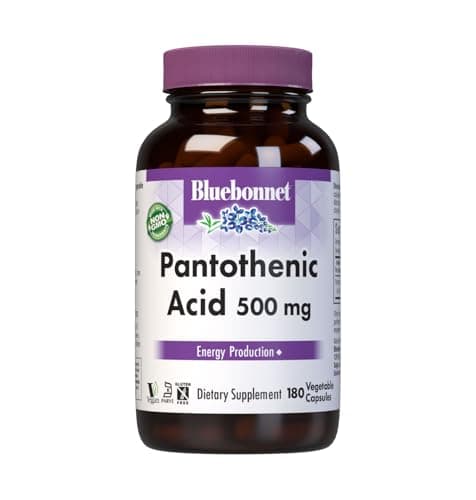
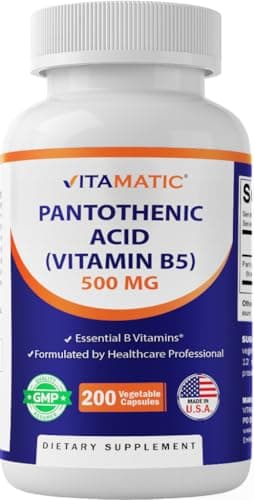
Vitamatic Pantothenic Acid (Vitamin B5) 500 mg- 200 Capsules
Every Vitamin B5 (Pantothenic Acid) deal above is ranked by real cost per dose with no paid placement — see our and .
Independent third-party testing is a voluntary check of a product's identity, potency and contaminants by an outside lab. It's a quality signal, not a value or efficacy claim. Confirm any brand's current status on the official registries:
Testing status is self-reported by the brand or drawn from public certification and may change — always verify on the official registry before purchase.
No exists; the Food and Nutrition Board found the data insufficient to derive an EAR, so it set Adequate Intakes (AIs). The AI is 1.7 mg (birth-6 months), 1.8 mg (7-12 months), 2 mg (1-3 years), 3 mg (4-8 years), 4 mg (9-13 years), and 5 mg for ages 14+ (both sexes). Pregnancy is 6 mg; lactation 7 mg. — per the NIH Office of Dietary Supplements; general information, not medical advice.
The Food and Nutrition Board was unable to establish a because there are no reports of pantothenic acid toxicity in humans at high intakes. Some people taking large doses (e.g., 10 g/day) develop mild diarrhea and gastrointestinal distress, but the mechanism for this effect is not known. — per the NIH Office of Dietary Supplements; general information, not medical advice.
Deficiency is rare except in people with severe malnutrition. It is associated with numbness and burning of the hands and feet, headache, fatigue, irritability, restlessness, disturbed sleep, and gastrointestinal disturbances with anorexia. Deficiency is usually accompanied by deficiencies in other nutrients, making the effects specific to pantothenic acid difficult to identify. — per the NIH Office of Dietary Supplements; general information, not medical advice.
People with a mutation in the pantothenate kinase 2 (PANK2) gene are the group most likely to have inadequate pantothenic acid status. Many PANK2 mutations reduce the activity of pantothenate kinase 2, potentially decreasing conversion of pantothenic acid to
We link primary sources and paraphrase their findings — never copy their text, tables, or images. Cost-per-dose figures are our own first-party catalog data.
The Food and Nutrition Board was unable to establish a Tolerable Upper Intake Level (UL) for pantothenic acid because there are no reports of pantothenic acid toxicity in humans at high intakes. Some individuals taking large doses (e.g., 10 g/day) develop mild diarrhea and gastrointestinal distress, but the mechanism for this effect is not known — per the NIH Office of Dietary Supplements.
Pantothenic acid is not known to have any clinically relevant interactions with medications. — per the NIH Office of Dietary Supplements; general information, not medical advice.
The cheapest vitamin b5 (pantothenic acid) we track works out to $0.05 , against a typical $0.14 across the 31 we can price per dose — about $1.50 a month at the cheapest. That is real from live Amazon US prices, not the sticker price. The full ranking is on the Best Vitamin B5 (Pantothenic Acid) page.
Vitamatic Pantothenic Acid Pure Powder 500 mg - 100 Grams - Also… at $0.05 per serving — the lowest cost-per-dose vitamin b5 (pantothenic acid) in our catalog. See the full ranking on the Best Vitamin B5 (Pantothenic Acid) page.
We're tracking 43 active Vitamin B5 (Pantothenic Acid) deals across Amazon US and partner retailers, ranked by community votes and cost-per-dose — not paid placement.
Across the 31 Vitamin B5 (Pantothenic Acid) deals we can price per dose (combination products are left out — their single label dose belongs to whichever ingredient the product is built around) the median cost-per-dose is $0.140; the cheapest quartile comes in under $0.092 . Anything below the median is a solid deal for the same molecule.
Deals are submitted by the community and ranked by net votes (hot minus cold) plus cost-per-dose normalised across container sizes. We take no affiliate kickbacks for ordering; sponsored slots, when present, are clearly badged.
The Food and Nutrition Board was unable to establish a (UL) for pantothenic acid because there are no reports of pantothenic acid toxicity in humans at high intakes. Some individuals taking large doses (e.g., 10 g/day) develop mild diarrhea and gastrointestinal distress, but the mechanism for this effect is not known — per the NIH Office of Dietary Supplements.
Because some pantothenic acid is present in almost all foods, deficiency is rare except in people with severe malnutrition; the only individuals known to have developed it were fed diets containing virtually no pantothenic acid or were taking a pantothenic acid metabolic antagonist. The one group noted as most likely to have inadequate status is people with a pantothenate kinase 2 (PANK2) gene mutation causing the rare inherited disorder PKAN. Deficiency is associated with numbness and burning of the hands and feet, headache, fatigue, irritability, restlessness, disturbed sleep, and gastrointestinal disturbances with anorexia — per the NIH Office of Dietary Supplements.
Almost all plant- and animal-based foods contain pantothenic acid in varying amounts; some of the richest dietary sources are beef, chicken, organ meats, whole grains, and some vegetables. It is also added to various foods, including some breakfast cereals and beverages such as energy drinks. The food highest in pantothenic acid listed is beef liver (8.3 mg per 3 ounces), followed by fortified breakfast cereals, shiitake mushrooms, and sunflower seeds — per the NIH Office of Dietary Supplements.
Dosage, upper-limit, deficiency, food-source and interaction facts are sourced from the NIH Office of Dietary Supplements Vitamin B5 (Pantothenic Acid) fact sheet. General information, not medical advice.