
🌰
Vitamin E
vitamin · 63 active deals
How much does Vitamin E cost?
The best-value Vitamin E right now is about $0.06 per dose — across the 47 we can price per dose the median is $0.134/dose, so shopping on cost-per-dose can cut your cost several-fold. Every Vitamin E deal here is ranked by cost per dose — what you actually pay per serving, not the sticker price — because forms and absorption differ, so the cheapest bottle isn’t always the cheapest dose.
Prices checked · live from the Amazon US catalog.
Right now the best value across our full Vitamin E catalog is at $0.06 per serving.
Median $0.134/servingCheapest quartile under $0.082across 47 tracked Vitamin E deals
Recommended daily intake
Daily Value ≈22 IU (15 mg)Upper limit ≈1,100 IU (1,000 mg)
IU↔mg varies by natural vs synthetic form; values are approximate. General FDA/NIH adult guidance — not medical advice.
What Vitamin E does
Vitamin E is the collective name for a group of fat-soluble compounds that act as antioxidants, helping protect cells from the damaging effects of free radicals (reactive oxygen species), and it is also involved in immune function, cell signaling, regulation of gene expression, and other metabolic processes. Because free radicals are thought to contribute to chronic diseases, scientists have investigated whether vitamin E might help prevent or delay conditions associated with them, including coronary heart disease, cancer, eye disorders, and cognitive decline. While some observational studies have linked higher vitamin E intakes with lower rates of heart disease, randomized clinical trials have generally not shown that vitamin E supplements prevent cardiovascular disease or cancer, and the NIH notes that evidence is insufficient to support taking vitamin E to prevent cancer (with large doses possibly increasing prostate cancer risk); for eye disorders, a vitamin E-containing combination formulation reduced progression of advanced age-related macular degeneration in high-risk people in the AREDS trials. A primary barrier to characterizing vitamin E's roles in health is the lack of validated biomarkers linking intake and status to clinical outcomes — per the NIH Office of Dietary Supplements; not medical advice.
Forms & absorption
Vitamin E supplements typically provide only alpha-tocopherol, though mixed products containing other tocopherols and even tocotrienols are available. A given amount of synthetic alpha-tocopherol (all rac-alpha-tocopherol, labeled DL or dl) is only about half as biologically active by weight as the same amount of the natural form (RRR-alpha-tocopherol, labeled D or d), because tissues maintain only four of the synthetic form's eight stereoisomers. Alpha-tocopherol is often esterified (as alpha-tocopheryl acetate or succinate) to extend shelf life, and the body hydrolyzes and absorbs these esters as efficiently as alpha-tocopherol.
Food sources of Vitamin E
Numerous foods provide vitamin E, with nuts, seeds, and vegetable oils among the best sources of alpha-tocopherol, and significant amounts available in green leafy vegetables and fortified cereals. Among the richest in the fact sheet's table are wheat germ oil (20.3 mg per tablespoon), dry roasted sunflower seeds (7.4 mg per ounce), and dry roasted almonds (6.8 mg per ounce), followed by sunflower, safflower, and corn oils, hazelnuts, peanuts, spinach, and broccoli. Most vitamin E in American diets is in the form of gamma-tocopherol from soybean, canola, corn, and other vegetable oils and food products — per the NIH Office of Dietary Supplements.
When and how to take Vitamin E
Vitamin E is fat-soluble — take it with a meal containing fat for proper absorption.
Can you take Vitamin E with other supplements?
At high doses vitamin E can add to the effect of blood thinners, raising bleeding risk. Keep to label amounts and flag it if you take an anticoagulant.
General guidance on timing and absorption, not medical advice. Check with a clinician about your medications and conditions.

Sundance Vitamin E 180mg (400 IU) | 100 Quick Release Softgels
SundanceAmazon.com
$0.08/serving
$7.990°


Horbäach Vitamin E Supplement | 400 IU (268mg) | 300 Softgel…
HorbäachAmazon.com
$0.08/serving
$25.470°

Aurivita Cayenne Pepper Capsules 180 Softgels - Cayenne Pepper…
Aurivita CapsaicinAmazon.com
$0.16/serving
$28.250°


Black Seed Oil - 60 Softgel Capsules (Non-GMO & Vegan) Premium…
Healths HarmonyAmazon.com
$0.57/serving
$16.950°

Black Seed Oil - 180 Softgel Capsules (Non-GMO & Vegan)…
Healths HarmonyAmazon.com
$0.33/serving
$29.950°

Country Life Vitamin E Complex 400 IU with Mixed Tocopherols
Country LifeAmazon.com
$0.36/serving
$32.230°


NatureWise Extra-Strength Omega 3 Fish Oil Supplement - 1000mg…
NatureWiseAmazon.com
$0.11/serving
$18.990°


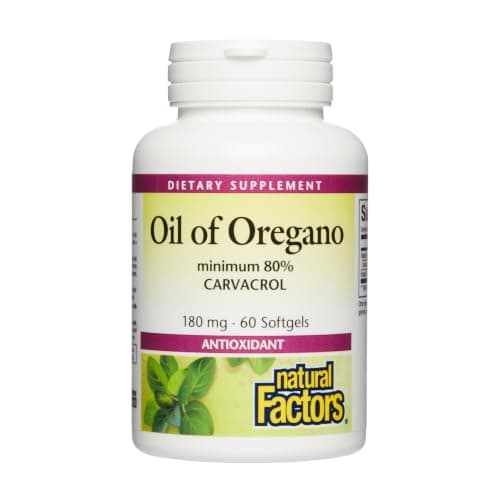
Natural Factors Oil of Oregano - Supports Healthy Immune…
Natural FactorsAmazon.com
$0.29/serving
$17.470°
Every Vitamin E deal above is ranked by real cost per dose with no paid placement — see our and .
Independent testing
2 of 16 tracked Vitamin E brands here are flagged as carrying independent third-party testing — a voluntary check of a product's identity, potency and contaminants by an outside lab. It's a quality signal, not a value or efficacy claim. Confirm any brand's current status on the official registries:
Testing status is self-reported by the brand or drawn from public certification and may change — always verify on the official registry before purchase.
Vitamin E — dosage, safety & deals FAQ
- How much Vitamin E do you need per day?
The (as alpha-tocopherol) is 15 mg for everyone 14 years and older, including during pregnancy; 19 mg during lactation. Children: 6 mg (1-3 yrs), 7 mg (4-8 yrs), 11 mg (9-13 yrs). Infants have an Adequate Intake of 4 mg (0-6 months) and 5 mg (7-12 months). — per the NIH Office of Dietary Supplements; general information, not medical advice.
- Can you take too much Vitamin E?
Yes. The adult is 1,000 mg/day (1,500 natural or 1,100 IU synthetic form). Research has not found any adverse effects from consuming vitamin E in food, but high doses of alpha-tocopherol supplements can cause hemorrhage and interrupt blood coagulation in animals, and two clinical trials found an increased risk of hemorrhagic stroke in participants taking alpha-tocopherol. — per the NIH Office of Dietary Supplements; general information, not medical advice.
- What are the signs of Vitamin E deficiency?
Frank deficiency is rare. In people with fat-malabsorption disorders, symptoms include peripheral neuropathy, ataxia, skeletal myopathy, retinopathy, and impairment of the immune response. Severe deficiency (as in abetalipoproteinemia or AVED) can cause poor transmission of nerve impulses, muscle weakness, retinal degeneration that leads to blindness, and loss of the ability to walk. — per the NIH Office of Dietary Supplements; general information, not medical advice.
- Who is most likely to need more Vitamin E?
People with fat-malabsorption disorders (such as Crohn's disease, cystic fibrosis, or an inability to secrete bile) are more likely to become deficient. Those with abetalipoproteinemia may require approximately 100 mg/kg or 5-10 g/day. People with ataxia and vitamin E deficiency (AVED) need large supplemental doses. Premature, very-low-birth-weight babies (<1,500 g) might be deficient. — per the NIH Office of Dietary Supplements; general information, not medical advice.
Vitamin E guides
Related vitamins
References & sources
- Vitamin E: Fact Sheet for Health Professionals — NIH Office of Dietary Supplements
- USP Verified product participants — U.S. Pharmacopeia
- NSF certified products — NSF
We link primary sources and paraphrase their findings — never copy their text, tables, or images. Cost-per-dose figures are our own first-party catalog data.