Magnesium Glycinate vs Magnesium Taurate
Magnesium Glycinate and Magnesium Taurate compared on absorption, gut tolerance, and real cost per dose — the cheapest of each pulled live from the Amazon US catalog.
Updated October 2026
Side by side
| Attribute | Glycinate | Taurate |
|---|---|---|
| Absorption | High | High |
| GI tolerance | Gentle | Gentle |
| Paired with | Glycine (calming) | Taurine (cardiovascular interest) |
| Most chosen for | Sleep & calm | Heart & blood pressure |
| Active deals tracked | 41 | 14 |
| Cheapest cost per dose | $0.03 (per serving) | $0.07 (per 1500 mg) |
Both are amino-acid chelates that absorb well and are far gentler on the gut than oxide or citrate. Glycinate is paired with glycine (mildly calming); taurate is paired with taurine, which some research links to cardiovascular function — but well-designed human trials of magnesium taurate are scarce.
Which to avoid / caveats
- Compare cost per elemental / active content, not the compound milligrams printed on the label — a bigger number on the front can hide less of what you actually absorb.
- The cheapest sticker price isn’t always the best value: our “cheapest per dose” figures normalise price across bottle sizes, so a larger count only wins if it truly costs less per serving.
Elemental magnesium: Magnesium Glycinate vs Magnesium Taurate
By weight, Magnesium Glycinate is about 14% elemental magnesium (~140 mg per 1,000 mg), while Magnesium Taurate is about 9% (~90 mg per 1,000 mg). A higher elemental percentage isn’t automatically the better buy — a well-absorbed low-percentage form can beat a poorly-absorbed high-percentage one, so weigh this against absorption above and compare the “magnesium” line in the Supplement Facts panel, not the number on the front of the bottle.
It’s also why the per-serving costs above aren’t strictly comparable per milligram of elemental magnesium: some labels state the elemental amount while others list the heavier salt weight (so a bigger “mg” number can actually be less magnesium). For a true per-elemental-mg comparison, divide the price by the elemental milligrams shown on the Supplement Facts panel.
Magnesium GlycinateWell absorbed
Best for: Sleep, stress, general daily magnesium, sensitive stomachs.
Best Magnesium Glycinate by cost per doseMagnesium TaurateWell absorbed
Best for: Those specifically wanting taurine, often for heart / blood-pressure support (evidence limited).
Best Magnesium Taurate by cost per doseCheapest Magnesium Glycinate
NEW
🍋 Lemon Balm
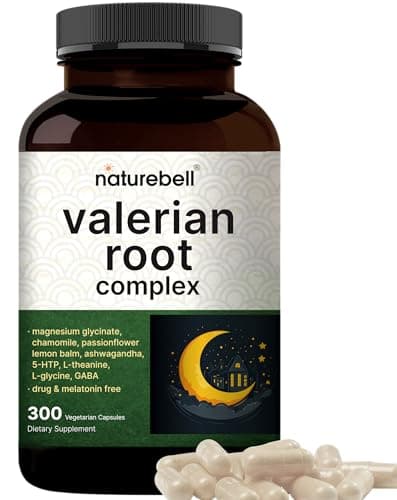
NatureBell Valerian Root for Sleep
Cost per serving
$0.03
300 servings · ~300-day supply
Well absorbed
$9.99Price from Amazon.com
NatureBell · Amazon.com 0
See the offer Cheapest Magnesium Taurate
NEW
🌙 Magnesium
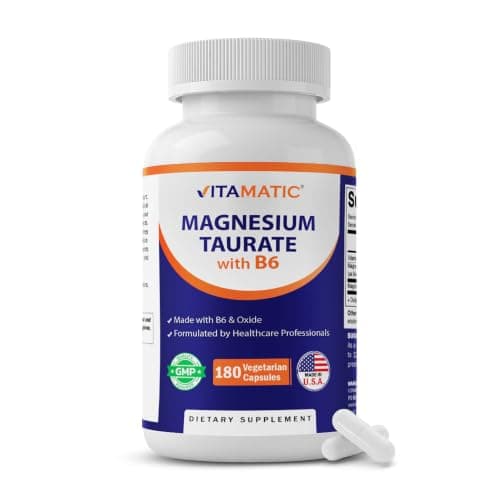
Vitamatic Magnesium Taurate 1500mg per Serving…
Cost per serving
$0.07
180 servings · ~180-day supply
Well absorbed
$12.99Price from Amazon.com
Vitamatic · Amazon.com 0
See the offer Frequently asked
Magnesium glycinate or taurate — which is better?+
For general use they are similar: both are well-absorbed, gentle chelated forms. Glycinate is the all-rounder for sleep and stress; taurate adds taurine and is popular for cardiovascular support, though the specific evidence for that is limited. Choose on price per dose unless you specifically want taurine. Not medical advice.
Is magnesium taurate good for blood pressure?+
Magnesium taurate is often marketed for heart and blood-pressure support because taurine has cardiovascular roles, but well-designed human trials on magnesium taurate specifically are scarce, so treat the claim cautiously and discuss blood pressure with a clinician. Not medical advice.
Is Magnesium Glycinate or Magnesium Taurate cheaper per dose?+
The cheapest Magnesium Glycinate we track is $0.03 per serving; the cheapest Magnesium Taurate is $0.07 per serving — so Magnesium Glycinate costs less per dose right now (October 2026).
Is Magnesium Glycinate or Magnesium Taurate higher in elemental magnesium?+
By weight, Magnesium Glycinate is about 14% elemental magnesium (~140 mg per 1,000 mg) and Magnesium Taurate is about 9% (~90 mg per 1,000 mg). A higher elemental percentage isn't automatically better value — absorption differs by form, so weigh the "magnesium" line in the Supplement Facts panel against price and absorption, not the front-label number.
How much Magnesium do you need per day?+
RDAs depend on age and sex. Adult men need 400-420 mg; adult women need 310-320 mg. Pregnancy is 350-400 mg and lactation 310-360 mg. Children range from 80 mg (1-3 years) to 240 mg (9-13 years); infants have AIs of 30-75 mg. — per the NIH Office of Dietary Supplements; general information, not medical advice.
Can you take too much Magnesium?+
Yes. The Tolerable Upper Intake Level for supplemental magnesium is 350 mg for adults. High supplement or medication doses can cause diarrhea, nausea, and abdominal cramping. Very high doses cause toxicity: hypotension, vomiting, difficulty breathing, irregular heartbeat, and cardiac arrest; fatal hypermagnesemia has occurred. — per the NIH Office of Dietary Supplements; general information, not medical advice.
Dosage & safety answers sourced from the NIH Office of Dietary Supplements. General information, not medical advice.
What the research says
Too much magnesium from food does not pose a health risk in healthy individuals because the kidneys eliminate excess amounts, but high doses from dietary supplements or medications often cause diarrhea, nausea, and abdominal cramping. The Tolerable Upper Intake Level (UL) for supplemental magnesium is 350 mg/day for adults — per the NIH Office of Dietary Supplements.
Groups more likely to be at risk of magnesium inadequacy include people with gastrointestinal diseases (such as Crohn's disease and celiac disease), people with type 2 diabetes, people with alcohol dependence, and older adults. Early signs and symptoms of deficiency include loss of appetite, nausea, vomiting, fatigue, and weakness; as it worsens, numbness, tingling, muscle contractions and cramps, seizures, personality changes, abnormal heart rhythms, and coronary spasms can occur, and severe deficiency can cause hypocalcemia or hypokalemia — per the NIH Office of Dietary Supplements.
Related
Best Magnesium Glycinate by cost per doseBest Magnesium Taurate by cost per doseMagnesium Glycinate dosage & factsMagnesium Taurate dosage & factsSupplement price-spread study
People also compare
References & sources
- Health Professional fact sheet — NIH Office of Dietary Supplements
- USP Verified product participants — U.S. Pharmacopeia
- NSF certified products — NSF
We link primary sources and paraphrase their findings — never copy their text, tables, or images. Cost-per-dose figures are our own first-party catalog data.