Whey Protein vs Collagen Peptides
Whey Protein and Collagen Peptides compared on absorption, gut tolerance, and real cost per dose — the cheapest of each pulled live from the Amazon US catalog.
Updated September 2026
Side by side
| Attribute | Whey | Collagen |
|---|---|---|
| Complete protein | Yes | No (no tryptophan) |
| Leucine | High | Low |
| Best for | Muscle and protein intake | Skin and joints |
| Typical dose | 20–40 g | 2.5–15 g |
| Active deals tracked | 43 | 117 |
| Cheapest cost per dose | $0.93 (per 30 g) | $0.04 (per serving) |
Both digest quickly. Whey is a complete protein with a high leucine content, the trigger for muscle protein synthesis. Collagen peptides are rich in glycine, proline and hydroxyproline but contain no tryptophan.
Which to avoid / caveats
- Compare cost per elemental / active content, not the compound milligrams printed on the label — a bigger number on the front can hide less of what you actually absorb.
- The cheapest sticker price isn’t always the best value: our “cheapest per dose” figures normalise price across bottle sizes, so a larger count only wins if it truly costs less per serving.
Collagen Peptides
Best for: Skin and joint support, where the evidence is modest.
Best Collagen Peptides by cost per doseCheapest Whey Protein
NEW
💪 Protein Powder
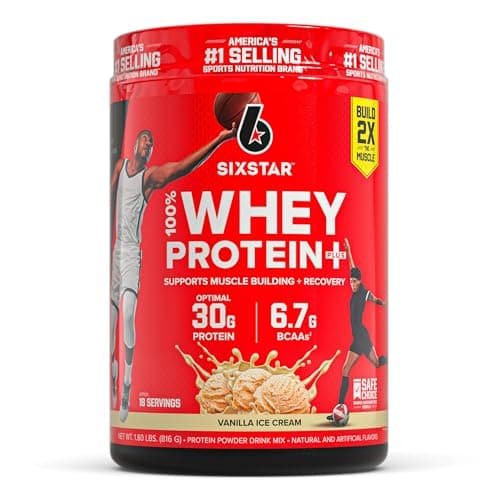
Six Star Whey Protein Powder Plus - Muscle Building & Recovery…
Cost per serving
$0.93
27 servings · ~27-day supply
$24.99Price from Amazon.com
Six Star · Amazon.com 0
See the offer Cheapest Collagen Peptides
NEW
💇 Biotin (Vitamin B7)
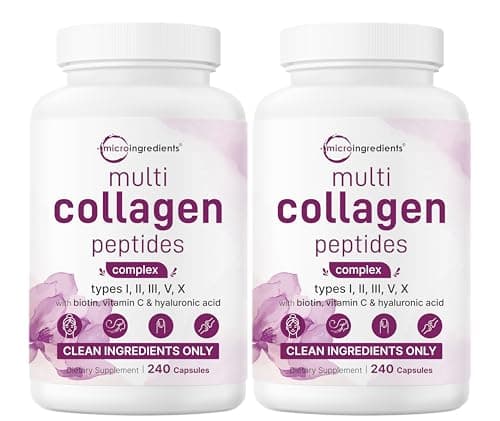
Micro Ingredients 2 Pack Multi Collagen Pills for Women & Men
Cost per serving
$0.04
960 servings · ~960-day supply
$39.99Price from Amazon.com
Micro Ingredients · Amazon.com 0
See the offer Frequently asked
Is collagen as good as whey for muscle?+
No. Collagen lacks tryptophan and is low in leucine, so gram for gram it stimulates muscle protein synthesis far less than whey. Use whey (or another complete protein) for muscle and treat collagen as a separate supplement. Not medical advice.
Can you take whey and collagen together?+
Yes, some people mix them in one shake. Just count only the whey toward a muscle-focused protein target. Not medical advice.
Is Whey Protein or Collagen Peptides cheaper per dose?+
The cheapest Whey Protein we track is $0.93 per serving; the cheapest Collagen Peptides is $0.04 per serving — so Collagen Peptides costs less per dose right now (September 2026).
What the research says
Per NIH ODS, the Food and Nutrition Board has not set a Tolerable Upper Intake Level for protein, noting that the risk of adverse effects from excess protein from food is very low; ODS advises caution for those obtaining high protein intakes from foods and supplements because of limited data on potential adverse effects. ODS reports no safety concerns at daily recommended intakes for athletes of up to about 2.0 g/kg body weight (about 136 g for a 150-lb person) and lists no known adverse effects for protein at these intakes. ODS frames athlete protein needs at about 0.55 to 0.9 g/lb body weight (1.2 to 2.0 g/kg) per day, generally obtainable from food. ODS adds that high-protein diets providing two to three times the RDA (0.8 g/kg/day for adults) do not appear to increase the risk of renal stones, dehydration, or compromised renal function.
Per NIH ODS, many foods contain protein, including meats, poultry, seafood, eggs, dairy products, beans, and nuts. ODS notes that complete proteins (containing all EAAs) come mainly from animal products such as meat, poultry, fish, eggs, and milk, whereas some plant proteins are incomplete (for example, soy lacks methionine and rice lacks isoleucine), so a combination of plant-based foods with complementary proteins that together provide all EAAs can supply them. ODS does not give per-food protein gram amounts in this fact sheet.
Related
Best Whey Protein by cost per doseBest Collagen Peptides by cost per doseWhey Protein dosage & factsCollagen Peptides dosage & factsSupplement price-spread study
People also compare
References & sources
- Health Professional fact sheet — NIH Office of Dietary Supplements
- USP Verified product participants — U.S. Pharmacopeia
- NSF certified products — NSF
We link primary sources and paraphrase their findings — never copy their text, tables, or images. Cost-per-dose figures are our own first-party catalog data.