
Horny Goat Weed for Men - Male Enhancement Supplement…
DORADO NUTRITIONAmazon.com
$0.20/serving
$11.950°
herbal · 18 active deals
The best-value Ginseng right now is about $0.10 per dose — across the 6 we can price per dose the median is $0.162/dose, so shopping on cost-per-dose can cut your cost several-fold. Every Ginseng deal here is ranked by cost per dose — what you actually pay per serving, not the sticker price — because forms and absorption differ, so the cheapest bottle isn’t always the cheapest dose.
Prices checked · live from the Amazon US catalog.
Right now the best value across our full Ginseng catalog is at $0.10 per serving.
Asian ginseng (Panax ginseng) has been promoted for stress, cognitive function, flu, fatigue, athletic performance, diabetes, aging, asthma, and anxiety, but the evidence is limited and mixed. Some research suggests it may improve cognitive function in middle-aged adults, though not in younger adults. It may have a small beneficial effect on general fatigue, but not all research agrees. Research on its use for diabetes is overall inconclusive and conflicting, and the majority of research shows it does not improve athletic performance. Some studies suggest it seems to improve sexual function in erectile dysfunction, but findings remain preliminary. — per NIH NCCIH; not medical advice.
The root is the part most frequently used. The terms "red ginseng" and "white ginseng" refer to different ways of preparing the root. — per NIH NCCIH
A small amount of research suggests Asian ginseng may modestly improve cognitive function in middle-aged adults and may have a small beneficial effect on general fatigue, but most trials were small and short and results are inconsistent — larger, longer studies are needed — per the U.S. National Center for Complementary and Integrative Health (NCCIH).
Short-term oral use (up to 6 months) in recommended amounts appears to be safe for most people, but questions have been raised about its long-term safety. Insomnia is the most common side effect; uncommon reported effects include severe rash, liver damage, and severe allergic reactions. Some experts recommend against its use for infants, children, and women who are pregnant or breastfeeding. — per NIH NCCIH; not medical advice.
Asian ginseng might lower blood sugar levels, so people with diabetes should consult their health care provider before using it. It may worsen autoimmune disorders and interfere with blood clotting. It might also interact with certain medications, so anyone taking any medicine should talk with their health care provider. — per NIH NCCIH; not medical advice.
Source: NIH Office of Dietary Supplements — Ginseng fact sheet
Horny Goat Weed for Men - Male Enhancement Supplement…

Ginkgo Biloba Supplement w/ Ginseng 200mg & Bacopa Monnieri…


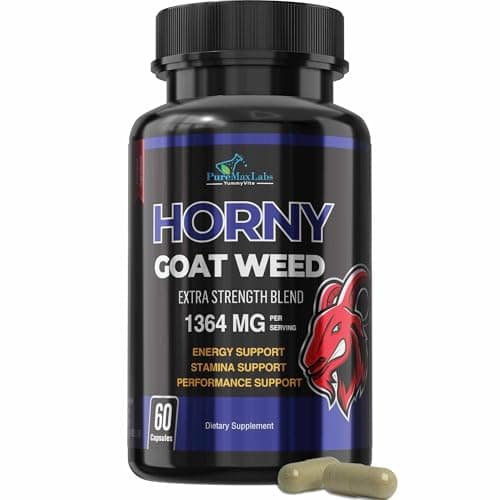

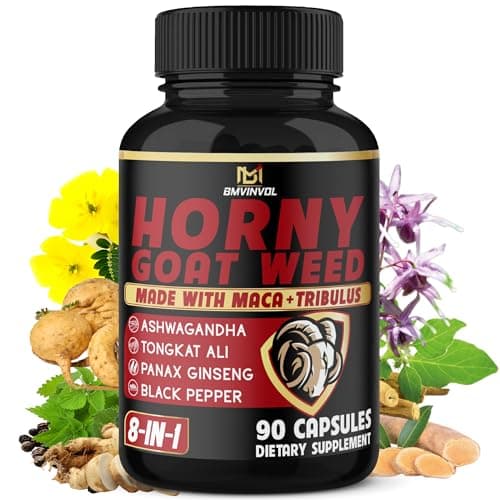
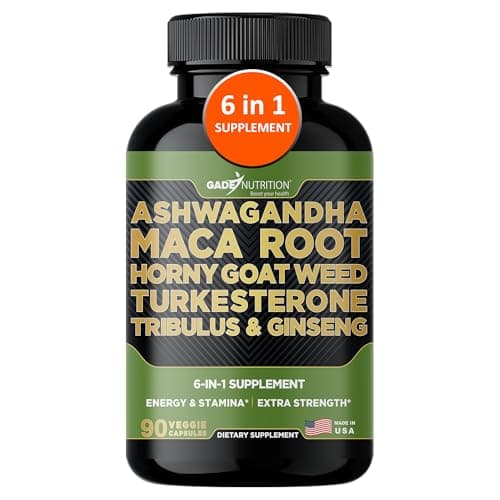
Gade Nutrition Ashwagandha with Maca Root
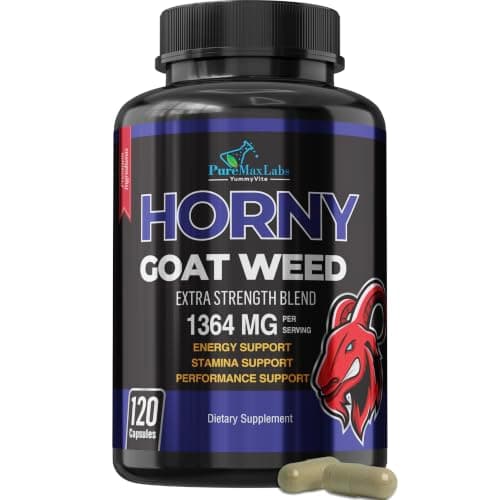
YUMMYVITE Horny Goat Weed Extra Strength -120 Capsules w. Maca
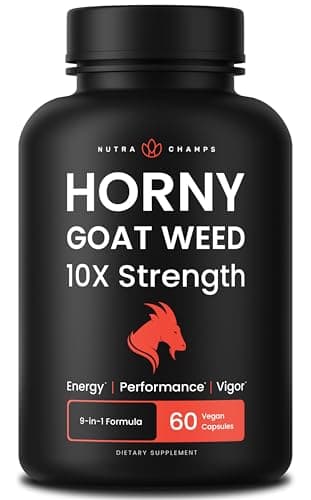
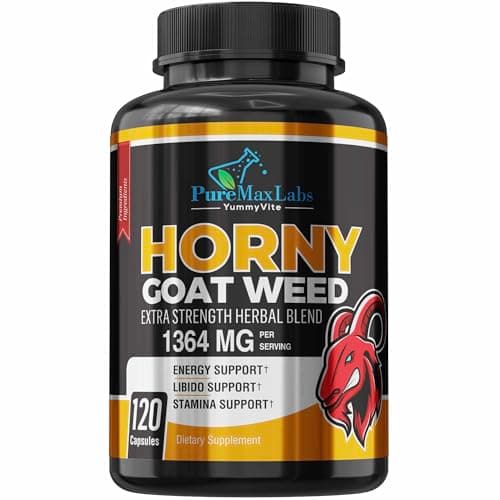

Horny Goat Weed for Men 1000mg – 9-in-1 Male Enhancing…

Notoginseng 400mg - SuperSmart | Panax Notoginseng Extract…
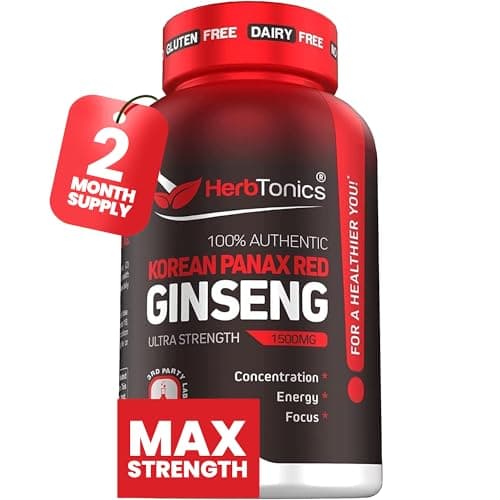
Herbtonics Korean Red Panax Ginseng 1500mg - Energy Supplement…
Every Ginseng deal above is ranked by real cost per dose with no paid placement — see our and .
Independent third-party testing is a voluntary check of a product's identity, potency and contaminants by an outside lab. It's a quality signal, not a value or efficacy claim. Confirm any brand's current status on the official registries:
Testing status is self-reported by the brand or drawn from public certification and may change — always verify on the official registry before purchase.
The cheapest ginseng we track works out to $0.10 , against a typical $0.16 across the 6 we can price per dose — about $3.06 a month at the cheapest. That is real from live Amazon US prices, not the sticker price. The full ranking is on the Best Ginseng page.
NOW Foods Supplements, Panax Ginseng (Root) 500 mg, Adaptogenic Herb*, 250 Veg… at $0.10 — the lowest cost-per-dose ginseng in our catalog. See the full ranking on the Best Ginseng page.
We're tracking 18 active Ginseng deals across Amazon US and partner retailers, ranked by community votes and cost-per-dose — not paid placement.
Across the 6 Ginseng deals we can price per dose (combination products are left out — their single label dose belongs to whichever ingredient the product is built around) the median cost-per-dose is $0.162; the cheapest quartile comes in under $0.113 . Anything below the median is a solid deal for the same molecule.
Deals are submitted by the community and ranked by net votes (hot minus cold) plus cost-per-dose normalised across container sizes. We take no affiliate kickbacks for ordering; sponsored slots, when present, are clearly badged.
We link primary sources and paraphrase their findings — never copy their text, tables, or images. Cost-per-dose figures are our own first-party catalog data.
Source: NIH NCCIH — Ginseng
A small amount of research suggests Asian ginseng may modestly improve cognitive function in middle-aged adults and may have a small beneficial effect on general fatigue, but most trials were small and short and results are inconsistent — larger, longer studies are needed — per the U.S. National Center for Complementary and Integrative Health (NCCIH).
Short-term oral use (up to 6 months) in recommended amounts appears to be safe for most people, but questions have been raised about its long-term safety. Insomnia is the most common side effect; uncommon reported effects include severe rash, liver damage, and severe allergic reactions. Some experts recommend against its use for infants, children, and women who are pregnant or breastfeeding. — per NIH NCCIH; not medical advice.
Asian ginseng might lower blood sugar levels, so people with diabetes should consult their health care provider before using it. It may worsen autoimmune disorders and interfere with blood clotting. It might also interact with certain medications, so anyone taking any medicine should talk with their health care provider. — per NIH NCCIH; not medical advice.
Dosage, upper-limit, deficiency, food-source and interaction facts are sourced from the NIH Office of Dietary Supplements Ginseng fact sheet. General information, not medical advice.