
🍵
Green Tea Extract
herbal · 30 active deals
How much does Green Tea Extract cost?
The best-value Green Tea Extract right now is about $0.06 per dose — across the 18 we can price per dose the median is $0.108/dose, so shopping on cost-per-dose can cut your cost several-fold. Every Green Tea Extract deal here is ranked by cost per dose — what you actually pay per serving, not the sticker price — because forms and absorption differ, so the cheapest bottle isn’t always the cheapest dose.
Prices checked · live from the Amazon US catalog.
Right now the best value across our full Green Tea Extract catalog is at $0.06 per serving.
Median $0.108/servingCheapest quartile under $0.090across 18 tracked Green Tea Extract deals
Goals:
What Green Tea Extract does
Green tea and its extracts are promoted for weight loss and for reducing cholesterol, with the catechins and caffeine in green tea thought to have a modest effect on body weight. Research has found that green tea reduced total and LDL cholesterol to a small extent but did not affect HDL cholesterol or triglycerides. Some studies have linked green tea drinking to a lower risk of heart disease in Asian populations, but not in Western ones. Studies on cancer have produced inconsistent overall results. NCCIH cautions that definite conclusions cannot yet be reached on whether green tea is helpful for most of the purposes for which it is used. — per NIH NCCIH; not medical advice.
Forms & absorption
Consumed as a beverage (brewed tea) and taken as green tea extracts in tablet or capsule form. Green, black, and oolong teas all come from the same plant, Camellia sinensis, but are prepared using different methods.
What the evidence shows for Green Tea Extract
Definite conclusions can't yet be reached on green tea for most uses: cancer-risk results are inconsistent, its catechins and caffeine may have a modest effect on body weight, and green-tea extract may lower total and LDL cholesterol modestly (a topical green-tea drug is separately FDA-approved for genital warts) — per the U.S. National Center for Complementary and Integrative Health (NCCIH).
Green Tea Extract — safety & side effects
No safety concerns have been reported for green tea consumed as a beverage by adults. Green tea extracts in supplement form may cause nausea, constipation, abdominal discomfort, and increased blood pressure. Although uncommon, liver injury has been reported in some people who used green tea products, primarily green tea extracts in tablet or capsule form; people with a specific genetic variant (an estimated 5 to 15 percent of Americans) appear especially susceptible. — per NIH NCCIH; not medical advice.
Green Tea Extract — interactions & cautions
Green tea may reduce the effectiveness of certain medications, including nadolol (a blood pressure drug), atorvastatin (a cholesterol drug), and raloxifene (an osteoporosis drug). Because green tea is a source of caffeine, NCCIH advises that caffeine intake should not exceed moderate levels during pregnancy; caffeine can also pass to an infant through breast milk, and high levels may cause fussiness and poor sleep, though low-to-moderate intake usually does not cause adverse effects in breastfeeding infants. — per NIH NCCIH; not medical advice.


Green Tea Extract 1000mg - Premium Green Tea Extract Pills…
Nature's NutritionAmazon.com
$0.15/serving
$8.820°

DIPO Raspberry Ketones Ultra 500mg with African Mango Seed
DIPO HEALTH HARMONYAmazon.com
$0.42/serving
$24.950°

Berberine HCL 1200mg & Japanese Green Tea Extract 150mg…
4Well ProductsAmazon.com
$0.53/serving
$31.990°


Relentless Improvement EGCG Green Tea Extract 90 Capsules…
Relentless ImprovementAmazon.com
$0.44/serving
$39.990°
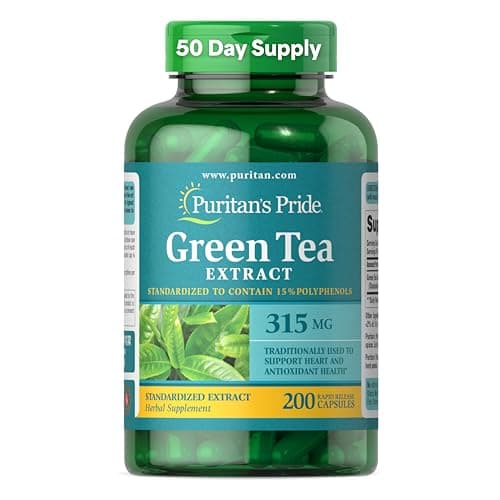
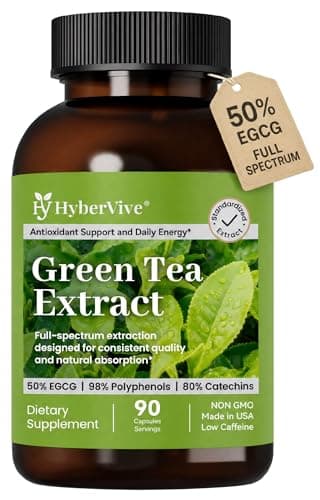

Renue By Science Green Tea Extract | High Strength Liposomal…
Renue By ScienceAmazon.com
$0.50/serving
$44.950°
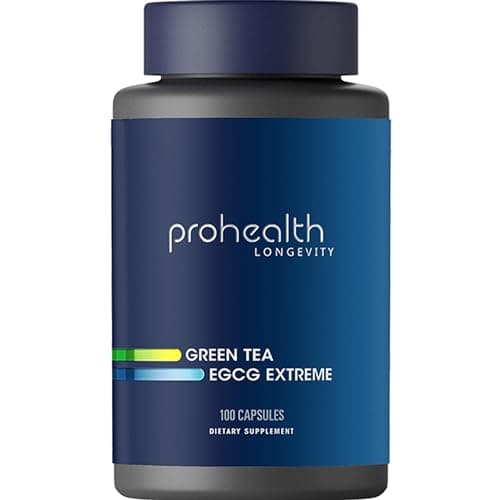
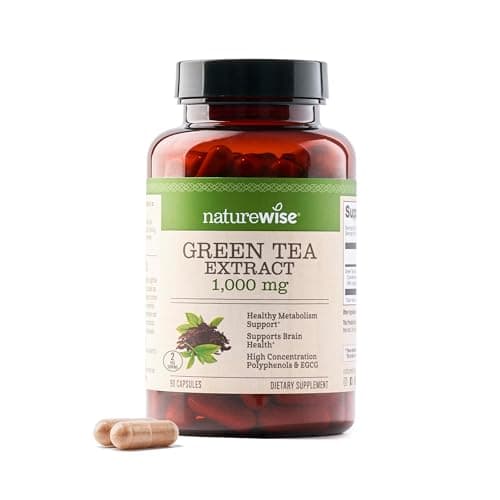
NatureWise Green Tea Extract Capsules 1000 mg - 50% EGCG & 98%…
NatureWiseAmazon.com
$0.11/serving
$9.990°
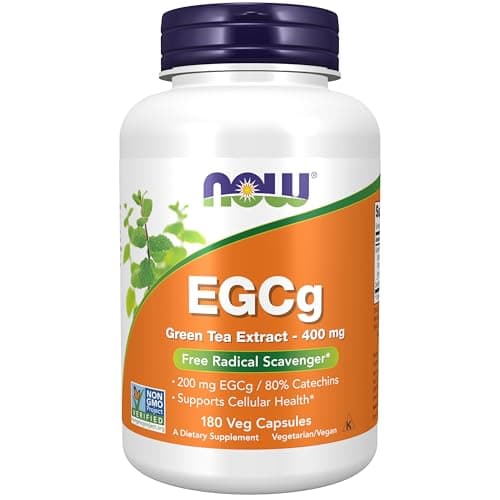
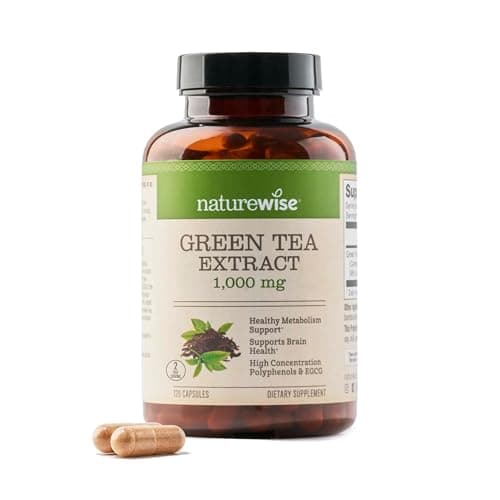
NatureWise Green Tea Extract Capsules 1000 mg - 50% EGCG & 98%…
NatureWiseAmazon.com
$0.10/serving
$11.990°
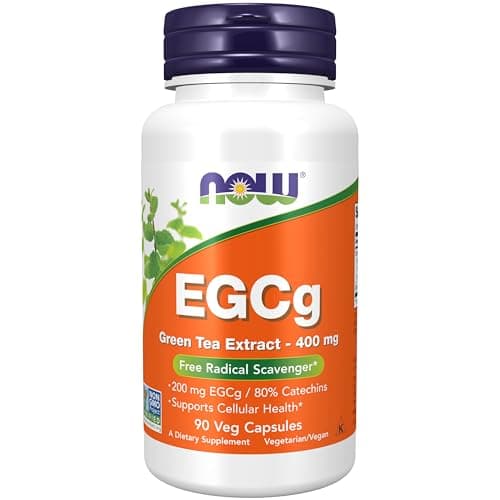
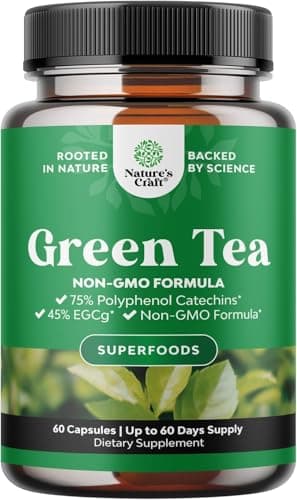
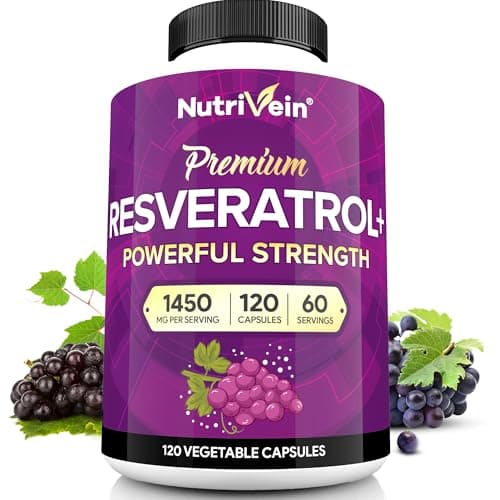
Nutrivein Resveratrol Supplement 1450 mg with Green Tea & Acai…
NutriveinAmazon.com
$0.17/serving
$19.990°

ECG 455mg - SuperSmart | 70% EGCg Green Tea Extract - Potent…
SuperSmart USA LLCSuperSmart
$0.65/serving
$39.000°

Optimum Nutrition Amino Energy - Pre Workout with Green Tea
Optimum NutritionAmazon.com
$0.78/serving
$23.350°
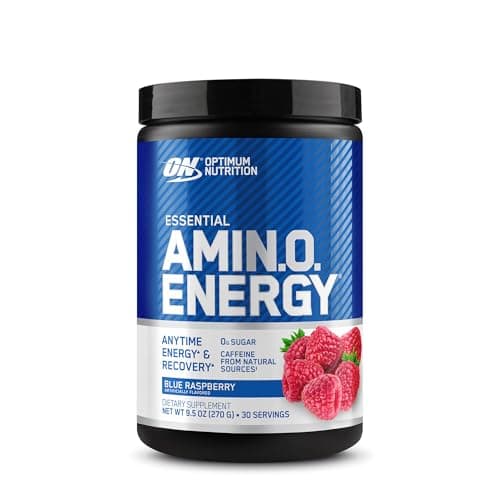
Optimum Nutrition Amino Energy - Pre Workout with Green Tea
Optimum NutritionAmazon.com
$0.79/serving
$23.720°

Optimum Nutrition, Amino Energy - Pre Workout with Green Tea…
Optimum NutritionAmazon.com
$0.69/serving
$44.990°

Optimum Nutrition Amino Energy - Pre Workout with Green Tea
Optimum NutritionAmazon.com
$0.78/serving
$23.400°
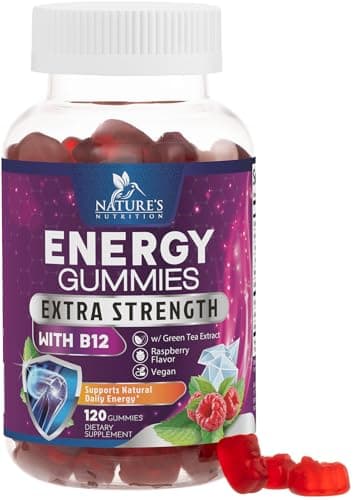
Energy Gummies - Vitamin B12 1000 mcg Per Serving - Daily…
Nature's NutritionAmazon.com
$0.15/serving
$18.420°
Every Green Tea Extract deal above is ranked by real cost per dose with no paid placement — see our and .
Independent testing
1 of 16 tracked Green Tea Extract brands here are flagged as carrying independent third-party testing — a voluntary check of a product's identity, potency and contaminants by an outside lab. It's a quality signal, not a value or efficacy claim. Confirm any brand's current status on the official registries:
Testing status is self-reported by the brand or drawn from public certification and may change — always verify on the official registry before purchase.
Green Tea Extract deals — FAQ
- How much does Green Tea Extract cost?
The cheapest green tea extract we track works out to $0.06 , against a typical $0.11 across the 18 we can price per dose — about $1.83 a month at the cheapest. That is real from live Amazon US prices, not the sticker price. The full ranking is on the Best Green Tea Extract page.
- What is the best-value Green Tea Extract per dose?
Horbäach Green Tea Extract Supplement | 450mg | 180 | Extra Strength… at $0.06 — the lowest cost-per-dose green tea extract in our catalog. See the full ranking on the Best Green Tea Extract page.
- How many Green Tea Extract deals are live right now?
We're tracking 30 active Green Tea Extract deals across Amazon US and partner retailers, ranked by community votes and cost-per-dose — not paid placement.
- What's a good price for Green Tea Extract per dose?
Across the 18 Green Tea Extract deals we can price per dose (combination products are left out — their single label dose belongs to whichever ingredient the product is built around) the median cost-per-dose is $0.108; the cheapest quartile comes in under $0.090 . Anything below the median is a solid deal for the same molecule.
- How does VitaminDB rank Green Tea Extract deals?
Related herbal supplements
References & sources
- Green Tea — NIH National Center for Complementary and Integrative Health
- USP Verified product participants — U.S. Pharmacopeia
- NSF certified products — NSF
We link primary sources and paraphrase their findings — never copy their text, tables, or images. Cost-per-dose figures are our own first-party catalog data.