
🌾
Vitamin B1 (Thiamine)
vitamin · 83 active deals
How much does Vitamin B1 (Thiamine) cost?
The best-value Vitamin B1 (Thiamine) right now is about $0.02 per dose — across the 63 we can price per dose the median is $0.144/dose, so shopping on cost-per-dose can cut your cost several-fold. Every Vitamin B1 (Thiamine) deal here is ranked by cost per dose — what you actually pay per serving, not the sticker price — because forms and absorption differ, so the cheapest bottle isn’t always the cheapest dose.
Prices checked · live from the Amazon US catalog.
Right now the best value across our full Vitamin B1 (Thiamine) catalog is at $0.02 per serving.
Median $0.144/servingCheapest quartile under $0.084across 63 tracked Vitamin B1 (Thiamine) deals
What Vitamin B1 (Thiamine) does
Thiamin (vitamin B1) is a water-soluble B vitamin that the body requires for energy metabolism and, therefore, for the growth, development, and function of cells; in its main active form, thiamin diphosphate, it serves as an essential cofactor for enzymes involved in glucose, amino acid, and lipid metabolism. Supplemental thiamin is used to treat thiamin deficiency and its consequences such as beriberi and Wernicke-Korsakoff syndrome, though a Cochrane review concluded the evidence from clinical trials is insufficient to guide the dose, frequency, duration, or route of thiamin supplementation for that syndrome. It has also been studied for diabetes and heart failure, where small studies suggest possible effects on glucose levels or left ventricular ejection fraction, but the authors did not assess the clinical significance of these findings, and for Alzheimer's disease, where existing trials were too small to draw conclusions. In each of these areas the NIH notes that larger, well-designed studies are needed to determine whether thiamin supplements are beneficial — per the NIH Office of Dietary Supplements; not medical advice.
Forms & absorption
The most commonly used forms of thiamin in supplements are thiamin mononitrate and thiamin hydrochloride, which the fact sheet describes as stable and water soluble. Benfotiamine is a synthetic thiamin derivative used in some supplements that, unlike these forms, is not water soluble and is converted to thiamin in the body. Multivitamin/mineral supplements containing thiamin typically provide about 1.5 mg, and thiamin is also available in B-complex or thiamin-only supplements.
Food sources of Vitamin B1 (Thiamine)
Food sources of thiamin include whole grains, meat, and fish, and in the U.S. breads, cereals, and infant formulas are fortified with thiamin. The most common sources in the U.S. diet are cereals and bread, with pork another major source, while dairy products and most fruits contain little thiamin. Among the highest-providing foods listed are fortified breakfast cereals, enriched egg noodles, pork chops, trout, and black beans — per the NIH Office of Dietary Supplements.
Vitamin B1 (Thiamine) deficiency — who's at risk
Groups most likely to have inadequate thiamin status include people with alcohol dependence (up to 80% of people with chronic alcoholism develop deficiency), older adults, people with HIV/AIDS or diabetes, and people who have undergone bariatric surgery. In its early stage, deficiency can cause weight loss and anorexia, confusion, short-term memory loss, muscle weakness, and cardiovascular symptoms; its most common effect is beriberi (peripheral neuropathy and wasting), and a more common U.S. manifestation is Wernicke-Korsakoff syndrome — per the NIH Office of Dietary Supplements.

Alpha Lipoic Acid 600mg - ALA Supplement + Benfotiamine B1…
NUTRAHARMONYAmazon.com
$0.17/serving
$40.060°

Amazon Basics Vitamin B1 (Thiamine) Tablets, 250 mg, 100 Count
Amazon BasicsAmazon.com
$0.06/serving
$6.360°

Dr. Berg Vitamin B1 Benfotiamine 300mg | 8-in-1 Nerve Support…
Dr. Berg NutritionalsAmazon.com
$0.37/serving
$32.990°


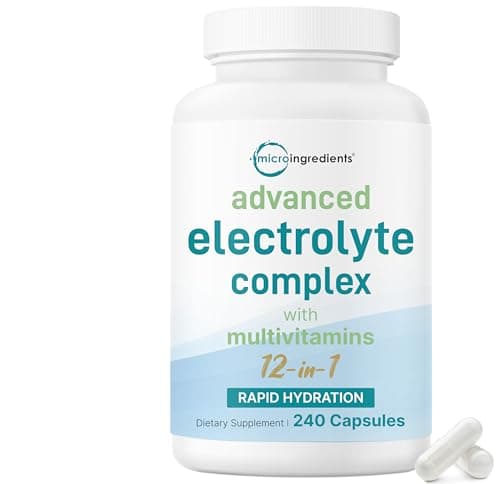

Benfotiamine 320mg - SuperSmart | Highly Bioavailable Thiamine…
SuperSmart USA LLCSuperSmart
$0.45/serving
$27.000°
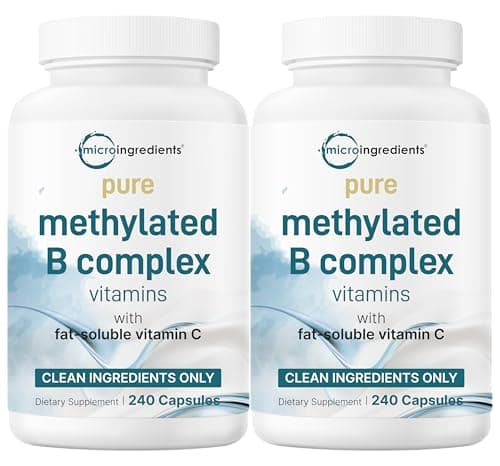
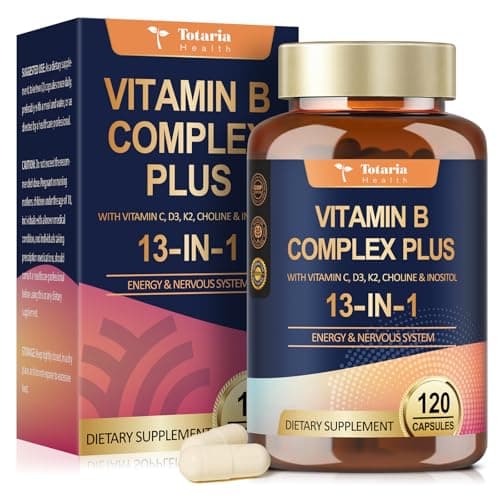
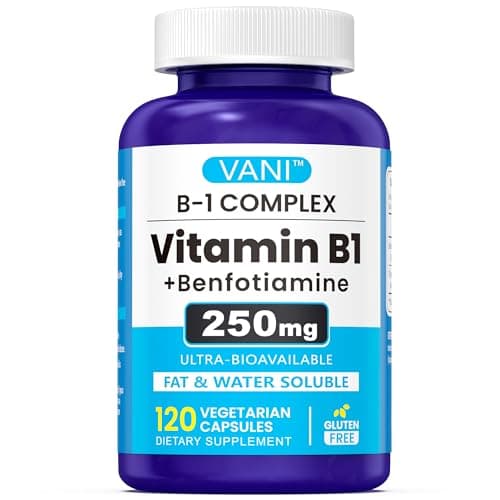

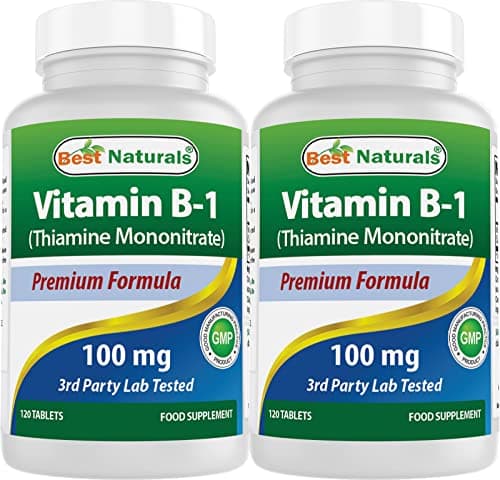
Best Naturals Vitamin B1 as Thiamine Mononitrate 100 mg…
Best NaturalsAmazon.com
$0.15/serving
$17.980°
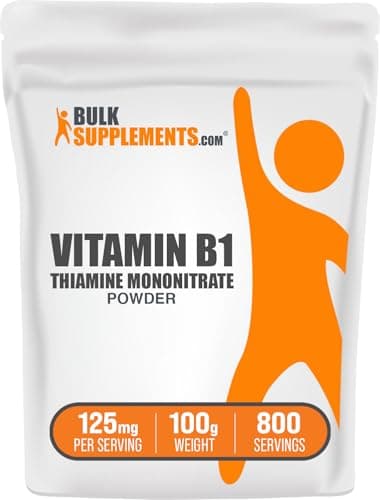
BulkSupplements.com Thiamine Mononitrate Powder - Vitamin B1…
BulkSupplements.comAmazon.com
$0.03/serving
$22.970°
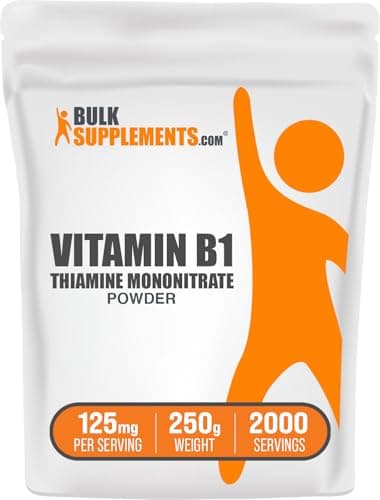
BulkSupplements.com Thiamine Mononitrate Powder - Vitamin B1…
BulkSupplements.comAmazon.com
$0.02/serving
$30.970°
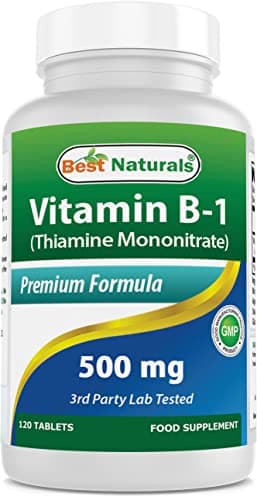
Best Naturals Vitamin B1 as Thiamine Mononitrate 500 mg…
Best NaturalsAmazon.com
$0.12/serving
$14.950°

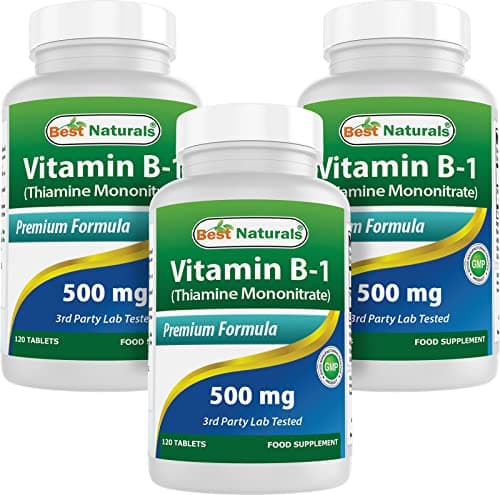
Best Naturals Vitamin B1 as Thiamine Mononitrate 500 mg…
Best NaturalsAmazon.com
$0.32/serving
$38.190°
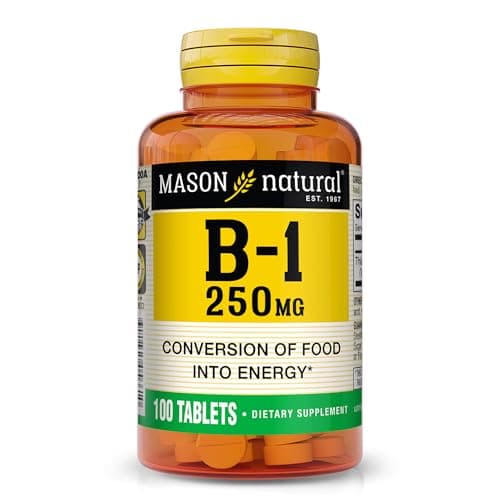
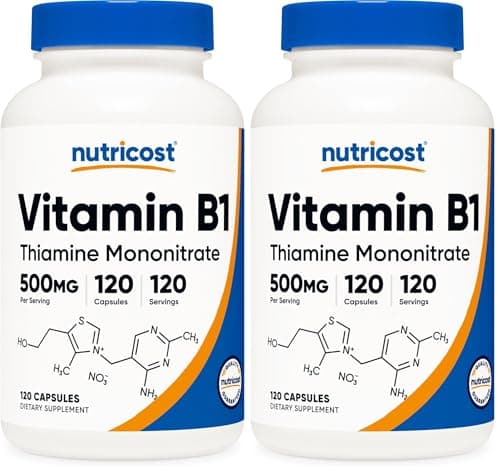
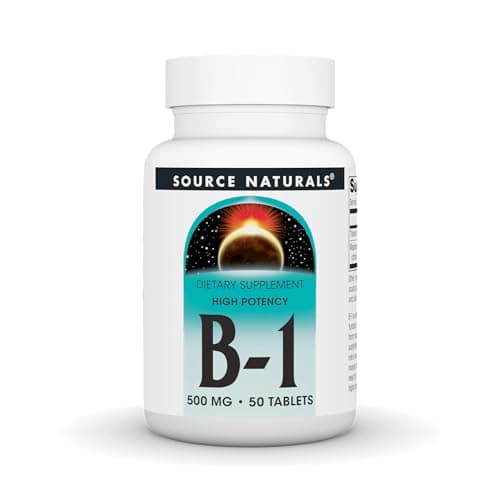
Source Naturals Vitamin B-1 Thiamin 500mg - High Potency
Source NaturalsAmazon.com
$0.19/serving
$9.290°
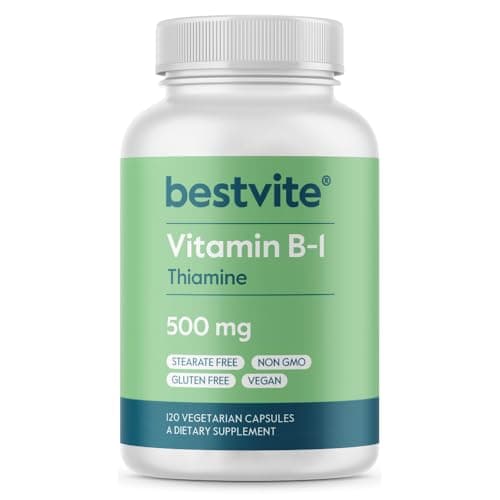
BESTVITE Vitamin B-1 (Thiamin) 500mg (120 Vegetarian Capsules)…
BestViteAmazon.com
$0.16/serving
$18.990°
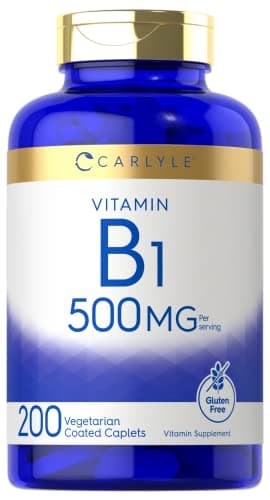

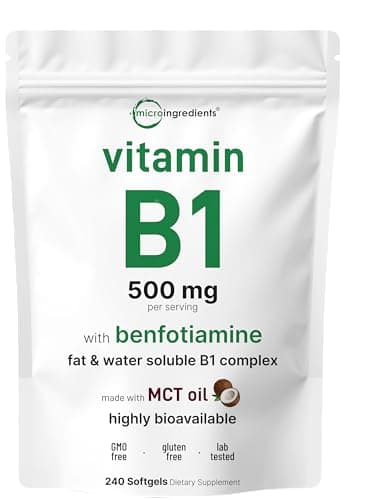
Micro Ingredients Vitamin B1 Thiamine 500mg with Benfotiamine…
Micro IngredientsAmazon.com
$0.11/serving
$26.990°
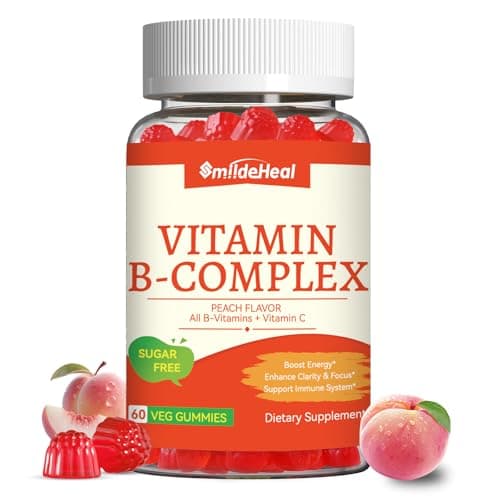
Vitamin B Complex Gummies for Women & Men - Vitamin B12, B1…
SmildeHealAmazon.com
$0.15/serving
$8.990°
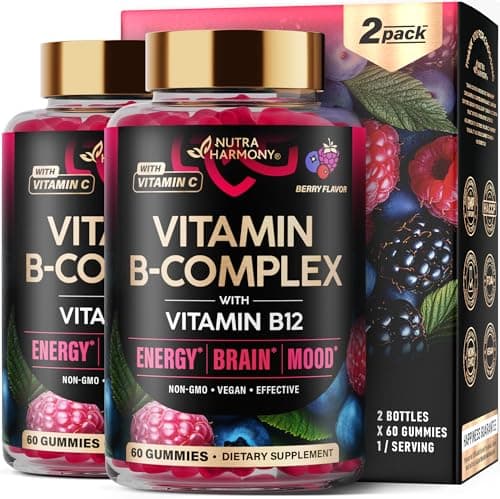
Vitamin B-Complex Gummies for Women & Men - Vitamin B12, B1…
NUTRAHARMONYAmazon.com
$0.56/serving
$33.790°
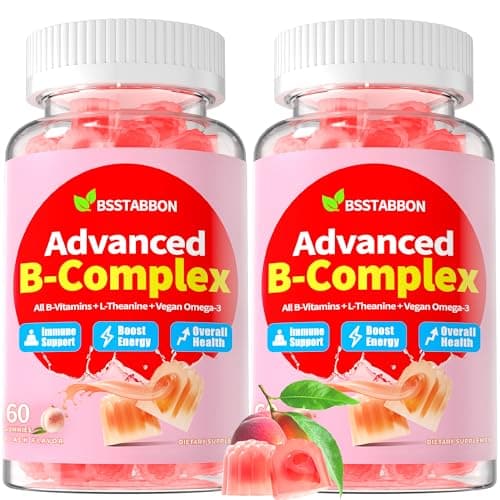
Methylated Vitamin B Complex Gummies: 22-in-1 for Daily Energy…
BSSTABBONAmazon.com
$1.59/serving
$34.990°
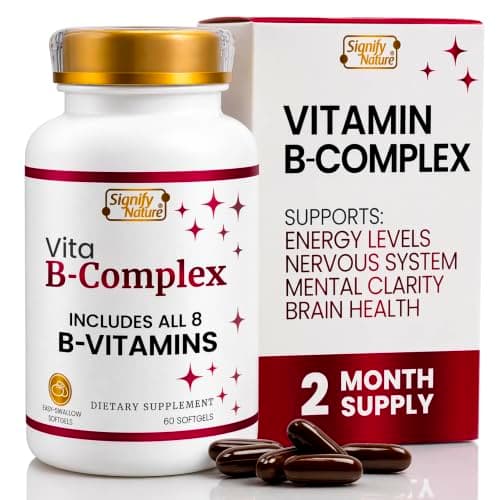
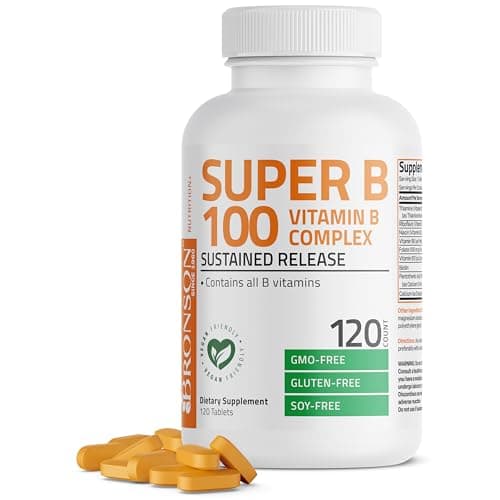
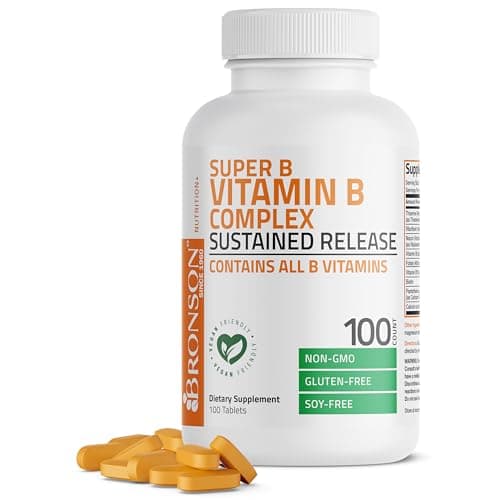
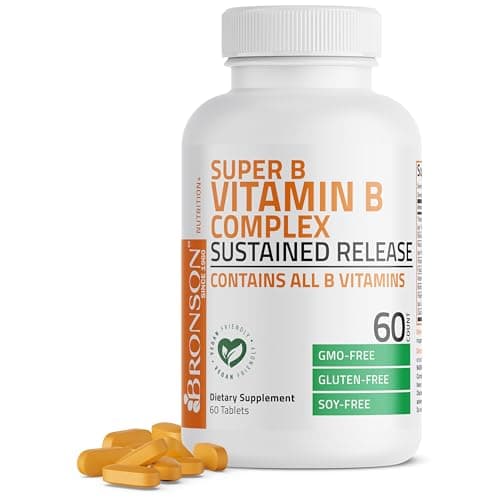
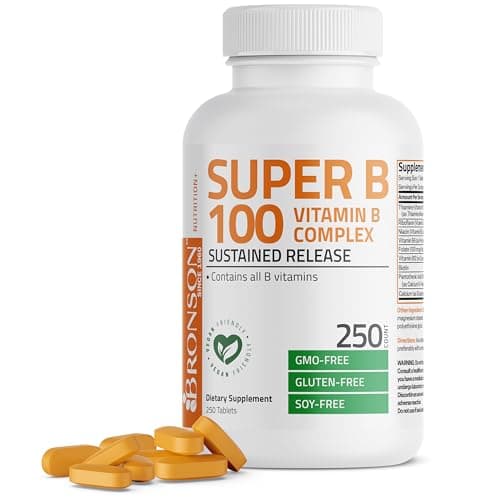
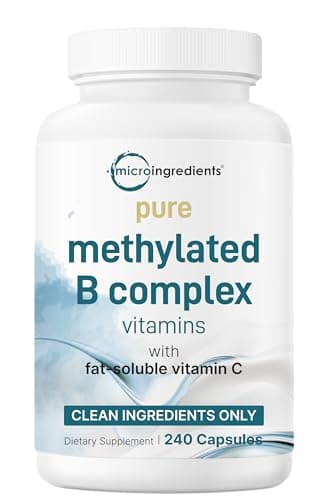

Vitamin B Complex Capsules + Whole Food Blend of 25 Vegetables…
Peak PerformanceAmazon.com
$0.26/serving
$22.950°
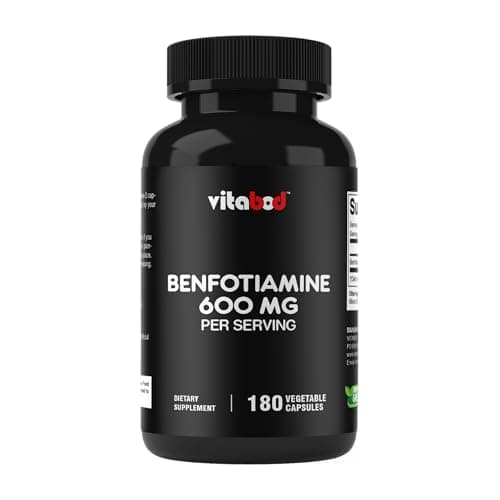
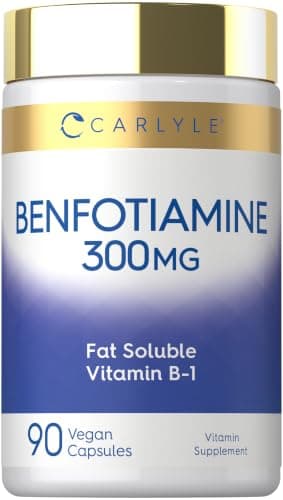
Carlyle Benfotiamine 300mg | 90 Capsules | Fat Soluble Vitamin…
CarlyleAmazon.com
$0.15/serving
$13.940°

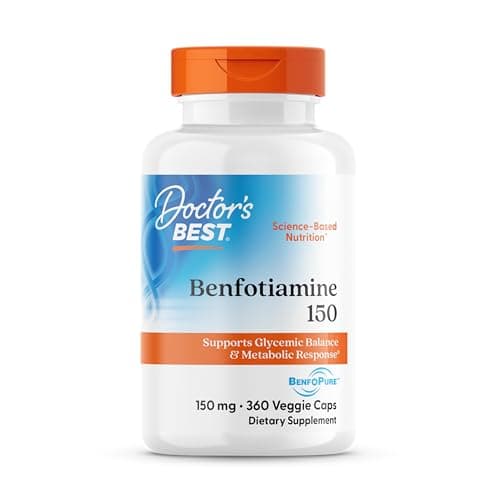
Doctor's Best Benfotiamine 150mg Supplement - Bioavailable…
Doctor's BestAmazon.com
$0.12/serving
$42.990°
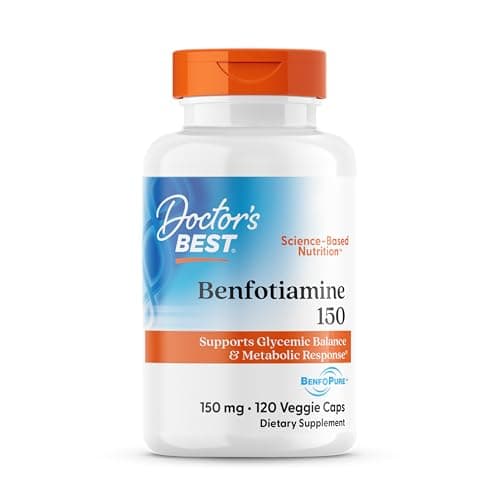
Doctor's Best Benfotiamine 150mg Supplement - Bioavailable…
Doctor's BestAmazon.com
$0.17/serving
$19.990°
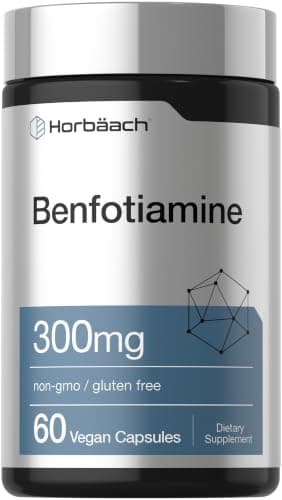
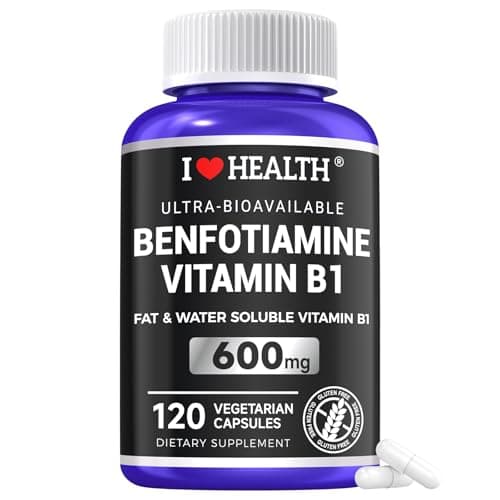
Benfotiamine 600mg Plus 20mg Vitamin B1 | 120 Veggie Capsules…
I LOVE HEALTHAmazon.com
$0.13/serving
$15.950°
Every Vitamin B1 (Thiamine) deal above is ranked by real cost per dose with no paid placement — see our and .
Independent testing
2 of 33 tracked Vitamin B1 (Thiamine) brands here are flagged as carrying independent third-party testing — a voluntary check of a product's identity, potency and contaminants by an outside lab. It's a quality signal, not a value or efficacy claim. Confirm any brand's current status on the official registries:
Testing status is self-reported by the brand or drawn from public certification and may change — always verify on the official registry before purchase.
Vitamin B1 (Thiamine) — dosage, safety & deals FAQ
- How much Thiamin do you need per day?
The for adults is 1.2 mg/day for men and 1.1 mg/day for women age 19+. Pregnant and lactating women need 1.4 mg/day. Children's RDAs range from 0.5 mg (ages 1-3) to 0.9 mg (ages 9-13). Infants have an AI of 0.2-0.3 mg/day. — per the NIH Office of Dietary Supplements; general information, not medical advice.
- Can you take too much Thiamin?
The Food and Nutrition Board did not establish a for thiamin, due to lack of reports of adverse effects from high intakes (50 mg/day or more) from food or supplements. The body excretes excess thiamin in urine. The board noted excessive intakes could still have adverse effects. — per the NIH Office of Dietary Supplements; general information, not medical advice.
- What are the signs of Thiamin deficiency?
In its early stage, thiamin deficiency can cause weight loss and anorexia, confusion, short-term memory loss and other mental signs and symptoms, muscle weakness, and cardiovascular symptoms such as an enlarged heart. The most common effect is beriberi, characterized mainly by peripheral neuropathy and wasting. Wernicke-Korsakoff syndrome is a more common manifestation of thiamin deficiency in the United States. — per the NIH Office of Dietary Supplements; general information, not medical advice.
- Who is most likely to need more Thiamin?
Groups most likely to have inadequate thiamin status include people with alcohol dependence, older adults, people with HIV/AIDS, people with diabetes, and people who have undergone bariatric surgery. Up to 80% of people with chronic alcoholism develop thiamin deficiency. — per the NIH Office of Dietary Supplements; general information, not medical advice.
Related vitamins
References & sources
- Thiamin: Fact Sheet for Health Professionals — NIH Office of Dietary Supplements
- USP Verified product participants — U.S. Pharmacopeia
- NSF certified products — NSF
We link primary sources and paraphrase their findings — never copy their text, tables, or images. Cost-per-dose figures are our own first-party catalog data.