
Source Naturals NR, Nicotinamide Riboside, 300 mg - 90 Vegan…
Source NaturalsAmazon.com
$0.48/serving
$43.340°
vitamin · 134 active deals
The best-value Vitamin B3 (Niacin) right now is about $0.03 per dose — across the 90 we can price per dose the median is $0.131/dose, so shopping on cost-per-dose can cut your cost several-fold. Every Vitamin B3 (Niacin) deal here is ranked by cost per dose — what you actually pay per serving, not the sticker price — because forms and absorption differ, so the cheapest bottle isn’t always the cheapest dose.
Prices checked · live from the Amazon US catalog.
Right now the best value across our full Vitamin B3 (Niacin) catalog is at $0.03 per serving.
Niacin (vitamin B3) is a water-soluble B vitamin that all tissues convert into the coenzyme nicotinamide adenine dinucleotide (NAD) and, in turn, NADP; according to NIH, more than 400 enzymes require NAD — more than for any other vitamin-derived coenzyme. NAD and NADP are required in most cellular redox reactions: NAD helps transfer the energy in carbohydrates, fats, and proteins to ATP and is needed for maintaining genome integrity, controlling gene expression, and cellular communication, while NADP supports anabolic reactions such as cholesterol and fatty-acid synthesis and antioxidant function. Severe niacin deficiency causes pellagra. Niacin has also been studied for cardiovascular disease: NIH notes that very high doses of nicotinic acid can improve blood lipid profiles (raising HDL and lowering LDL, triglycerides, and lipoprotein(a)), but states that despite dozens of trials experts do not agree on its value, and that systematic reviews concluded it provides little if any protection from atherosclerotic heart disease and no significant effect on cardiovascular events — per the NIH Office of Dietary Supplements; not medical advice.
Per NIH, nicotinic acid and nicotinamide are the two most common forms of niacin in supplements, and both are almost completely absorbed. Nicotinic acid can cause skin flushing, so some products are made as prolonged, sustained, extended, or timed release to minimize this, whereas nicotinamide does not cause flushing because of its slightly different chemical structure. Niacin is also sold as inositol hexanicotinate, often labeled "flush free"; NIH states its absorption varies widely but on average is about 30% lower than from nicotinic acid or nicotinamide.
Niacin is present in a wide variety of foods. Many animal-based foods—including poultry, beef, and fish—provide about 5–10 mg niacin per serving in the highly bioavailable forms of NAD and NADP, while plant-based foods such as nuts, legumes, and grains provide about 2–5 mg per serving, mainly as nicotinic acid; the niacin in some grain products is only about 30% bioavailable. Among the richest listed sources are beef liver (14.9 mg per 3 ounces), chicken breast and turkey breast (about 10 mg per 3 ounces), and salmon and tuna (8.6 mg per 3 ounces), and many U.S. breads, cereals, and infant formulas contain added niacin in its free, highly bioavailable form — per the NIH Office of Dietary Supplements.
Severe niacin deficiency leads to pellagra, characterized by a pigmented rash on sun-exposed skin, a bright red tongue, digestive changes such as vomiting, constipation or diarrhea, and neurological symptoms including depression, apathy, headache, fatigue, and memory loss; as it progresses, anorexia develops and the affected individual eventually dies. Although pellagra is very rare in the United States, groups most likely to have inadequate niacin status include people who are undernourished (due to poverty, anorexia, alcohol use disorder, AIDS, inflammatory bowel disease, or liver cirrhosis), people with inadequate riboflavin, pyridoxine (B6), or iron intakes (which reduce tryptophan-to-niacin conversion), and people with Hartnup disease or carcinoid syndrome — per the NIH Office of Dietary Supplements.
Source Naturals NR, Nicotinamide Riboside, 300 mg - 90 Vegan…

Renue By Science Nicotinamide Riboside | High Strength…


NMN 1000mg Supplement Per Serving,99.9% Pure Nicotinamide…

NaturaLife Labs NMN 1000 mg per Serving – Nicotinamide…


Micro Ingredients NAC with NAD+ 1,000 mg Per Serving


Source Naturals NR, Nicotinamide Riboside, 300 mg - 60 Vegan…

NMN Supplement - β-Nicotinamide Mononucleotide (NMN) 500 mg…

Lifespan Innovations Pure NR Nicotinamide Riboside 300mg…

Source Naturals NR, Nicotinamide Riboside, 300 mg - 30 Vegan…

GenuinePurity - 250mg Liposomal NMN Supplement - 60 Vegan…


Micro Ingredients NAC Supplement 600mg Per Serving with NAD+…

Dr. Valerie Nelson Nicotinamide 500 mg - Vitamin B3 – Energy;…


Nicotinamide with CoQ10 (120 Capsules) - Vitamin B3 500mg…


Vitamin B3 Nicotinamide 1,000mg Per Serving – 500 Capsules


Nootropics Depot Nicotinamide Riboside Capsules | 300mg | NAD+…
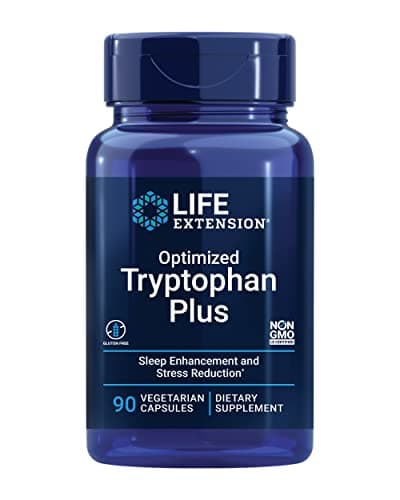
Life Extension Optimized Tryptophan Plus 1000mg - L-Tryptophan…

NADH 5mg - SuperSmart | Reduced Nicotinamide Adenine…
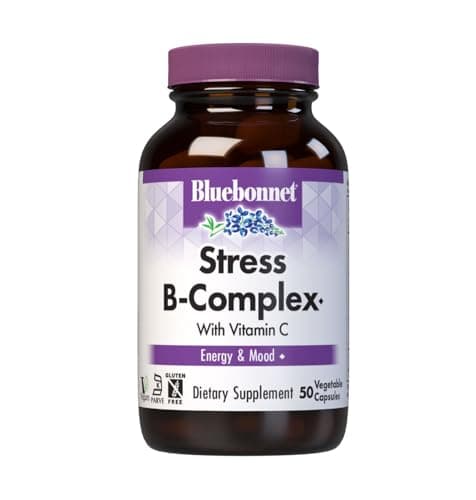
BlueBonnet Stress Vitamin B Complex for Women & Men - Daily…
ZYVA Liposomal NMN Supplement 500mg – Supports Healthy NAD+…
BulkSupplements.com Flush Free Niacin Powder - as Inositol…
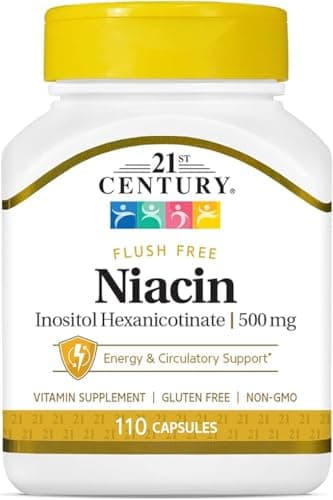
21st Century, Niacin Inositol Hexanicotinate, 500 mg, 4Pack…
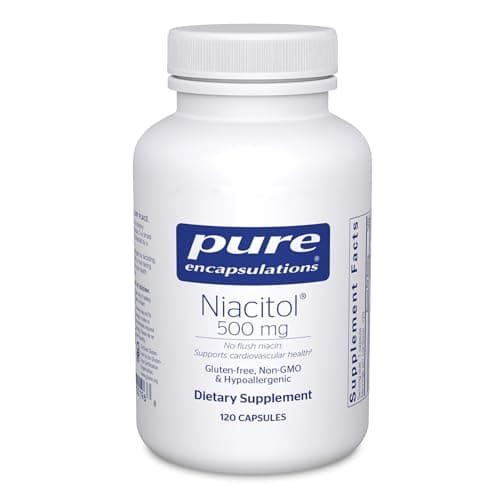
Pure Encapsulations Niacitol 500 mg | Hypoallergenic No-Flush…
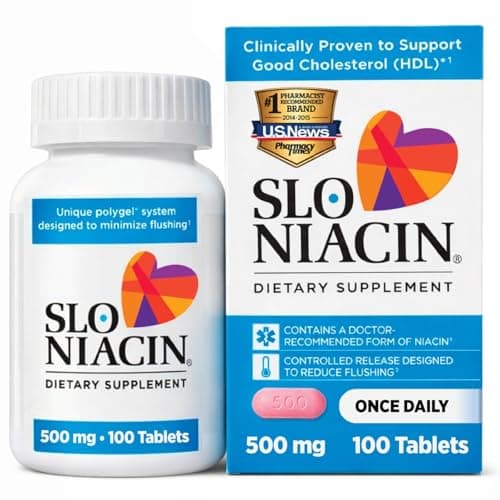
Slo-Niacin Slow Release Niacin 500mg – Vitamin B3 Supplement…
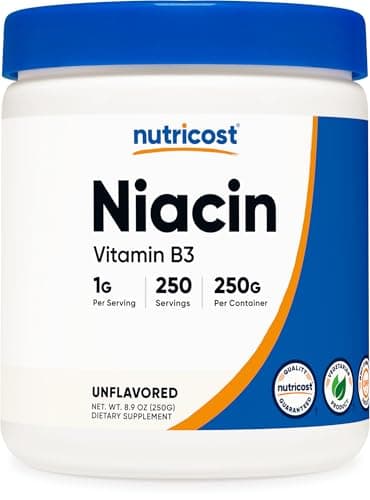
Nutricost Niacin Vitamin B3 Powder 250 Grams - 1G Per Serving…
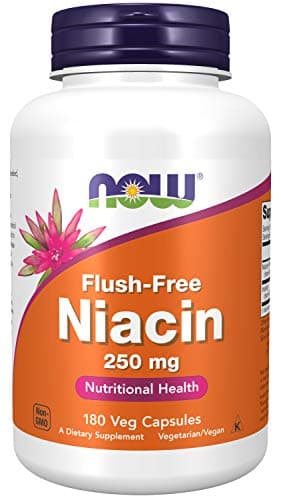

Allergy Research Group ARG Niacin with Vitamin B3-250 mg…

ENDUR-ACIN - Niacin B3 - ER (Extended Release) 250 mg…

ENDUR-ACIN - Niacin B3 - ER (Extended Release) 250 mg…
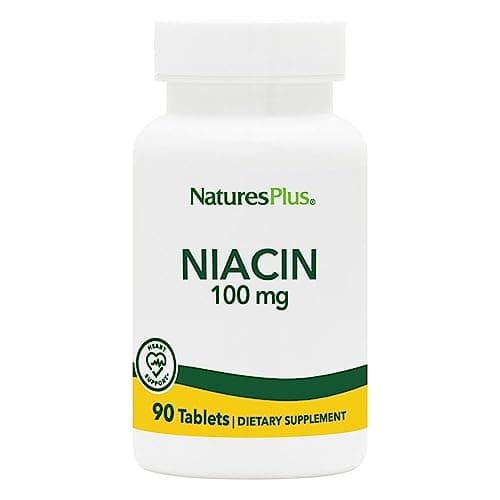
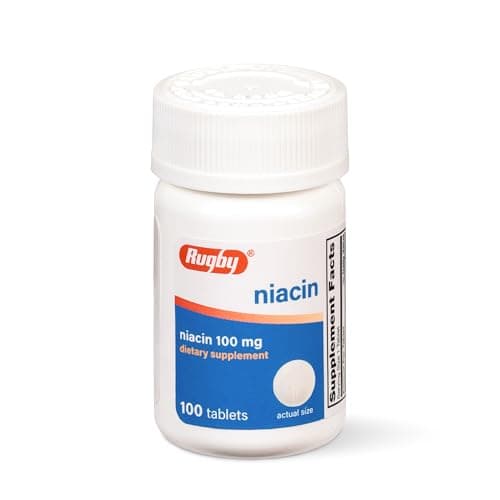
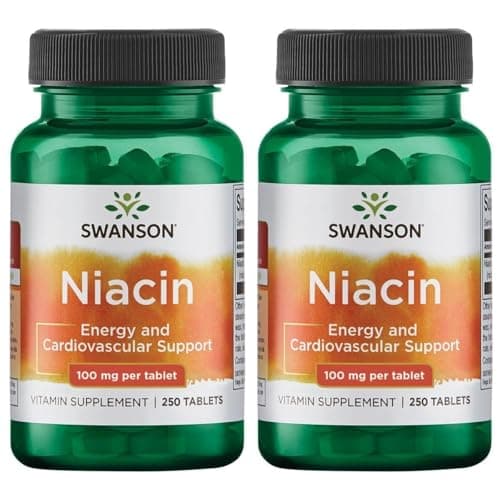
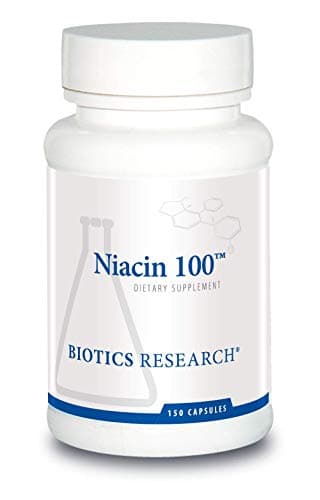

Endurance Products Endur Plain Niacin (Nicotinic Acid)
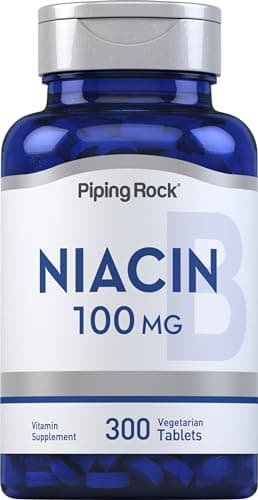
Piping Rock Niacin Supplement 100mg | 300 Tablets | Vitamin B3…
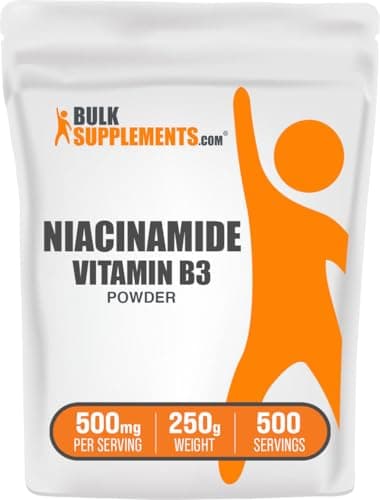
BulkSupplements.com Niacinamide Powder - Vitamin B3 Powder
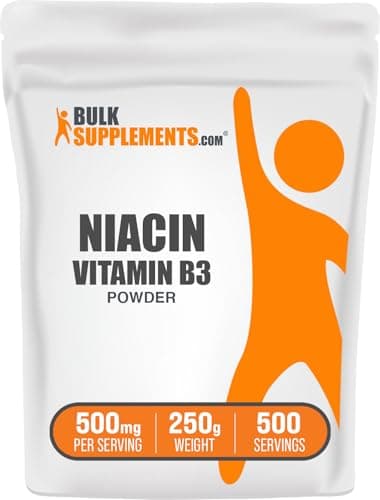
BulkSupplements.com Niacin Powder - Vitamin B3 Supplement
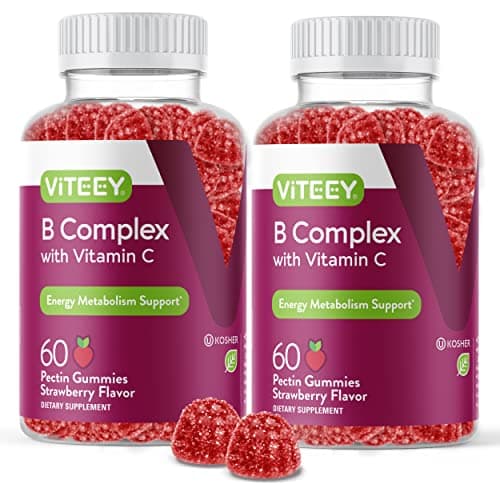
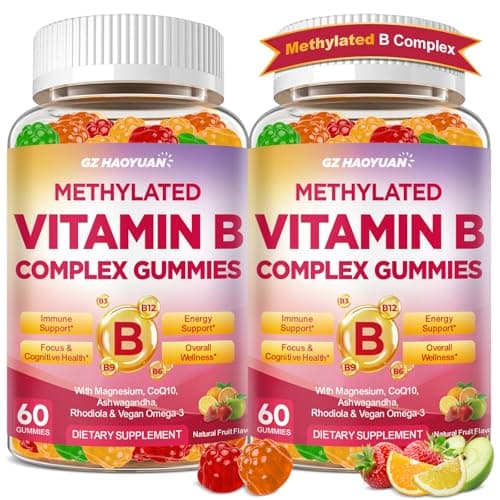
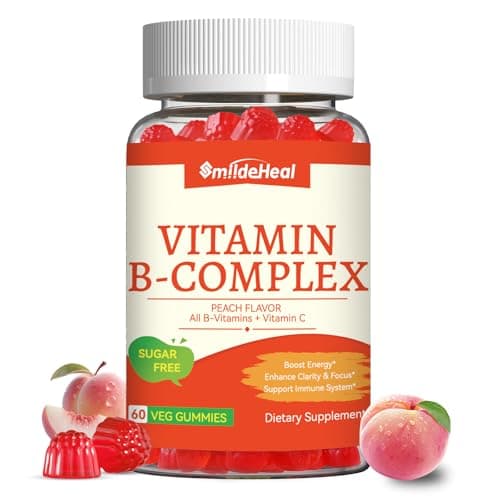
Vitamin B Complex Gummies for Women & Men - Vitamin B12, B1…
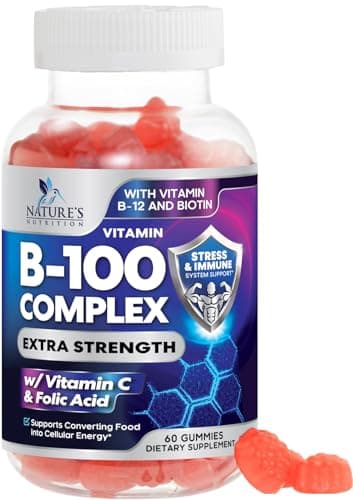
Vitamin B Complex Gummies - Extra Strength Super B Vitamin…
Every Vitamin B3 (Niacin) deal above is ranked by real cost per dose with no paid placement — see our and .
2 of 53 tracked Vitamin B3 (Niacin) brands here are flagged as carrying independent third-party testing — a voluntary check of a product's identity, potency and contaminants by an outside lab. It's a quality signal, not a value or efficacy claim. Confirm any brand's current status on the official registries:
Testing status is self-reported by the brand or drawn from public certification and may change — always verify on the official registry before purchase.
The , in mg niacin equivalents (NE), is 16 mg NE for men and 14 mg NE for women age 19+. Children: 6 mg NE (1-3y), 8 mg NE (4-8y), 12 mg NE (9-13y), 16 (boys)/14 (girls) mg NE at 14-18y. Pregnancy is 18 mg NE; lactation 17 mg NE. — per the NIH Office of Dietary Supplements; general information, not medical advice.
Yes. The for supplemental niacin is 35 mg for adults 19+ (30 mg at 14-18y). 30-50 mg or more nicotinic acid typically causes flushing with burning, tingling, itching. Pharmacologic doses of 1,000-3,000 mg/day can cause hypotension, impaired glucose tolerance, GI effects, and hepatotoxicity. — per the NIH Office of Dietary Supplements; general information, not medical advice.
Severe deficiency causes pellagra: a pigmented rash or brown discoloration on sun-exposed skin with a roughened, sunburned appearance; a bright red tongue; vomiting, constipation, or diarrhea. Neurological signs include depression, apathy, headache, fatigue, memory loss, and hallucinations. As it progresses, anorexia develops and the person eventually dies. — per the NIH Office of Dietary Supplements; general information, not medical advice.
Groups at risk of inadequacy: people with undernutrition (poverty, anorexia, alcohol use disorder, AIDS, inflammatory bowel disease, or liver cirrhosis); people with inadequate riboflavin, pyridoxine (B6), or iron intakes; people with Hartnup disease; and people with carcinoid syndrome. — per the NIH Office of Dietary Supplements; general information, not medical advice.
We link primary sources and paraphrase their findings — never copy their text, tables, or images. Cost-per-dose figures are our own first-party catalog data.
No adverse effects have been reported from the consumption of naturally occurring niacin in foods, but high intakes of nicotinic acid and nicotinamide taken as a supplement or medication can cause adverse effects. Thirty to 50 mg or more of nicotinic acid typically causes flushing—reddening of the skin on the face, arms, and chest with burning, tingling, and itching—which is considered an unpleasant rather than toxic side effect but can be accompanied by more serious signs such as headache, rash, dizziness, and a decrease in blood pressure — per the NIH Office of Dietary Supplements.
Yes. Isoniazid and pyrazinamide (TB drugs) interrupt niacin production from tryptophan and can cause pellagra. Large doses of nicotinic acid can raise blood glucose; doses of 1.5 g/day or more are most likely to do so, so people on antidiabetes medications taking high-dose nicotinic acid should have blood glucose monitored. — per the NIH Office of Dietary Supplements; general information, not medical advice.
The cheapest vitamin b3 (niacin) we track works out to $0.03 , against a typical $0.13 across the 90 we can price per dose — about $1.00 a month at the cheapest. That is real from live Amazon US prices, not the sticker price. The full ranking is on the Best Vitamin B3 (Niacin) page.
Piping Rock Niacin Supplement 100mg | 300 | Vitamin B3 for Men and Women… at $0.03 — the lowest cost-per-dose vitamin b3 (niacin) in our catalog. See the full ranking on the Best Vitamin B3 (Niacin) page.
We're tracking 134 active Vitamin B3 (Niacin) deals across Amazon US and partner retailers, ranked by community votes and cost-per-dose — not paid placement.
Across the 90 Vitamin B3 (Niacin) deals we can price per dose (combination products are left out — their single label dose belongs to whichever ingredient the product is built around) the median cost-per-dose is $0.131; the cheapest quartile comes in under $0.073 . Anything below the median is a solid deal for the same molecule.
Deals are submitted by the community and ranked by net votes (hot minus cold) plus cost-per-dose normalised across container sizes. We take no affiliate kickbacks for ordering; sponsored slots, when present, are clearly badged.
The is 14–16 mg/day, easily met by diet. Gram-level niacin is used clinically to shift cholesterol but has real side effects (flushing, liver, blood sugar) and should only be taken under medical supervision — not as a self-prescribed dose.
No adverse effects have been reported from the consumption of naturally occurring niacin in foods, but high intakes of nicotinic acid and nicotinamide taken as a supplement or medication can cause adverse effects. Thirty to 50 mg or more of nicotinic acid typically causes flushing—reddening of the skin on the face, arms, and chest with burning, tingling, and itching—which is considered an unpleasant rather than toxic side effect but can be accompanied by more serious signs such as headache, rash, dizziness, and a decrease in blood pressure — per the NIH Office of Dietary Supplements.
Severe niacin deficiency leads to pellagra, characterized by a pigmented rash on sun-exposed skin, a bright red tongue, digestive changes such as vomiting, constipation or diarrhea, and neurological symptoms including depression, apathy, headache, fatigue, and memory loss; as it progresses, anorexia develops and the affected individual eventually dies. Although pellagra is very rare in the United States, groups most likely to have inadequate niacin status include people who are undernourished (due to poverty, anorexia, alcohol use disorder, AIDS, inflammatory bowel disease, or liver cirrhosis), people with inadequate riboflavin, pyridoxine (B6), or iron intakes (which reduce tryptophan-to-niacin conversion), and people with Hartnup disease or carcinoid syndrome — per the NIH Office of Dietary Supplements.
Niacin is present in a wide variety of foods. Many animal-based foods—including poultry, beef, and fish—provide about 5–10 mg niacin in the highly forms of NAD and NADP, while plant-based foods such as nuts, legumes, and grains provide about 2–5 mg per serving, mainly as nicotinic acid; the niacin in some grain products is only about 30% bioavailable. Among the richest listed sources are beef liver (14.9 mg per 3 ounces), chicken breast and turkey breast (about 10 mg per 3 ounces), and salmon and tuna (8.6 mg per 3 ounces), and many U.S. breads, cereals, and infant formulas contain added niacin in its free, highly bioavailable form — per the NIH Office of Dietary Supplements.
Dosage, upper-limit, deficiency, food-source and interaction facts are sourced from the NIH Office of Dietary Supplements Vitamin B3 (Niacin) fact sheet. General information, not medical advice.