
Evereith Nattokinase 10800 FU Supplement with Ubiquinol CoQ10…
EvereithAmazon.com
$0.42/serving
$24.950°
vitamin · 90 active deals
The best-value Vitamin K2 right now is about $0.02 per dose — across the 42 we can price per dose the median is $0.121/dose, so shopping on cost-per-dose can cut your cost several-fold. Every Vitamin K2 deal here is ranked by cost per dose — what you actually pay per serving, not the sticker price — because forms and absorption differ, so the cheapest bottle isn’t always the cheapest dose.
Prices checked · live from the Amazon US catalog.
Right now the best value across our full Vitamin K2 catalog is at $0.02 per serving.
Recommended daily intake
No established upper limit; MK-7 is the long-acting form. Caution with blood thinners. General FDA/NIH adult guidance — not medical advice.
Vitamin K is a fat-soluble vitamin that functions as a coenzyme for vitamin K-dependent carboxylase, an enzyme required for the synthesis of proteins involved in hemostasis (blood clotting) and bone metabolism, among other physiological functions; for example, prothrombin is a vitamin K-dependent clotting protein, and osteocalcin and matrix Gla-protein are vitamin K-dependent proteins involved in bone and in the regulation of calcification. It has been studied for a possible role in bone health and osteoporosis: some, but not all, studies link higher vitamin K intakes with higher bone mineral density and/or lower hip fracture incidence, and the NIH notes it is unclear whether supplementation with any form of vitamin K reduces the risk of osteoporosis, since trial results are mixed and may be influenced by co-administered vitamin D and calcium. It has also been studied for a possible role in coronary heart disease through vascular calcification, but the NIH states that the role of the different forms of vitamin K on arterial calcification and coronary heart disease risk is unclear and remains an active area of research. FDA has not authorized a health claim for vitamin K in the United States — per the NIH Office of Dietary Supplements; not medical advice.
Several forms of vitamin K are used in dietary supplements, including vitamin K1 as phylloquinone or phytonadione (a synthetic form of vitamin K1) and vitamin K2 as the menaquinones MK-4 or MK-7; menadione (sometimes called vitamin K3) is another synthetic form but is no longer used in supplements or fortified foods after laboratory studies showed it could damage liver cells. The NIH states that few data are available on the relative bioavailability of the various forms of vitamin K supplements. One study found that both phytonadione and MK-7 supplements are well absorbed, but MK-7 has a longer half-life.
Food sources of phylloquinone (vitamin K1) include vegetables — especially green leafy vegetables — vegetable oils, and some fruits, while meat, dairy foods, and eggs contain low levels of phylloquinone but modest amounts of menaquinones, and natto (fermented soybeans) has high amounts of menaquinones. The most common sources in the U.S. diet are spinach, broccoli, iceberg lettuce, and fats and oils, particularly soybean and canola oil; among the richest are natto, collards, turnip greens, spinach, kale, and broccoli — per the NIH Office of Dietary Supplements.
Clinically significant vitamin K deficiency in adults is very rare and is usually limited to people with malabsorption disorders (such as cystic fibrosis, celiac disease, ulcerative colitis, or short bowel syndrome) or those taking drugs that interfere with vitamin K metabolism; newborns not treated with vitamin K at birth are also at risk because placental transfer is poor. Bleeding and hemorrhage are the classic signs of deficiency, occurring only in severe cases, and in infants it can cause vitamin K deficiency bleeding (VKDB) — per the NIH Office of Dietary Supplements.
Vitamin K2 is fat-soluble — take it with a meal containing fat. It is commonly taken alongside vitamin D3, and the two are often sold together.
Important: vitamin K interacts with warfarin and other blood thinners. If you take an anticoagulant, do not start K2 without your clinician’s guidance, and keep your intake consistent.
General guidance on timing and absorption, not medical advice. Check with a clinician about your medications and conditions.
Evereith Nattokinase 10800 FU Supplement with Ubiquinol CoQ10…


Resilia Odorless Aged Garlic Softgels (60 Count) | 1200mg Aged…

Liposomal Strontium Citrate 680mg Supplement – High Absorption…

Liposomal Strontium Citrate 680mg Supplement – High Absorption…

Micro Ingredients Vitamin D3 K2 MK-7 10,000 IU Per Serving

Resilia Odorless Aged Garlic Extract Softgels (120 Count)…
Resilia Odorless Aged Garlic Extract Softgels (120 Count)…

Liposomal Strontium Citrate 680mg Supplement – High Absorption…

Nature's Truth Vitamin K2 MK-7 | 100 mcg | 180 Softgels


Superior Source Vitamin K2 MK-7 (Menaquinone-7) 100 mcg - Bone…

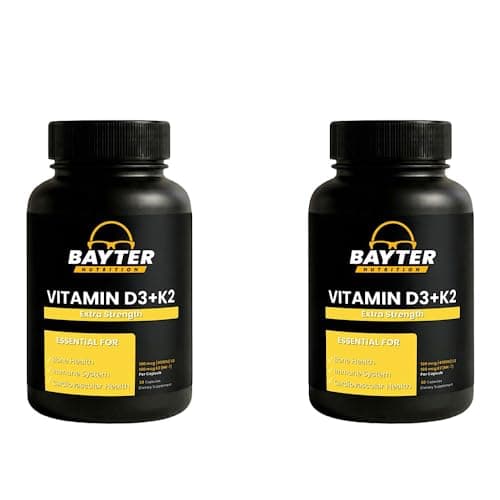
Extra Strength Vitamin D3+K2 - Vitamin D 4000 IU (100mcg)…
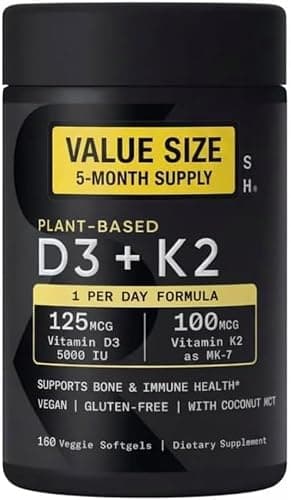
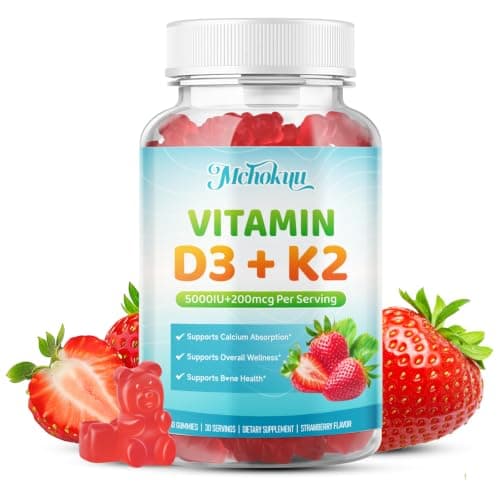
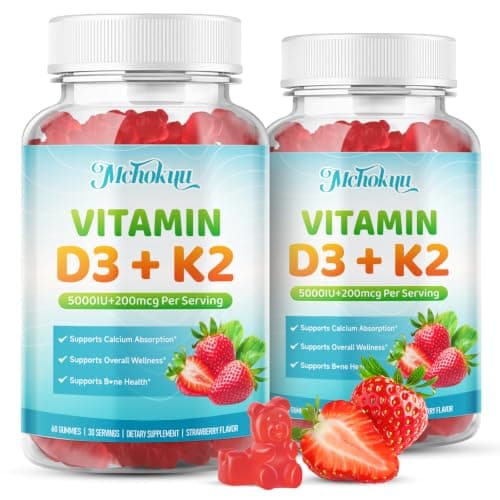
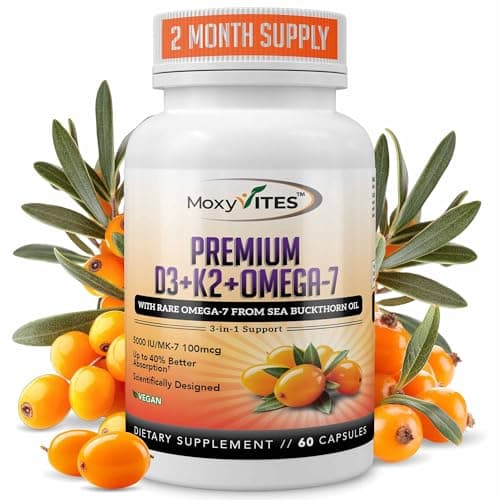
MoxyVites Vitamin D3 K2 5000 IU – High Absorption D3 + K2 MK-7…
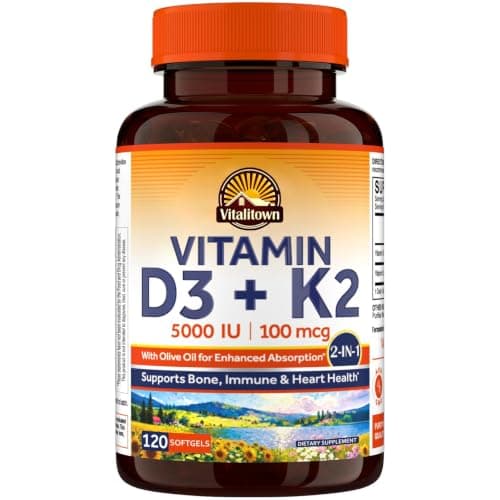
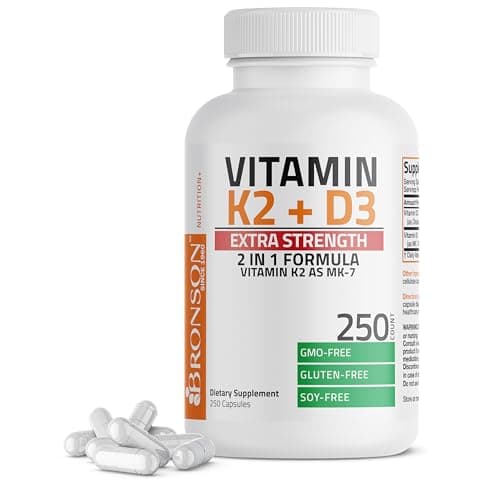
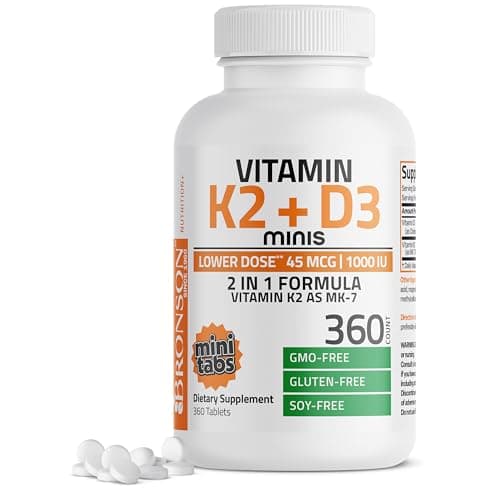
Vitamin K2 (MK7) with D3 Lower Dose 45mcg Vitamin K2 & 1000 IU…
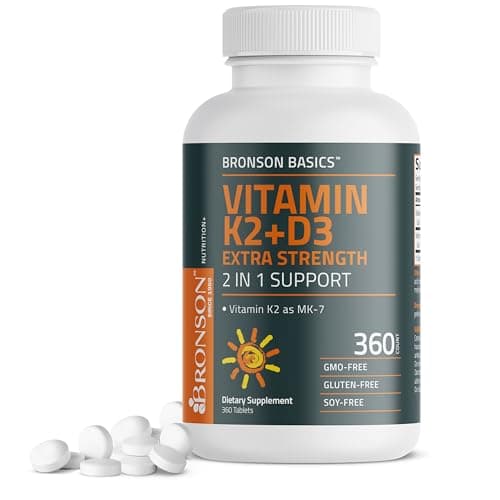
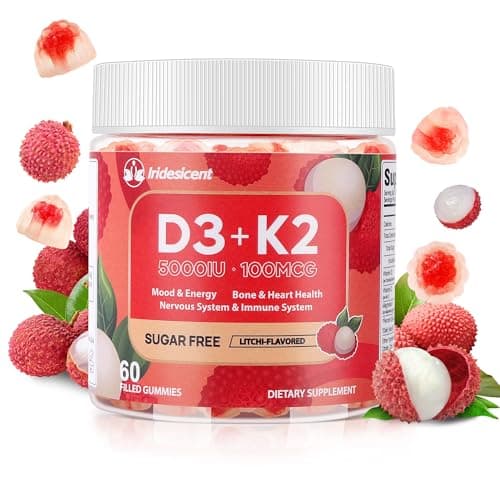
Vitamin D3 K2 Gummies Sugar Free - 60 Count | 5,000 IU Vitamin…
Every Vitamin K2 deal above is ranked by real cost per dose with no paid placement — see our and .
Independent third-party testing is a voluntary check of a product's identity, potency and contaminants by an outside lab. It's a quality signal, not a value or efficacy claim. Confirm any brand's current status on the official registries:
Testing status is self-reported by the brand or drawn from public certification and may change — always verify on the official registry before purchase.
There is no ; the Food and Nutrition Board set Adequate Intakes (AIs). For adults 19+, the AI is 120 mcg for men and 90 mcg for women (including during pregnancy and lactation). Teens 14–18 get 75 mcg. Children: 30 mcg (1–3), 55 mcg (4–8), 60 mcg (9–13). Infants: 2.0 mcg (0–6 months), 2.5 mcg (7–12 months). — per the NIH Office of Dietary Supplements; general information, not medical advice.
The Food and Nutrition Board did not establish a (UL) for vitamin K because of its low potential for toxicity. The Board stated that no adverse effects associated with vitamin K consumption from food or supplements have been reported in humans or animals. — per the NIH Office of Dietary Supplements; general information, not medical advice.
Deficiency is considered clinically relevant only when prothrombin time increases significantly. Bleeding and hemorrhage are the classic signs, occurring only in severe cases. Because vitamin K is required for carboxylation of osteocalcin in bone, deficiency could also reduce bone mineralization and contribute to osteoporosis. Clinically significant deficiency in adults is very rare. — per the NIH Office of Dietary Supplements; general information, not medical advice.
Two groups are most likely to have inadequate vitamin K status: newborns not treated with vitamin K at birth (poor placental transport raises risk of vitamin K deficiency bleeding), and people with malabsorption disorders such as cystic fibrosis, celiac disease, ulcerative colitis, and short bowel syndrome. Status can also be low after bariatric surgery. — per the NIH Office of Dietary Supplements; general information, not medical advice.
We link primary sources and paraphrase their findings — never copy their text, tables, or images. Cost-per-dose figures are our own first-party catalog data.
The Food and Nutrition Board did not establish a Tolerable Upper Intake Level (UL) for vitamin K because of its low potential for toxicity, stating that "no adverse effects associated with vitamin K consumption from food or supplements have been reported in humans or animals" — per the NIH Office of Dietary Supplements.
Yes. Vitamin K can have a serious interaction with anticoagulants like warfarin (Coumadin), so consistent intake is needed. Antibiotics, especially cephalosporins, may lower vitamin K status. Bile acid sequestrants (cholestyramine, colestipol) and the weight-loss drug orlistat can reduce its absorption. Discuss your vitamin K status with your health care provider. — per the NIH Office of Dietary Supplements; general information, not medical advice.
The cheapest vitamin k2 we track works out to $0.02 , against a typical $0.12 across the 42 we can price per dose — about $0.46 a month at the cheapest. That is real from live Amazon US prices, not the sticker price. The full ranking is on the Best Vitamin K2 page.
BulkSupplements.com Vitamin K2 Powder - Vitamin K2 , as Menaquinone Powder… at $0.02 — the lowest cost-per-dose vitamin k2 in our catalog. See the full ranking on the Best Vitamin K2 page.
We're tracking 90 active Vitamin K2 deals across Amazon US and partner retailers, ranked by community votes and cost-per-dose — not paid placement.
Across the 42 Vitamin K2 deals we can price per dose (combination products are left out — their single label dose belongs to whichever ingredient the product is built around) the median cost-per-dose is $0.121; the cheapest quartile comes in under $0.075 . Anything below the median is a solid deal for the same molecule.
Deals are submitted by the community and ranked by net votes (hot minus cold) plus cost-per-dose normalised across container sizes. We take no affiliate kickbacks for ordering; sponsored slots, when present, are clearly badged.
Most K2 supplements provide 90–120 mcg/day, usually as the well-absorbed form. It's fat-soluble, so take it with a meal — and it's commonly paired with vitamin D3. If you take a blood thinner like warfarin, talk to your doctor first, because vitamin K affects how it works. General reference, not medical advice.
The Food and Nutrition Board did not establish a (UL) for vitamin K because of its low potential for toxicity, stating that "no adverse effects associated with vitamin K consumption from food or supplements have been reported in humans or animals" — per the NIH Office of Dietary Supplements.
Clinically significant vitamin K deficiency in adults is very rare and is usually limited to people with malabsorption disorders (such as cystic fibrosis, celiac disease, ulcerative colitis, or short bowel syndrome) or those taking drugs that interfere with vitamin K metabolism; newborns not treated with vitamin K at birth are also at risk because placental transfer is poor. Bleeding and hemorrhage are the classic signs of deficiency, occurring only in severe cases, and in infants it can cause vitamin K deficiency bleeding (VKDB) — per the NIH Office of Dietary Supplements.
Food sources of phylloquinone (vitamin K1) include vegetables — especially green leafy vegetables — vegetable oils, and some fruits, while meat, dairy foods, and eggs contain low levels of phylloquinone but modest amounts of menaquinones, and natto (fermented soybeans) has high amounts of menaquinones. The most common sources in the U.S. diet are spinach, broccoli, iceberg lettuce, and fats and oils, particularly soybean and canola oil; among the richest are natto, collards, turnip greens, spinach, kale, and broccoli — per the NIH Office of Dietary Supplements.
Dosage, upper-limit, deficiency, food-source and interaction facts are sourced from the NIH Office of Dietary Supplements Vitamin K2 fact sheet. General information, not medical advice.