Prenatal Vitamins Without Iron: Who They're For (and What to Compare)
Quick answer
Iron-free prenatals exist mainly for people who can't tolerate iron (nausea, constipation) or who already take iron separately — it's a clinician-led choice, not a default. Most pregnancies need about 27 mg of iron per day, so going iron-free usually means adding iron back some other way. If you do compare iron-free prenatals, price the whole regimen (prenatal plus any separate iron) per serving, not just the bottle.
Alex Soto, Founder, VitaminDB
5 min readUpdated 7/9/2026 NIH-sourced
On this page
The short version
"Prenatal without iron" is a real and reasonable search — but it's a medical fit, not a value upgrade. Iron is the ingredient most likely to cause the nausea and constipation people associate with prenatals, so some are steered toward a low- or no-iron formula. The catch: most pregnancies actually need the iron, so going without usually means getting it another way.
Why iron is in prenatals in the first place
Pregnancy roughly doubles iron requirements — about 27 mg per day, per the NIH Office of Dietary Supplements. Iron deficiency is one of the more common issues in pregnancy, which is exactly why nearly every standard prenatal includes it. So iron isn't padding — it's usually one of the reasons to take a prenatal at all.
Who reasonably chooses iron-free
This is a conversation to have with your obstetric provider, but the usual reasons are:
- Iron intolerance — constipation or nausea bad enough to affect adherence, sometimes managed by moving iron to a separate, better-tolerated form or a different time of day.
- Already supplementing iron — some people take a dedicated iron supplement (sometimes a gentler form) and want a prenatal that won't double up.
- Clinician-managed iron levels — where a provider is deliberately controlling iron intake.
Notice the theme: in every case, iron is being handled elsewhere, not simply dropped.
How to compare without fooling yourself
Here's the value trap. An iron-free prenatal can look cheaper on the shelf, but if your clinician still wants you on iron, your real cost is:
iron-free prenatal + a separate iron supplement, per day
…which is frequently more than a single all-in-one prenatal that already includes iron. So compare the complete regimen per serving, not the bottle price.
The same label-reading rules from the main guide apply — confirm folate, iodine, vitamin D and (if you want it) DHA are still present, since a formula that drops iron shouldn't also quietly drop the essentials. See the full checklist in Prenatal Vitamins: What Actually Matters.
The bottom line
Choose iron-free only with your provider, and only with a plan for how you'll still get iron. Then compare on total cost per serving for the complete regimen. To see current prenatals ranked by real cost per dose (iron-containing and otherwise), start here: best prenatal vitamins by cost per dose.
This is general information, not medical advice. Iron needs in pregnancy are individual and iron deficiency is common — decide with your obstetric provider, not a web page.
Covered nutrients: Prenatal Vitamin
See the live cost-per-dose data
This guide is editorial — the prices below are real and current.
Frequently asked questions
Why would a prenatal vitamin not have iron?
Iron is the nutrient most likely to cause digestive side effects — constipation and nausea — so some people are advised toward a low- or no-iron prenatal, particularly early in pregnancy when nausea is worst, or when they already take a separate iron supplement or have iron levels that are being managed by a clinician. It is a specific decision, not a general upgrade.
Is it safe to take a prenatal without iron?
That depends entirely on your iron status and your pregnancy, which is why it's a clinician-led decision. Most pregnancies need roughly 27 mg of iron per day (per NIH ODS), and iron deficiency is common in pregnancy, so dropping iron without a plan to get it elsewhere can be a problem. Never switch to an iron-free prenatal to avoid side effects without checking with your provider first.
Are iron-free prenatals cheaper?
Not necessarily — and the sticker price is misleading if you then buy iron separately. If your clinician wants you on iron, the honest comparison is the cost of the iron-free prenatal plus a separate iron supplement, per day, versus an all-in-one prenatal that already includes iron.
Where these numbers come from
Cost figures on this page are computed from 38 active Prenatal Vitamin listings we track, last re-priced . Cost per dose is price ÷ (servings × dose), computed per listing — not a price we are quoted. Listings under $1 or with fewer than 3 servings are excluded, because both are usually a parse error rather than a bargain.
- Amazon.com · 38
Prices move. Figures written into the text are re-checked against live data on a schedule; the ranking pages are always the current number.
Sources
Health claims on this page are drawn from these sources. Prices and cost-per-dose figures come from our own tracked listings, not from the sources below.
- 1.Multivitamin/Mineral Supplements: Fact Sheet for Health Professionals — NIH Office of Dietary Supplements
- 2.Folate: Fact Sheet for Health Professionals — NIH Office of Dietary Supplements
Deals on these nutrients
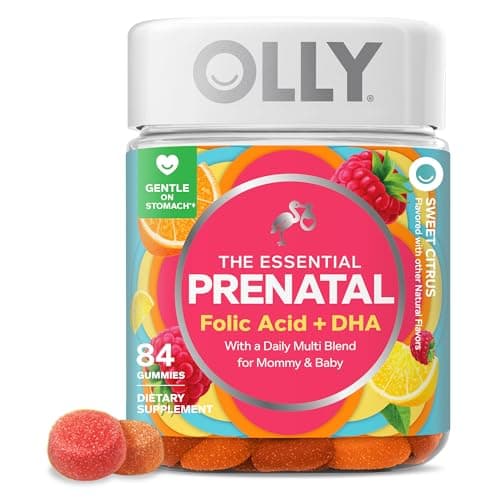
OLLY Prenatal Multivitamin Gummy
Cost per serving
$0.20
84 servings · ~84-day supply

vitafusion PreNatal Gummy Vitamins with Folate and DHA
Cost per serving
$0.11
90 servings · ~90-day supply

Nature Made Prenatal Vitamins for Women with Folic Acid + DHA
Cost per serving
$0.19
110 servings · ~110-day supply

Nature Made Prenatal Vitamins for Women with Folic Acid + DHA
Cost per serving
$0.26
60 servings · ~60-day supply
Related guides
Prenatal Vitamins: What Actually Matters (and the Cheapest per Serving)
A prenatal buyer's guide grounded in NIH figures: which nutrients matter (folate, iron, iodine, DHA, choline, vitamin D), why the cheapest bottle isn't always complete, and how to compare real cost per serving.
We Analyzed 3,397 Supplements: How Much You Overpay
We tracked 3,397 supplements across 194 nutrients. For the same nutrient at the same dose, cost per unit of active ingredient varies by a median of 7.3x — and up to about 34x. Here's why, and how to check any bottle in ten seconds.
Do You Need a Multivitamin? An Honest Buyer's Guide (and Cost per Serving)
Whether a daily multivitamin is worth it, what's actually inside one, when a single targeted supplement beats a multi, and how to compare real cost per serving instead of sticker price.
Creatine Cost Per Gram: Monohydrate vs "Advanced" Forms
Creatine monohydrate is the value and evidence winner. Compare cost per gram across 47 tracked listings and why "advanced" forms cost more.