Do You Need a Multivitamin? An Honest Buyer's Guide (and Cost per Serving)
Quick answer
Most people with a varied diet don't strictly need a multivitamin, but a basic one is cheap insurance and can help fill common gaps (vitamin D, B12, folate). If you're only low in one thing, a single targeted supplement is usually better value than a broad multi. Mainstream multivitamins cost roughly $0.03–$0.10 per serving, so the deciding factor is completeness and form, not price — compare on cost per serving, not the number on the bottle.
Alex Soto, Founder, VitaminDB
7 min readUpdated 7/9/2026 NIH-sourced
On this page
The honest answer first
A daily multivitamin is one of the most-bought supplements and one of the least necessary — for the average person with a varied diet. Large reviews haven't shown that a broad multi prevents major chronic disease. That doesn't make it useless: it's cheap insurance that fills common gaps, and for some people those gaps are real.
So the decision isn't "good or bad." It's: do I have a specific gap, and is a multi or a single supplement the better way to fill it?
When a multivitamin makes sense
A basic multivitamin is a reasonable buy if you:
- eat a restricted or low-variety diet (very low calorie, vegan/vegetarian, picky eating);
- are older, pregnant, or planning pregnancy (though pregnancy calls for a prenatal, not a general multi);
- want simple, broad, low-dose coverage in a single pill without managing several bottles.
The common gaps a multi helps with are vitamin D, B12, and folate, sometimes iron and iodine. If that describes you, a cheap multi does the job.
When a single supplement is the better buy
Here's where a lot of money gets wasted. If you're only low in one thing, a multivitamin is the expensive way to fix it — and it often under-doses that exact nutrient.
- Low on vitamin D? A dedicated D3 bottle costs pennies a day and lets you hit a real dose. See best vitamin D by cost per dose.
- Vegan and worried about B12? A single B12 supplement is cheaper and higher-dose than the trace amount in most multis. See vegan B12: which to buy.
- Want a broad B range? A B-complex is more targeted than a multi.
Rule of thumb: a multi for broad, shallow coverage; a single supplement for a specific, meaningful dose.
What's actually inside — and what to ignore
Start from what the category legally is: MVM supplements have no standard or regulatory definition — nothing dictates which nutrients they must contain, or in what amounts, per the NIH. That is why two bottles both labelled "multivitamin" are not comparable products, and why some "high potency" MVMs carry amounts substantially higher than the DV, RDA or even the Tolerable Upper Intake Level.
Most multivitamins contain the same commodity vitamins and minerals at low doses. When comparing labels:
- Confirm the nutrients you care about are present at a real dose. Many multis list a long ingredient panel where half the entries are token amounts.
- Check the form of the ones that matter. D3 (cholecalciferol) is preferred over D2 — see D3 vs D2. For folate, folic acid is efficient and well-studied — see folate vs folic acid vs methylfolate.
- Be wary of "proprietary blends" that hide per-ingredient amounts, and of premium botanicals that pad the price without adding proven value.
Cost per serving, honestly
Rough ranges to calibrate:
- Mainstream tablets/capsules: ~$0.03–$0.10 per serving. Excellent value; this is all most people need.
- Gummies: ~$0.10–$0.30 per serving, usually with fewer minerals (often no iron).
- Premium / "whole-food" / subscription: ~$0.50–$1.50+ per day. Rarely buys more health for a typical person.
Because a multivitamin is a commodity, price shouldn't be the thing that varies — yet it varies a lot. We keep a live ranking of what's on the market sorted by real cost per serving: best-value multivitamins by cost per dose.
The bottom line
If you have a specific, single gap, buy the single supplement — it's cheaper and better-dosed. If you want broad, low-dose insurance in one pill, a basic multivitamin is fine and should cost only a few cents per serving. Either way, don't pay a premium for a commodity: compare cost per serving and let the cheapest formula that contains what you want win.
See the live ranking: best multivitamins by cost per dose.
This is general information, not medical advice. If you think you're deficient in something, testing and a clinician's guidance beat guessing.
Covered nutrients: Multivitamin
See the live cost-per-dose data
This guide is editorial — the prices below are real and current.
Frequently asked questions
Does a multivitamin actually do anything?
For someone eating a reasonably varied diet, a multivitamin has not been shown to prevent major chronic disease, and the evidence for broad health benefits is weak. Where it helps is filling specific common gaps — vitamin D, B12, folate, sometimes iron — especially for restricted diets, older adults, pregnancy, or people who simply don't eat much variety. It's low-cost insurance, not a treatment.
Is it better to take a multivitamin or individual vitamins?
If you're low in just one or two nutrients, individual supplements are usually better value and let you control the dose — a bottle of vitamin D costs pennies per day and gives you exactly what you need. A multivitamin makes sense when you want broad, low-dose coverage in one pill and don't want to manage several bottles. Many multis also under-dose the nutrient you actually care about, so check the label.
How much should a multivitamin cost?
Mainstream multivitamins run about $0.03–$0.10 per serving; gummies and "premium" formulas cost more, sometimes $0.50–$1.50+ per day. Because a multi is a commodity for most people, paying up rarely buys more health — compare on cost per serving and let the cheapest formula that contains what you want win.
What should I look for on a multivitamin label?
Check that the nutrients you actually care about are present at a meaningful dose (many multis include token amounts), look at the form of key nutrients (e.g. D3 over D2, methylcobalamin or cyanocobalamin B12), and ignore long "proprietary blends" that hide amounts. Then compare cost per serving across the formulas that pass.
Where these numbers come from
Cost figures on this page are computed from 43 active Multivitamin listings we track, last re-priced . Cost per dose is price ÷ (servings × dose), computed per listing — not a price we are quoted. Listings under $1 or with fewer than 3 servings are excluded, because both are usually a parse error rather than a bargain.
- Amazon.com · 43
Prices move. Figures written into the text are re-checked against live data on a schedule; the ranking pages are always the current number.
Sources
Health claims on this page are drawn from these sources. Prices and cost-per-dose figures come from our own tracked listings, not from the sources below.
- 1.Multivitamin/Mineral Supplements: Fact Sheet for Health Professionals — NIH Office of Dietary Supplements
Deals on these nutrients

Centrum Silver Women's Multivitamin for Women 50 and Over
Cost per serving
$0.11
100 servings · ~100-day supply

OLLY Women's Multivitamin Gummy
Cost per serving
$0.13
130 servings · ~130-day supply
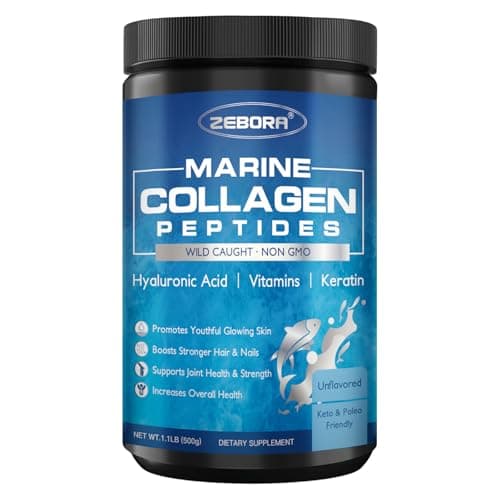
ZEBORA Marine Collagen Peptides Powder 50 Servings - Wild…
Cost per serving
$0.49
50 servings · ~50-day supply
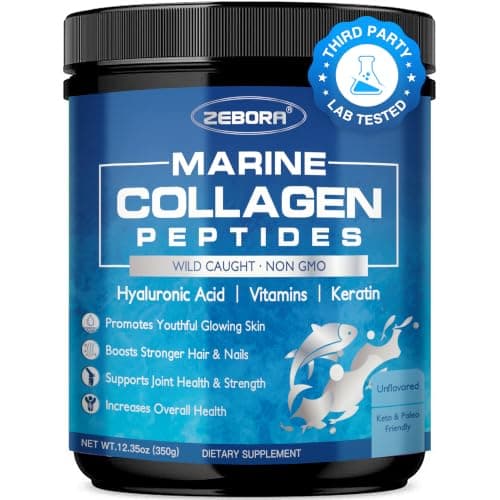
ZEBORA Marine Collagen Peptides Powder with Hyaluronic Acid
Cost per serving
$0.60
35 servings · ~35-day supply
Related guides
We Analyzed 3,397 Supplements: How Much You Overpay
We tracked 3,397 supplements across 194 nutrients. For the same nutrient at the same dose, cost per unit of active ingredient varies by a median of 7.3x — and up to about 34x. Here's why, and how to check any bottle in ten seconds.
Prenatal Vitamins: What Actually Matters (and the Cheapest per Serving)
A prenatal buyer's guide grounded in NIH figures: which nutrients matter (folate, iron, iodine, DHA, choline, vitamin D), why the cheapest bottle isn't always complete, and how to compare real cost per serving.
Prenatal Vitamins Without Iron: Who They're For (and What to Compare)
Why some people choose a low- or no-iron prenatal, why most pregnancies still need iron, how to read the label, and how to compare cost per serving without fooling yourself.
Creatine Cost Per Gram: Monohydrate vs "Advanced" Forms
Creatine monohydrate is the value and evidence winner. Compare cost per gram across 47 tracked listings and why "advanced" forms cost more.