Vegan Vitamin B12: Which Form to Buy and the Real Cost Per Dose
Quick answer
Almost all standalone vitamin B12 supplements are already vegan, because both common forms — cyanocobalamin and methylcobalamin — are made synthetically, not from animals. Cyanocobalamin is the cheapest, most-studied, and most shelf-stable option, while methylcobalamin is the pre-active form usually sold at a premium. Across the 126 active B12 listings VitaminDB tracks, cost per serving ranges from about $0.022 to $1.59 (a roughly 72x spread), with a median near $0.155 — so form matters far less to your wallet than picking a well-priced product.
Alex Soto, Founder, VitaminDB
6 min readUpdated 7/6/2026 NIH-sourced
On this page
Vitamin B12 is the one nutrient that vegans and many vegetarians almost always need to supplement. Reliable B12 comes almost entirely from animal foods or fortified products, so a plant-based diet leaves a real gap. The good news: buying "vegan B12" is simpler and cheaper than the label marketing suggests. Here's what actually matters when you choose a bottle.
Most B12 supplements are already vegan
Here's the part that surprises people. The B12 in the vast majority of standalone supplements — whether the label says cyanocobalamin or methylcobalamin — is produced synthetically, typically through microbial (bacterial) fermentation, not extracted from animals. So the "vegan" badge on many B12 products is often a labeling cue, not a different molecule.
That doesn't mean every product is automatically vegan. Watch for:
- Gel capsules made from gelatin (an animal product). Vegan versions use plant-based cellulose or "veggie caps."
- Combination products — a B-complex, a multivitamin, or a "gummy" — where other ingredients (like certain gelatins, or D3 from lanolin) may not be vegan.
- Sublingual lozenges and gummies that can include animal-derived binders or coloring.
If you're buying a plain B12 tablet or veggie capsule, you're very likely already getting a vegan product. The label may just charge you extra to say so out loud.
Cyanocobalamin vs methylcobalamin: the honest version
There are two forms you'll see most often, and the debate between them is smaller than the internet makes it sound.
- Cyanocobalamin is the synthetic workhorse: the cheapest, the most-studied, and the most shelf-stable. It's the form most used in research and what fortified foods usually contain. The body is generally able to convert it into the active forms it uses.
- Methylcobalamin is a pre-active form, meaning it's already in one of the shapes the body uses. It's marketed as more "bioavailable" or "natural" and is typically sold at a premium.
Evidence on whether methylcobalamin is meaningfully better for the average person is limited and mixed. For most people simply covering a plant-based dietary gap, cyanocobalamin is generally enough at a fraction of the price. Some clinicians prefer specific forms for specific situations, which is a conversation to have with a professional rather than a rule to apply from a blog.
We go deeper on the trade-offs in our methyl-vs-cyano comparison guide.
The real cost per dose
This is where a data-driven view beats guesswork. VitaminDB tracks 126 active B12 listings, and cost per serving ranges from about $0.022 to $1.59 — roughly a 72x spread — with a median around $0.151. (Figures as of 13 July 2026, recomputed after we quarantined mis-parsed rows that had inflated an earlier version of this range.)
Read that again: two bottles that both "give you B12" can differ in price per serving by more than 700 times. The form on the label (cyano vs methyl) is almost never what drives that gap — packaging, brand positioning, "vegan" marketing, gummy formats, and dose size do far more to the price. A plain cyanocobalamin tablet near the cheap end of that range delivers the same core nutrient as products costing many multiples more.
Because a single large oral dose is absorbed only partially, many B12 products are dosed far above the adult reference intake of ~2.4 mcg/day (a general reference value, not a personal prescription). A higher microgram number on the label can look impressive, but it doesn't automatically mean better value — or that you personally need that much. What you're really comparing is cost per dose for the form and format you'll actually take consistently.
To see current listings ranked by real cost per dose, check our best vitamin B12 by cost per dose page rather than trusting the price on any single bottle.
How to choose a vegan B12 without overpaying
A simple, honest checklist:
- Consider cyanocobalamin first unless a clinician has advised otherwise. It's cheap, stable, and well-studied.
- Confirm the capsule is plant-based (veggie cap or tablet) if strict vegan sourcing matters to you.
- Ignore the "vegan" price premium where you can — the molecule is usually synthetic either way.
- Compare cost per dose, not sticker price. A big bottle isn't cheaper if the per-serving cost is high.
- Don't over-index on huge microgram numbers. A larger dose isn't automatically better value or better for you.
Two facts from the NIH fact sheet are worth carrying into the purchase. Deficiency is often about absorption rather than intake — it can follow a lack of intrinsic factor or the prolonged use of certain medications, and specifically gastric acid inhibitors and metformin may affect vitamin B12 levels. And if you have been told injections are the only real option: the evidence, though of low quality, showed that high oral doses normalised serum B12 similarly to intramuscular B12.
Who should be more careful
B12 matters more for some people than others — and deficiency can be serious, with potentially lasting effects if left unaddressed. Long-term vegans and vegetarians, older adults, people with certain digestive conditions, and those on specific medications may all be at higher risk. If you've gone months or years without a reliable B12 source, or you have symptoms you're worried about, this is a medical question, not a shopping question.
We cover the higher-risk groups in more detail in our B12 deficiency guide. But testing and treatment for suspected deficiency should be handled by a clinician, who may recommend a form, dose, or delivery method (including injections) that's different from anything you'd pick off a shelf.
Bottom line
For most plant-based eaters, buying vegan B12 is refreshingly simple: an inexpensive cyanocobalamin tablet or veggie capsule can cover the dietary gap, and the "vegan" label is usually confirming what's already true rather than pointing to a special ingredient. The biggest mistake usually isn't choosing the "wrong" form — it's overpaying for a product that costs many times more per dose than an equivalent one. Compare on cost per dose, confirm the capsule is plant-based, and take it consistently.
This is general information, not medical advice. B12 deficiency can be serious — please talk to a clinician about whether, how much, and which form to supplement for your situation.
Covered nutrients: Vitamin B12 (Cobalamin)
See the live cost-per-dose data
This guide is editorial — the prices below are real and current.
Frequently asked questions
Is vitamin B12 vegan, or is it made from animals?
The B12 in most standalone supplements is made synthetically (typically via microbial/bacterial fermentation), not extracted from animals, so both cyanocobalamin and methylcobalamin are usually vegan-friendly molecules. The main things to check are the capsule (gelatin vs plant-based veggie cap) and any added ingredients in combination products like gummies or multivitamins. A plain B12 tablet or veggie capsule is very likely already vegan even without a 'vegan' badge.
Should vegans take cyanocobalamin or methylcobalamin?
For most people covering a plant-based dietary gap, cyanocobalamin is a sensible default: it's the cheapest, most-studied, and most shelf-stable form, and the body is generally able to convert it into the active forms it uses. Methylcobalamin is a pre-active form sold at a premium, and evidence that it's meaningfully better for the average person is limited and mixed. If you have a specific medical situation, ask a clinician which form fits — that's an individual decision, not a universal rule. This is general information, not medical advice.
How much does vegan B12 actually cost per dose?
Across the 126 active B12 listings VitaminDB tracks, cost per serving ranges from about $0.022 to $1.59 — roughly a 72x spread — with a median near $0.155. The form on the label rarely drives that gap; packaging, brand, format (like gummies), and 'vegan' marketing do more. That's why it's worth comparing products by real cost per dose rather than trusting any single bottle's price.
Where these numbers come from
Cost figures on this page are computed from 201 active Vitamin B12 (Cobalamin) listings we track, last re-priced . Cost per dose is price ÷ (servings × dose), computed per listing — not a price we are quoted. Listings under $1 or with fewer than 3 servings are excluded, because both are usually a parse error rather than a bargain.
- Amazon.com · 200
- SuperSmart · 1
Prices move. Figures written into the text are re-checked against live data on a schedule; the ranking pages are always the current number.
Sources
Health claims on this page are drawn from these sources. Prices and cost-per-dose figures come from our own tracked listings, not from the sources below.
- 1.Vitamin B12: Fact Sheet for Health Professionals — NIH Office of Dietary Supplements
Deals on these nutrients
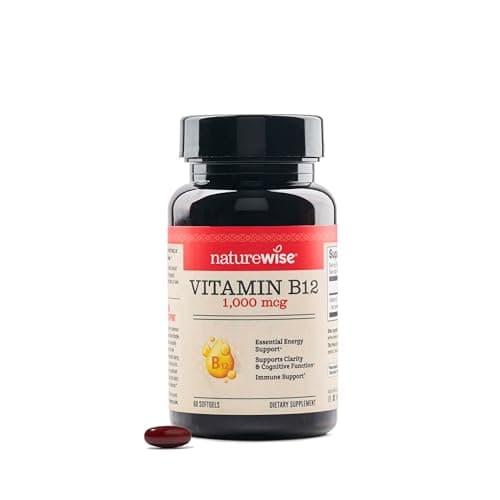
NatureWise Vitamin B12 1000 mcg - Dietary Supplement…
Cost per serving
$0.12
60 servings · ~60-day supply
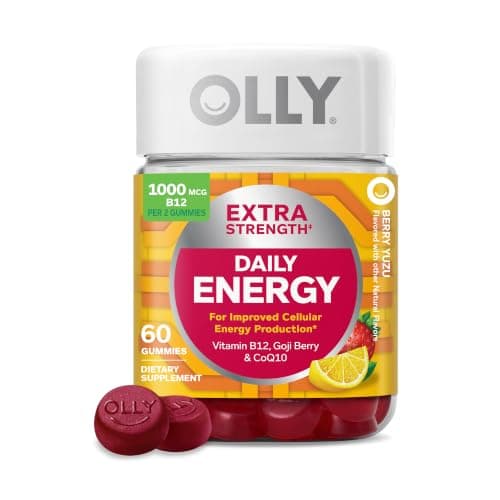
OLLY Extra Strength Daily Energy Gummy
Cost per serving
$0.26
60 servings · ~60-day supply
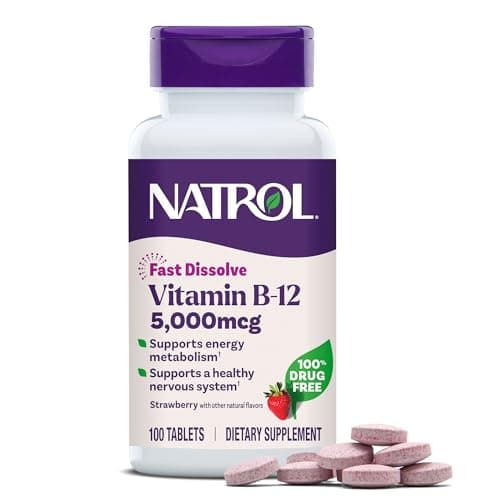
Natrol Vitamin B12 5000 mcg Fast Dissolve B12 Supplement
Cost per serving
$0.13
100 servings · ~100-day supply

Pure Encapsulations Methylcobalamin 1,000 mcg - Vitamin B12…
Cost per serving
$0.34
60 servings · ~60-day supply
Related guides
The Full GLP-1 Supplement Stack: What to Take & Cost Per Day
A cost-per-dose companion supplement stack for GLP-1 users (Ozempic/Mounjaro): protein, vitamin D, magnesium, B12, omega-3 — and the full daily cost.
Vitamin B12 deficiency: who's at risk, the warning signs, and how to fix it
B12 only comes from animal foods, so vegans, people over 50, and anyone on metformin or acid-reducing drugs are most at risk. Here are the symptoms (some can become permanent), the right tests, and how to correct it — oral, sublingual, or injection.
Vitamin B12: methylcobalamin vs cyanocobalamin, and who actually needs to care
The internet says methyl-B12 is the only 'natural' form and cyano is toxic. The evidence is more boring: both work for most people. Here's when the form genuinely matters.
We Analyzed 3,397 Supplements: How Much You Overpay
We tracked 3,397 supplements across 194 nutrients. For the same nutrient at the same dose, cost per unit of active ingredient varies by a median of 7.3x — and up to about 34x. Here's why, and how to check any bottle in ten seconds.