The Full GLP-1 Supplement Stack: What to Take & Cost Per Day
Quick answer
People on GLP-1 medications like semaglutide or tirzepatide most often discuss a companion stack of protein (to help preserve lean muscle as appetite drops), plus vitamin D, magnesium, vitamin B12, and omega-3. On VitaminDB's cheapest cost-per-dose options, the micronutrient portion can total well under ~$0.15/day, with protein (from ~$0.92 per ~30 g serving) as the larger line item. This is a value framework, not a prescription — the specifics belong to your prescriber and care team.
Alex Soto, Founder, VitaminDB
7 min readUpdated 7/4/2026 NIH-sourced
On this page
GLP-1 medications such as semaglutide (Ozempic, Wegovy) and tirzepatide (Mounjaro, Zepbound) work in large part by reducing appetite. That is the point — but a sharp drop in how much you eat has a side effect that is easy to overlook: it becomes harder to hit your protein and micronutrient targets, and some of the weight you lose can come from lean muscle rather than fat. That is why a "companion" supplement stack is one of the most commonly discussed topics among people on these drugs.
This guide walks through the nutrients that come up most often, why they are discussed, and what the whole thing costs per day using VitaminDB's cheapest cost-per-dose listing for each. Nothing here is a medical protocol. Think of it as a value framework you can bring to the person who actually prescribes and manages your medication.
Why a companion stack comes up at all
When appetite falls, total food intake falls with it — and protein is usually the first casualty because high-protein foods are filling and easy to skip when you are not hungry. Public-health and nutrition guidance generally emphasizes adequate protein and resistance activity during any rapid weight loss to help protect lean mass, and that logic is why muscle preservation is the headline concern for GLP-1 users specifically.
Smaller meals also mean less of everything else: fewer servings translates to less dietary vitamin D, magnesium, B12, and omega-3 fatty acids. None of these are unique to GLP-1 drugs — the NIH Office of Dietary Supplements notes that vitamin D and B12 shortfalls are common in the general population regardless — but eating less can widen an existing gap. Magnesium comes up for a different, more practical reason: GI complaints like constipation and cramps are among the more common tolerability issues people report, and magnesium is often discussed with those in mind.
For deeper background on the individual nutrients, we keep two companion pieces: our overview of the best supplements for GLP-1 users ranked by cost per dose and a focused look at vitamin D and GLP-1 medications.
The stack, nutrient by nutrient
Here is how each commonly-discussed nutrient maps to a reason and a cheapest cost-per-dose on VitaminDB. Prices change, so each row links to the live ranking rather than naming a brand.
- Protein (whey) — Why it's commonly discussed: Help preserve lean muscle as intake drops · Cheapest cost per dose: from ~$0.92 / serving (~30 g) · Listings: —
- Vitamin D — Why it's commonly discussed: Often low; intake falls with smaller meals · Cheapest cost per dose: from ~$0.01 / serving · Listings: 418
- Magnesium — Why it's commonly discussed: GI comfort — cramps, constipation · Cheapest cost per dose: from ~$0.031 / serving · Listings: 167
- Vitamin B12 — Why it's commonly discussed: Commonly low; less food = less intake · Cheapest cost per dose: from ~$0.024 / serving · Listings: 267
- Omega-3 — Why it's commonly discussed: General nutrition gap when eating less · Cheapest cost per dose: from ~$0.037 / serving · Listings: 75
A few notes on reading that table honestly. The doses shown are what products are commonly labeled at, not a dose anyone is prescribing you — vitamin D in particular is highly individual and is best guided by bloodwork your clinician orders. And "cheapest" is exactly that: the lowest cost-per-dose option in each category, which is a value signal, not a quality verdict.
Protein: the headline, and the big line item
If you take one thing from this guide, make it protein. It is both the most important nutrient for the muscle-preservation concern and, by a wide margin, the most expensive part of the stack. Whey starts from about $0.92 per ~30 g serving on our protein cost-per-dose rankings — many times the cost of any single micronutrient below it. Many people aim for more than one serving a day, so this is the line that actually moves your daily total. Food-first protein (eggs, dairy, fish, poultry) still counts and is often cheaper per gram; a shake is simply a convenient way to close the gap on a day when solid food feels like too much.
The micronutrients: cheap, and collectively small
Vitamin D, magnesium, B12, and omega-3 are the supporting cast. Individually they are inexpensive, and even combined they stay small relative to protein. Magnesium is worth a moment: different forms behave differently, and the citrate and oxide forms often discussed for constipation are not the same as the glycinate form people reach for around sleep or cramps. Our magnesium cost-per-dose rankings break the forms out so you can match the form to the reason rather than paying for the wrong one.
The full cost per day
Here is the quotable part. Built from the cheapest cost-per-dose option for each nutrient, the micronutrient portion of a daily GLP-1 companion stack — vitamin D, magnesium, B12, and omega-3 together — can total well under ~$0.15 per day. Protein is the larger line item, starting from ~$0.92 per ~30 g serving, which means the shake, not the pills, is what actually determines your daily spend.
Put another way: the four micronutrients combined cost a small fraction of a single protein serving. If your budget conversation is about the stack, it is really a conversation about how much protein you buy and how many servings you use. You can pressure-test all of this against live prices with our GLP-1 cost-per-dose tool, which pulls the cheapest current listing for each nutrient so the numbers here do not go stale on you.
To be clear about what these figures are and are not: they are the lowest available cost-per-dose on VitaminDB at the time of writing, not a recommended shopping list and not a claim that the cheapest option is the right one for you. They are meant to answer a single, narrow question — "roughly what does this cost?" — honestly.
What the evidence does and doesn't say
Two anchors from the NIH for the two nutrients most often mis-sold here. B12 deficiency frequently comes from absorption, including the prolonged use of certain medications — gastric acid inhibitors and metformin are named. And protein is a food-first problem: athletes who need more protein can get it from protein-containing foods and, if needed, supplements, with caution advised where intakes get high.
It is worth being plain about the state of the evidence. Bodies like the NIH Office of Dietary Supplements and NCCIH generally support the idea that adequate protein and correcting a genuine deficiency (say, low vitamin D or B12 confirmed on a blood test) are reasonable goals. What the evidence does not support is the idea that stacking supplements enhances how well a GLP-1 drug works, speeds fat loss, or is required for everyone on the medication. Research on supplements specifically in GLP-1 users is limited and still developing. Some of these nutrients may help with specific issues — magnesium is often discussed for constipation, for instance — but "often discussed for" is not the same as "proven to fix," and results are mixed and individual.
A supplement also cannot substitute for the things that most consistently protect muscle during weight loss: eating enough protein and doing some form of resistance activity. The pills around the edges are a hedge against a thinner diet, not a treatment.
How to think about it with your care team
A sensible way to use this page: bring the nutrient list and the cost figures to your prescriber or a registered dietitian, and let them tell you which of these actually apply to you, at what doses, and whether any interact with your other medications or conditions. Vitamin D and B12 in particular are worth confirming with bloodwork rather than guessing. Magnesium and omega-3 can interact with certain prescriptions. The value of a cost-per-dose framework is that once your care team tells you what to take, you can find the cheapest honest way to take it — and for most people, that means spending carefully on protein and barely noticing the rest.
This is general information, not medical advice — talk to a clinician before starting, stopping, or changing any supplement while on a GLP-1 medication.
Covered nutrients: Vitamin D3, Magnesium, Protein Powder, Vitamin B12 (Cobalamin), Omega-3 EPA/DHA
See the live cost-per-dose data
This guide is editorial — the prices below are real and current.
Frequently asked questions
Do I actually need supplements on Ozempic or Mounjaro?
Not automatically. The nutrients discussed for GLP-1 users — protein, vitamin D, magnesium, B12, omega-3 — matter because eating less can widen existing dietary gaps, especially in protein and lean-muscle preservation. Whether you personally need any of them, and at what dose, depends on your diet and bloodwork, which is a conversation for your prescriber or a dietitian. This is general information, not medical advice.
How much does a GLP-1 companion supplement stack cost per day?
Using VitaminDB's cheapest cost-per-dose option for each nutrient, the micronutrient portion — vitamin D, magnesium, B12, and omega-3 combined — can total well under about $0.15 per day. Protein is the larger line item, starting from roughly $0.92 per ~30 g whey serving, so how much protein you use is what really drives the daily total. Prices change, so check the live rankings before you buy.
Which supplement matters most for keeping muscle on GLP-1 medications?
Protein is the one most commonly emphasized, because rapid weight loss can take lean muscle along with fat and adequate protein is generally tied to preserving it. That said, supplements don't replace eating enough protein and doing resistance activity, and the evidence in GLP-1 users specifically is still limited. Discuss your protein target with your care team.
Where these numbers come from
Cost figures on this page are computed from 874 active Vitamin D3 / Magnesium / Protein Powder / Vitamin B12 (Cobalamin) / Omega-3 EPA/DHA listings we track, last re-priced . Cost per dose is price ÷ (servings × dose), computed per listing — not a price we are quoted. Listings under $1 or with fewer than 3 servings are excluded, because both are usually a parse error rather than a bargain.
- Amazon.com · 868
- SuperSmart · 6
Prices move. Figures written into the text are re-checked against live data on a schedule; the ranking pages are always the current number.
Sources
Health claims on this page are drawn from these sources. Prices and cost-per-dose figures come from our own tracked listings, not from the sources below.
- 1.Vitamin D: Fact Sheet for Health Professionals — NIH Office of Dietary Supplements
- 2.Magnesium: Fact Sheet for Health Professionals — NIH Office of Dietary Supplements
- 3.Dietary Supplements for Exercise and Athletic Performance: Fact Sheet for Health Professionals — NIH Office of Dietary Supplements
- 4.Vitamin B12: Fact Sheet for Health Professionals — NIH Office of Dietary Supplements
- 5.Omega-3 Fatty Acids: Fact Sheet for Health Professionals — NIH Office of Dietary Supplements
Deals on these nutrients

Totaria Magnesium Complex 700mg 12 in 1 Magnesium Supplement…
Cost per serving
$0.18
120 servings · ~120-day supply
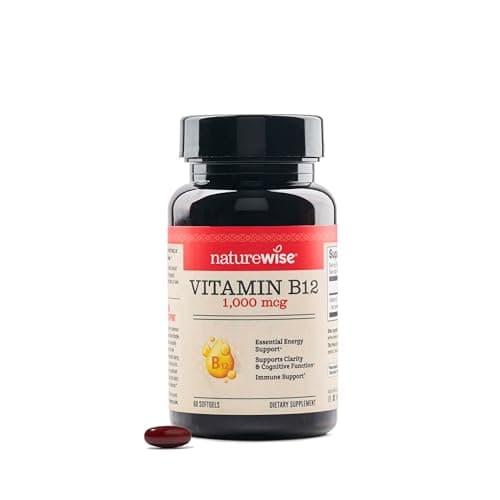
NatureWise Vitamin B12 1000 mcg - Dietary Supplement…
Cost per serving
$0.12
60 servings · ~60-day supply
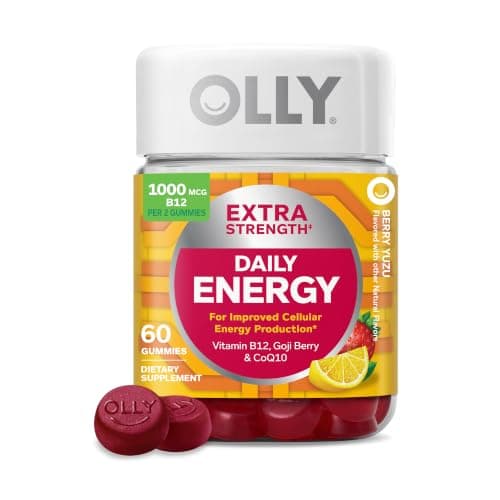
OLLY Extra Strength Daily Energy Gummy
Cost per serving
$0.26
60 servings · ~60-day supply
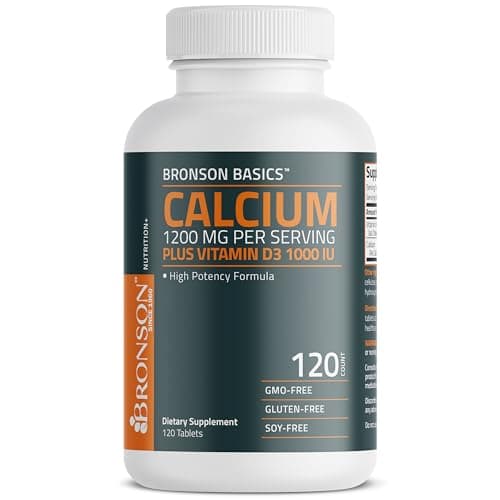
Bronson Calcium 1200mg Per Serving Plus Vitamin D3 1000 IU…
Cost per serving
$0.08
120 servings · ~120-day supply
Related guides
The cheapest supplements to support GLP-1s, by cost per dose
Protein, fibre, electrolytes and a few key vitamins are the supplements most often paired with GLP-1 medications. Review sites list a price and a dose but never divide the two — so here's the same list ranked the only way that tells you what you're really paying: cost per dose.
Third-party supplement testing explained: USP, NSF, Informed Sport and the rest
Supplements are not FDA-approved before sale, so third-party seals are the main independent check on what's actually in the bottle. Here's what USP, NSF, NSF Certified for Sport, Informed Sport and Informed Choice each test — and why 'GMP certified' is not the same thing.
What a supplement should cost per dose — and how to tell if you're overpaying
The sticker price on the bottle is the wrong number. Cost per dose — price ÷ servings ÷ active amount — is what you actually pay each day, and the same dose can cost many times more just depending on the brand.
Best time to take your supplements: a per-nutrient cheat sheet
Fat-soluble vitamins with a meal, magnesium in the evening, iron on an empty stomach with vitamin C, and the pairs you should NOT take together. A practical, evidence-based timing guide.