The cheapest supplements to support GLP-1s, by cost per dose
Quick answer
Protein, fibre, electrolytes and a few key vitamins are the supplements most often paired with GLP-1 medications. Review sites list a price and a dose but never divide the two — so here's the same list ranked the only way that tells you what you're really paying: cost per dose.
Alex Soto, Founder, VitaminDB
7 min readUpdated 7/3/2026 NIH-sourced
On this page
Search "best supplements for GLP-1" and you'll find the same shape of article everywhere: a tidy table with a product, a price, and a serving size. What's missing from every one of them is the number that actually decides whether you're getting a good deal — what a day of it costs. That's a quick division the roundups never do, and it's the whole reason this page exists.
First, the honest framing: supplements don't make a GLP-1 work, and most people don't need a cabinet of them. They address specific side effects of eating less — muscle loss, constipation, and a handful of nutrients that tend to slip. A 2026 review of nutritional deficiencies in GLP-1 users (Urbina and colleagues, Clinical Obesity) found vitamin D was the most common, followed by iron and B-complex vitamins. Diet comes first; a supplement fills a gap a blood test or a dietitian identifies. Decide the what with the clinician managing your treatment — this page only handles the what it costs.
The companions, and how to buy each one cheaply
Protein — the one that matters most. Eating less makes it easy to under-eat protein, and losing muscle alongside fat is the concern behind every "protein for GLP-1" headline. A shake is just a convenient way to hit a target. The trap: protein is sold by tub price, but a 2 lb tub and a 5 lb tub aren't comparable — the fair unit is cost per gram of protein. We rank it that way, so a bigger tub only wins if it's genuinely cheaper per gram. → Best protein by cost per dose
Fibre (psyllium) — GLP-1s slow the gut and constipation is common; fibre is the usual first answer. Cheap per serving, and easy to overpay for in branded "gut" blends. → Best psyllium by cost per dose
Magnesium & potassium — the two electrolytes people lose to GLP-1 digestive side effects, and the two most commonly supplemented together. Magnesium also doubles as a sleep and cramp aid. Watch the form: a "1,000 mg" magnesium isn't 1,000 mg of elemental magnesium — compare the label's magnesium line, not the front number. → Best magnesium · Best potassium
Vitamin D — the deficiency most reported in GLP-1 users (~14% within a year in that 2026 review). Cheap, but doses span 400–10,000 IU per softgel, so the only fair comparison is cost per 1,000 IU — and you should set the actual dose with a blood test, not a guess. → Best vitamin D3 · full guide: vitamin D on GLP-1s
Vitamin B12 — B-complex was among the deficiencies flagged; B12 in particular is common to top up. Inexpensive per dose. → Best vitamin B12
Creatine — increasingly paired for muscle preservation on GLP-1s, often alongside HMB. It's a gram-dosed powder, so compare cost per gram, not per scoop. → Best creatine
Probiotics — popular for the digestive side, though benefits are strain-specific; compare on cost per serving. → Best probiotics
What about berberine and "natural GLP-1" supplements?
NCCIH's page on the specific claim is short and unhelpful to the marketing: it treats berberine and weight loss as an open question rather than an established effect. Nothing on this shelf substitutes for the medication.
There's a second, different set of products marketed at GLP-1 users — berberine and soluble fibres like psyllium and glucomannan, sold as "nature's Ozempic" for appetite and blood sugar. Be clear-eyed about them: the effects are modest and nothing like the medication — as Verywell Health and others point out, berberine works on a different pathway (AMPK) and its weight effect is small and inconsistent. The pricey part is the marketing: "GLP-1 support" blends often run $1–3 a dose to repackage berberine, cinnamon, fibre or probiotics you can buy singly for a fraction of that.
So if you want to try one, buy the single ingredient by cost per dose — berberine and psyllium are both cheap generically — and, importantly, talk to your prescriber first: berberine can lower blood sugar on its own and interacts with several medications, which matters a lot when you're already on a glucose-lowering drug. → Best berberine · Best psyllium
The one table trick to watch
Here's the tell in those roundups. When you see a comparison like "Product A — $50, 1 scoop" next to "Product B — $30, 1 scoop," it looks like B is the deal. But if A's scoop has 25 g of protein and B's has 15 g, A can be the cheaper per gram. The sticker price and the serving size, side by side, are engineered to look like a comparison while stopping one step short of being one. Cost per dose is that last step — and it's the only one that survives contact with your bank statement.
We keep the whole set in one place, ranked live by cost per dose, on the GLP-1 companion hub. Buy the cheapest per-dose version of the few you actually need, skip the branded bundle, and a supported routine costs a fraction of what the "GLP-1 support" shelf suggests.
Try it: the GLP-1 nutrition calculator ranks these for your appetite level and diet, so you see which matter most for you first.
This is general shopping and quality guidance, not medical advice. Supplements address side effects, not the medication's job; needs are individual; and anyone on a GLP-1 should decide what to take — and at what dose — with their prescribing clinician, ideally after a blood test.
Covered nutrients: Protein Powder, Creatine, Magnesium, Vitamin D3, Vitamin B12 (Cobalamin)
See the live cost-per-dose data
This guide is editorial — the prices below are real and current.
Frequently asked questions
What supplements do people take to support GLP-1 medications?
The ones that come up most are protein (to protect muscle when you're eating less), fibre for the constipation these drugs often cause, electrolytes like magnesium and potassium, and the micronutrients that tend to run low — vitamin D, B12 and iron. Probiotics are also popular for digestion. None of these are a requirement; they address the reduced-intake side effects. Talk to the clinician managing your GLP-1 before starting any of them. Not medical advice.
Why compare GLP-1 supplements by cost per dose instead of price?
Because the bottle price hides the two things that decide value: how many servings are in it and how much active is in each. A $50 protein and a $30 protein can cost the same per gram of protein once you divide it out; a $10 vitamin D can cost more per 1,000 IU than a $15 one. Review roundups show the sticker price and the serving size but stop before doing that division — which is exactly the number that tells you whether you're overpaying.
Do GLP-1 users really need protein supplements?
Not necessarily a powder — but protein intake matters more on a GLP-1, because appetite suppression makes it easy to fall short while you're losing weight, and losing muscle along with fat is a real concern. Many people find a protein shake the simplest way to hit their target when they can't eat much. Whether you need one, and how much, is worth discussing with your clinician or a dietitian. Not medical advice.
How much does a GLP-1 supplement routine cost per day?
Far less than the marketing implies, if you buy on cost per dose. The everyday nutrients here — protein, magnesium, vitamin D, B12 — are individually cheap per serving; it's the branded 'GLP-1 support' bundles that carry the markup. Buying the cheapest per-dose version of each single ingredient you actually need is almost always cheaper than a combo, and lets you skip the ones you don't. See the live rankings linked throughout.
Where these numbers come from
Cost figures on this page are computed from 867 active Protein Powder / Creatine / Magnesium / Vitamin D3 / Vitamin B12 (Cobalamin) listings we track, last re-priced . Cost per dose is price ÷ (servings × dose), computed per listing — not a price we are quoted. Listings under $1 or with fewer than 3 servings are excluded, because both are usually a parse error rather than a bargain.
- Amazon.com · 863
- SuperSmart · 4
Prices move. Figures written into the text are re-checked against live data on a schedule; the ranking pages are always the current number.
Sources
Health claims on this page are drawn from these sources. Prices and cost-per-dose figures come from our own tracked listings, not from the sources below.
- 1.Dietary Supplements for Exercise and Athletic Performance: Fact Sheet for Health Professionals — NIH Office of Dietary Supplements
- 2.Magnesium: Fact Sheet for Health Professionals — NIH Office of Dietary Supplements
- 3.Vitamin D: Fact Sheet for Health Professionals — NIH Office of Dietary Supplements
- 4.Vitamin B12: Fact Sheet for Health Professionals — NIH Office of Dietary Supplements
Deals on these nutrients

Totaria Magnesium Complex 700mg 12 in 1 Magnesium Supplement…
Cost per serving
$0.18
120 servings · ~120-day supply
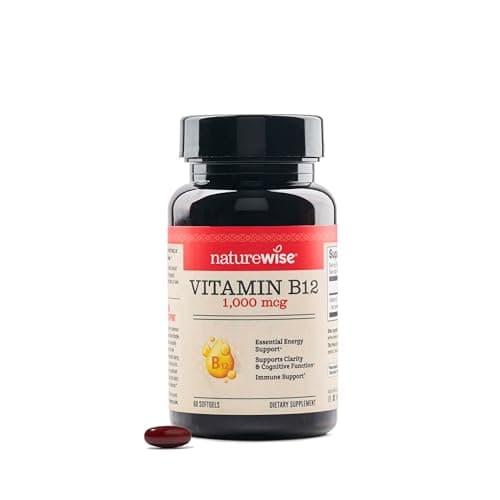
NatureWise Vitamin B12 1000 mcg - Dietary Supplement…
Cost per serving
$0.12
60 servings · ~60-day supply
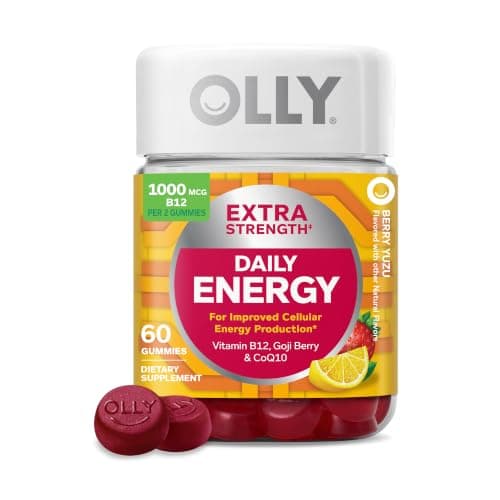
OLLY Extra Strength Daily Energy Gummy
Cost per serving
$0.26
60 servings · ~60-day supply
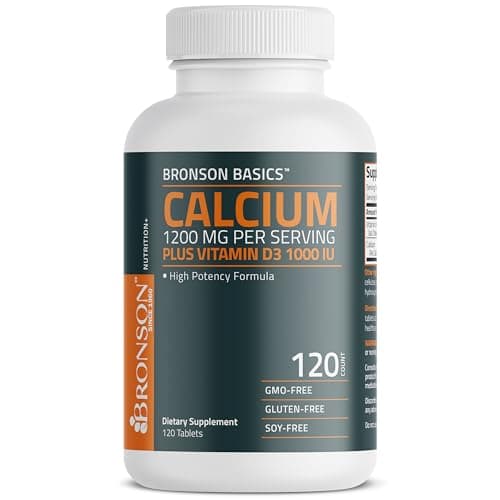
Bronson Calcium 1200mg Per Serving Plus Vitamin D3 1000 IU…
Cost per serving
$0.08
120 servings · ~120-day supply
Related guides
The Full GLP-1 Supplement Stack: What to Take & Cost Per Day
A cost-per-dose companion supplement stack for GLP-1 users (Ozempic/Mounjaro): protein, vitamin D, magnesium, B12, omega-3 — and the full daily cost.
Third-party supplement testing explained: USP, NSF, Informed Sport and the rest
Supplements are not FDA-approved before sale, so third-party seals are the main independent check on what's actually in the bottle. Here's what USP, NSF, NSF Certified for Sport, Informed Sport and Informed Choice each test — and why 'GMP certified' is not the same thing.
We Analyzed 3,397 Supplements: How Much You Overpay
We tracked 3,397 supplements across 194 nutrients. For the same nutrient at the same dose, cost per unit of active ingredient varies by a median of 7.3x — and up to about 34x. Here's why, and how to check any bottle in ten seconds.
Vitamin D on Ozempic and other GLP-1s: why it slips, and what a day of it costs
Vitamin D is the deficiency most often reported in people on GLP-1 medications — one 2026 review found about 14% were deficient at a year. It's also one of the cheapest supplements per dose. Here's the why, the sensible numbers, and the cost per 1,000 IU.