We Analyzed 3,397 Supplements: How Much You Overpay
Quick answer
For a single nutrient at a comparable dose, what you pay depends far more on brand and packaging than on how much active ingredient you get. Across 3,397 active listings (September 2026), the typical nutrient's cost per milligram of active runs about 7x higher at the expensive end of the market than at the cheap end, and for vitamin D3 it reaches about 34x. Looked at as a full range, the dearest vitamin D3 serving we track costs about 77 times the cheapest. The premium mostly buys branding and packaging rather than more nutrient, so computing your own cost per serving (total price ÷ servings per container) is the fastest way to stop overpaying. This is general information, not medical advice.
Alex Soto, Founder, VitaminDB
7 min readUpdated 9/8/2026 NIH-sourced
On this page
Supplement pricing looks tidy on a shelf: two bottles, two prices, and you assume the pricier one has "more" in it. Our data says that assumption is usually wrong. We pulled every active listing we track and measured what the same nutrient actually costs — not per bottle, but per milligram of the thing you are buying it for. The gaps are not small percentages.
Method updates. 13 July 2026: an earlier version reported a 2,556x spread for vitamin D3 that rested on two bad rows — a scrape glitch at the bottom and a mis-parsed serving count at the top; those were quarantined and the parser fixed. 14 August 2026: we made two further honesty fixes. Iron is now compared per milligram of elemental iron, because "Ferrous Sulfate 325 mg" on a label is only 65 mg of actual iron — counting the salt weight had made cheap iron look five times cheaper than it is. And multi-ingredient combo products (Cal-Mag-Zinc, "9-in-1" botanical blends) are now excluded from single-nutrient dose stats, because their one label dose belongs to the headline ingredient, not to every nutrient on the panel. Both fixes lowered several spreads — taurine, for instance, was an inflated 84x and is really about 6x. Every figure below is recomputed from the cleaned catalog. 8 September 2026: the combo exclusion above only caught products with three or more base ingredients, which let two-ingredient ones through — an L-tyrosine bottle "with Omega-3" was still being priced into omega-3's distribution on its tyrosine dose. Each deal now records which nutrient its label dose belongs to (the one its title names first), and a product counts toward a nutrient's spread only when the dose is that nutrient's. Vitamin C moved most: it had looked like the widest spread in the catalog at 45x, and once iron-with-vitamin-C tablets stopped being counted as cheap vitamin C it is 7.3x. Vitamin D3 is now the widest at 34x.
This is a data study, not a buying command. We are reporting an aggregate pricing fact from a real catalog. We are not claiming the cheapest option is medically better, nor that the expensive one is a scam. We are showing you how far apart the prices sit for the same active ingredient — and how to calculate your own number.
The headline finding
Across 3,397 active supplement listings spanning 194 nutrients on Amazon US, the typical nutrient costs about 7 times more per milligram of active ingredient at the expensive end of the market than at the cheap end — and for vitamin D3 the gap reaches about 34x. Buying the same molecule, at the same dose, the premium buys brand, packaging and marketing, not more nutrient.
A word on how we measure it, because it decides what the number means. We compare the 90th percentile of cost per unit of active against the 10th percentile, within a single nutrient. That deliberately ignores the very cheapest and very dearest listing, because a single mis-scraped price or mis-read serving count can invent a spectacular outlier — which is exactly what happened to the earlier version of this guide. A percentile spread cannot be moved by one bad row, so it is the number we lead with, and the one on the live price-spread study.
What the spread looks like across nutrients
Cost per unit of active ingredient, 90th percentile ÷ 10th percentile, within each nutrient. Figures as of 8 September 2026; the live table updates as prices move.
- Vitamin D3 — 237 products · spread 34x — the widest in the catalog
- Iron (per elemental mg) — 31 products · spread 21x
- Biotin (B7) — 85 products · spread 18x
- Choline — 24 products · spread 16x
- Melatonin — 30 products · spread 14x
- Magnesium — 75 products · spread 17x
- Zinc — 59 products · spread 13x
- CoQ10 — 46 products · spread 12x
- Vitamin C — 28 products · spread 7.3x
- Vitamin B12 — 126 products · spread 7.4x
- Median across all 44 comparison groups — 7.3x
(Some groups are specific forms of another — magnesium glycinate also sits inside magnesium — so they share products with their parent and this is not a median over disjoint sets.)
If you prefer the full range — the dearest serving divided by the cheapest, which is more dramatic and much more fragile — vitamin D3 runs about 77x ($0.02 to $1.53 per serving across the deals we track). We report that as a range and not as the headline, precisely because the endpoints are the part of the data most likely to be wrong: one glitched price or mis-read serving count moves the full range, but not the percentile spread above it.
Two things stand out. First, the spreads are large even for commodity vitamins whose raw ingredient is cheap and universally available. Second, the median sits far below the ceiling — vitamin D3's median is about $0.10 per serving against a $1.53 top. The expensive listings are outliers pulling the range up, while a large, sensible middle exists around a dime a dose. The full nutrient-by-nutrient breakdown is in our supplement price-spread study, with the raw data as a CSV under CC-BY.
Why the same nutrient costs so wildly different amounts
The active ingredient is rarely the expensive part. A few structural reasons explain most of the gap.
Brand and marketing. A recognizable name, a "practitioner" or "clinical" positioning, influencer promotion and premium retail placement all get priced into the bottle. None of that changes the molecule inside.
Form and delivery marketing. The same nutrient shows up as capsules, softgels, gummies, liquids, liposomal versions and "enhanced absorption" formats. Some forms genuinely differ in how the body handles them, and the NIH Office of Dietary Supplements notes bioavailability can vary by form for certain nutrients. But a premium claim about absorption is marketing until it is demonstrated, and evidence on many "enhanced" formats is limited or mixed. Paying more for a form is a bet, not a guarantee. Our own catalog puts a number on one of these bets: the gummy form of a nutrient costs a median 2.1x more per serving than the pill.
Serving-size math that hides the true cost. This is the sneaky one. Two bottles can show the same shelf price while one delivers twice the servings, or one counts a "serving" as two capsules and the other as one. The sticker price tells you almost nothing until you divide it down to a single dose.
Salt weight vs elemental. Minerals hide a second trap. A US label states the elemental amount, but the marketing front often shows the compound weight — "Ferrous Sulfate 325 mg" is only about 65 mg of actual iron. Compare the front numbers and you'll think a salt-form product is far cheaper per milligram than it is. Always compare the elemental figure from the Supplement Facts panel; it's why our iron ranking normalizes to elemental iron.
Pack size. The single largest lever, and the least glamorous: across every nutrient we could compare, the 180-plus-serving bottle costs a median 85% less per serving than the under-60 bottle of the same thing. No coupon comes close.
Notice what is not on this list: a reliable link between price and quality. Third-party testing, purity and manufacturing standards matter, but they do not track neatly with price — you cannot assume the dearest bottle is tested and the cheapest one is not. Price alone is not a quality signal in either direction.
How to calculate cost per dose yourself
You do not need our tools to do this. The math is two simple steps.
- Cost per serving = total price ÷ servings per container. The servings number is on the Supplement Facts panel, not the marketing front.
- Cost per day = cost per serving × servings per day. If the label's serving is two capsules and you take that once daily, one serving equals one day. If a "serving" is one capsule but the commonly-labeled amount is two, adjust accordingly.
A worked example using our range: at a median of roughly $0.10 per serving, a daily vitamin D3 habit costs about $3 a month. At the $1.53 top of the range, the same daily habit runs about $46 a month. Same molecule, same rough dose — the only variable is which listing you chose.
Two cautions when you compare. Match the dose: $0.05 per serving is not cheaper than $0.10 if the first bottle delivers half the milligrams. And match the form if a specific form matters to you. Doses on labels are commonly-labeled amounts, not a prescription — how much of any nutrient is right for you depends on your diet, blood levels and health status, which is a clinician's call.
Where the biggest overpayment risk hides
The widest gaps cluster in ingredients that are cheap to make and sold in many competing formats. Vitamin D3 (237 products, 34x) is everywhere and heavily branded — a combination that produces both a very low floor and a well-marketed ceiling. Iron (21x per elemental mg) splits along form lines: cheap ferrous sulfate against gentler, pricier bisglycinate. Biotin (18x) is a few cents of a cheap B vitamin sold either as a bulk tablet or as a branded hair-and-nails gummy. Our ranked, cost-per-dose views for these exact nutrients are here: best vitamin D3 by cost per dose and best vitamin B12 by cost per dose. We link to the ranked page rather than name a product because prices move constantly.
Botanicals behave differently. Their spreads look narrower, but that is partly an artifact: standardization and extract strength vary so much that "cost per serving" is only comparable when the extract and the dose actually match. With standardized extracts, comparing the labeled active amount matters as much as the price.
What to actually do with this
The practical takeaway is not "always buy the cheapest." It is that price, on its own, carries very little information about what is in the bottle — so treat cost per dose as the baseline number and layer your other priorities (form, third-party testing, brand trust) on top of it, deliberately, rather than assuming price already accounts for them.
If you want a reference for what a fair per-dose figure looks like nutrient by nutrient, we keep one here: what supplements should cost per dose. Pair that with the two-step calculation above and you can spot an overpriced bottle in about ten seconds at the shelf.
The data's core message survives every correction intact. For the same nutrient at the same dose, the difference between a smart price and a poor one is routinely a factor of eight — and up to fifty for the widest nutrients — and it is entirely inside your control the moment you divide price down to a single dose.
This is general information, not medical advice — talk to a clinician before starting, stopping or changing any supplement.
Covered nutrients: Vitamin D3, Vitamin B12 (Cobalamin), Folate (Vitamin B9)
See the live cost-per-dose data
This guide is editorial — the prices below are real and current.
Frequently asked questions
Does a more expensive supplement mean higher quality?
Not reliably. Across thousands of listings, the cost of the same nutrient at the same dose varies by a median of about 7x between the cheap and expensive ends of the market, and that spread is driven mostly by brand, packaging and marketing rather than by what's in the bottle. Third-party testing and manufacturing standards do matter, but they don't track neatly with price — you can't assume the pricier product is tested and the cheaper one isn't. Judge quality on testing and label transparency, not the price tag.
How do I calculate the cost per dose of a supplement?
Divide the total price by the number of servings per container to get cost per serving, then multiply by how many servings you take per day for a daily cost. The servings figure is on the Supplement Facts panel, not the marketing front of the label. Always match the dose and form when comparing, since a lower per-serving price isn't cheaper if it delivers fewer milligrams.
Which supplements have the biggest price differences?
Measured per unit of active ingredient, vitamin C has the widest gap in our data — about 34x between the cheap and expensive ends of the market — followed by iron per elemental milligram (21x), biotin (18x), magnesium (17x) and choline (16x). The typical nutrient sits around 7x. The widest gaps appear in cheap-to-make ingredients sold in many competing formats, where a low floor and a heavily-marketed ceiling coexist for the same molecule.
Where these numbers come from
Cost figures on this page are computed from 679 active Vitamin D3 / Vitamin B12 (Cobalamin) / Folate (Vitamin B9) listings we track, last re-priced . Cost per dose is price ÷ (servings × dose), computed per listing — not a price we are quoted. Listings under $1 or with fewer than 3 servings are excluded, because both are usually a parse error rather than a bargain.
- Amazon.com · 676
- SuperSmart · 3
Prices move. Figures written into the text are re-checked against live data on a schedule; the ranking pages are always the current number.
Sources
Health claims on this page are drawn from these sources. Prices and cost-per-dose figures come from our own tracked listings, not from the sources below.
- 1.Vitamin D: Fact Sheet for Health Professionals — NIH Office of Dietary Supplements
- 2.Vitamin B12: Fact Sheet for Health Professionals — NIH Office of Dietary Supplements
- 3.Folate: Fact Sheet for Health Professionals — NIH Office of Dietary Supplements
Deals on these nutrients
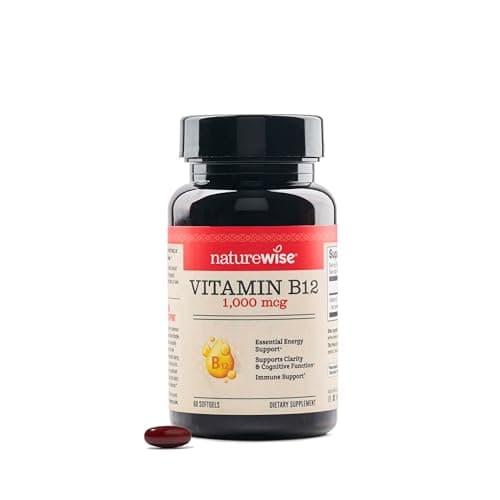
NatureWise Vitamin B12 1000 mcg - Dietary Supplement…
Cost per serving
$0.12
60 servings · ~60-day supply
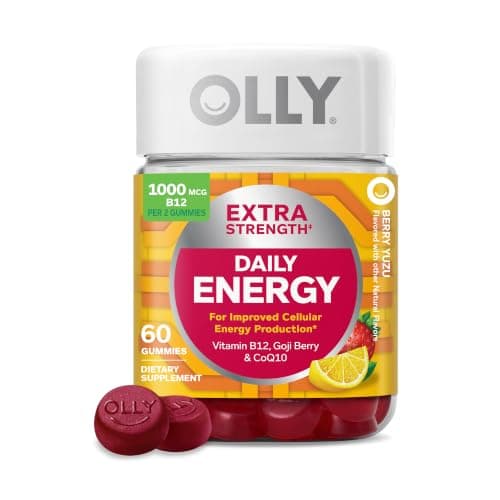
OLLY Extra Strength Daily Energy Gummy
Cost per serving
$0.26
60 servings · ~60-day supply
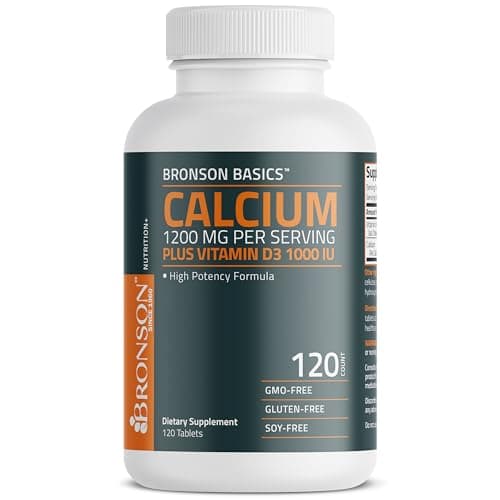
Bronson Calcium 1200mg Per Serving Plus Vitamin D3 1000 IU…
Cost per serving
$0.08
120 servings · ~120-day supply
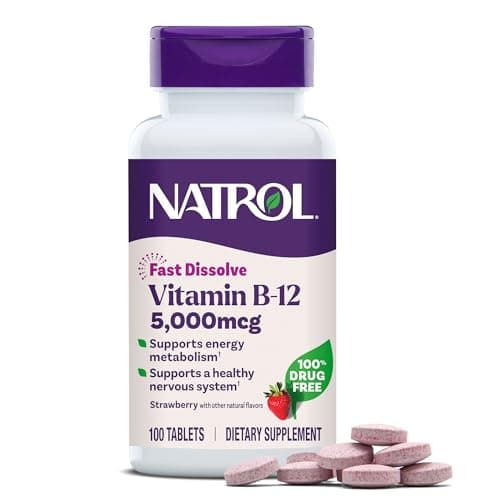
Natrol Vitamin B12 5000 mcg Fast Dissolve B12 Supplement
Cost per serving
$0.13
100 servings · ~100-day supply
Related guides
The cheapest supplements to support GLP-1s, by cost per dose
Protein, fibre, electrolytes and a few key vitamins are the supplements most often paired with GLP-1 medications. Review sites list a price and a dose but never divide the two — so here's the same list ranked the only way that tells you what you're really paying: cost per dose.
The Full GLP-1 Supplement Stack: What to Take & Cost Per Day
A cost-per-dose companion supplement stack for GLP-1 users (Ozempic/Mounjaro): protein, vitamin D, magnesium, B12, omega-3 — and the full daily cost.
The B vitamins explained: what all 8 do, and who actually needs a B-complex
B1 to B12 in plain English — what each B vitamin does, the 'B vitamins for energy' myth, the one with a real toxicity ceiling (B6), and the specific groups who genuinely benefit from a B-complex versus those who don't.
Prenatal Vitamins: What Actually Matters (and the Cheapest per Serving)
A prenatal buyer's guide grounded in NIH figures: which nutrients matter (folate, iron, iodine, DHA, choline, vitamin D), why the cheapest bottle isn't always complete, and how to compare real cost per serving.