The B vitamins explained: what all 8 do, and who actually needs a B-complex
Quick answer
B1 to B12 in plain English — what each B vitamin does, the 'B vitamins for energy' myth, the one with a real toxicity ceiling (B6), and the specific groups who genuinely benefit from a B-complex versus those who don't.
Alex Soto, Founder, VitaminDB
11 min readUpdated 6/29/2026 NIH-sourced
On this page
"B-complex" sounds like one thing, but it's eight different vitamins doing different jobs — and the marketing around them (especially the "energy" angle) is where most people go wrong. Here's each one in plain English, plus the honest answer to whether you need a B-complex at all.
The 8 B vitamins, briefly
Most B vitamins are cofactors in energy metabolism — they help enzymes turn food into usable fuel. A few do more specialized work in blood, DNA, and nerves.
- B1 — Thiamin: carbohydrate → energy metabolism; nerve function.
- B2 — Riboflavin: energy metabolism (turns urine bright yellow when in excess).
- B3 — Niacin: energy metabolism; high doses affect cholesterol (and cause flushing).
- B5 — Pantothenic acid: part of coenzyme A — central to energy metabolism.
- B6 — Pyridoxine: amino-acid and neurotransmitter metabolism — has a real toxicity ceiling.
- B7 — Biotin: fat/carb metabolism; popular for hair/nails (evidence is weak unless deficient).
- B9 — Folate: DNA synthesis, red blood cells — critical in pregnancy.
- B12 — Cobalamin: nerves, red blood cells, DNA — only in animal foods.
The "B vitamins for energy" myth
This is the big one. B vitamins help your body release energy from food — but that's not the same as giving you energy. If you're already getting enough, extra B vitamins don't boost energy; the surplus is simply excreted (water-soluble). The lift people feel from "energy" B-complex products is usually one of two things: correcting an actual deficiency, or the caffeine bundled into the formula. A replete person megadosing B-complex mostly makes expensive urine.
The two B vitamins most worth your attention
For supplement decisions, two B vitamins carry most of the real-world weight:
- B12 — the one a large group genuinely needs to supplement. It's only in animal foods, so vegans, the over-50s, and people on metformin or acid reducers are at risk, and the deficiency can damage nerves. Full detail in vitamin B12 deficiency: who's at risk, and the form choice (methyl vs cyano) in this guide. Value picks on the B12 hub.
- B9 (folate) — essential before and during early pregnancy to reduce the risk of neural-tube defects; anyone who could become pregnant is advised to get enough. The form matters (folic acid vs methylfolate) — see the folate (B9) hub.
The one with a real ceiling: B6
Here's the safety line most people miss. Because B vitamins are water-soluble, it's tempting to assume they're harmless at any dose. Vitamin B6 breaks that rule — its adult upper limit is **100 mg/day, and long-term intake above it can cause peripheral neuropathy** (nerve damage, often tingling/numbness). High-dose B-complex and "energy"/"nerve" formulas are exactly where people quietly exceed it. This — along with the other nutrients that actually have ceilings — is covered in supplement upper limits. Niacin (B3) is the other to watch: it causes flushing, and very high doses can stress the liver.
Who actually needs a B-complex
Be honest about whether you're in a group that benefits:
✅ Genuinely benefit:
- Vegans — for B12 (and sometimes B2).
- Pregnant or trying to conceive — for folate.
- Heavy alcohol use — depletes B1 (thiamin) and folate.
- Older adults — B12 absorption falls with age.
- Malabsorption or certain meds (metformin, long-term acid reducers).
🚫 Usually don't need a broad high-dose B-complex:
- A healthy person eating a varied diet (whole grains, meat/fish/eggs, legumes, leafy greens already supply the Bs).
If you're in a benefit group, often you need one specific B (B12 for vegans, folate in pregnancy) rather than a megadose of all eight.
How to buy without overpaying
If you do need a B-complex, you rarely need the highest-milligram "mega" version — and you should keep B6 under its 100 mg ceiling. For single Bs (B12, folate, B6), compare on real cost per dose: B12 · B6 · folate/B9. We rank by cost per effective dose, not the label's big number (methodology).
Bottom line
The B vitamins are mostly energy-metabolism cofactors — they don't give energy unless you were short. The two that drive real supplement decisions are B12 (vegans, 50+, certain meds) and folate (pregnancy). Respect the B6 ceiling (100 mg) — "water-soluble" doesn't mean "unlimited." Most people on a varied diet don't need a high-dose B-complex; those who do usually need one specific B. General references from the NIH, not medical advice.
Covered nutrients: B-Complex, Vitamin B12 (Cobalamin), Vitamin B6 (Pyridoxine), Folate (Vitamin B9)
See the live cost-per-dose data
This guide is editorial — the prices below are real and current.
Frequently asked questions
Do B vitamins actually give you energy?
Not directly. B vitamins are cofactors that help your body CONVERT food into usable energy — but taking extra when you're not deficient doesn't add energy, it just gets excreted. The "energy" feeling from B-complex products is mostly correcting a shortfall (or, in some, the caffeine they're bundled with). If you're replete, megadosing won't energize you.
Who actually needs a B-complex?
Most people get enough B vitamins from a varied diet. The groups who genuinely benefit are vegans (B12), people who are pregnant or trying (folate, for neural-tube protection), heavy drinkers (B1 and folate), older adults (B12 absorption falls), and people with malabsorption or on certain medications. For everyone else a broad high-dose B-complex is usually unnecessary.
Can you take too much of the B vitamins?
Most are water-soluble, so excess is excreted (B2 just turns your urine bright yellow). The important exception is vitamin B6, which has a real upper limit of 100 mg/day — long-term high doses can cause nerve damage. Niacin (B3) can also cause flushing and, at high doses, liver effects. So 'water-soluble' doesn't mean 'unlimited.'
Where these numbers come from
Cost figures on this page are computed from 447 active B-Complex / Vitamin B12 (Cobalamin) / Vitamin B6 (Pyridoxine) / Folate (Vitamin B9) listings we track, last re-priced . Cost per dose is price ÷ (servings × dose), computed per listing — not a price we are quoted. Listings under $1 or with fewer than 3 servings are excluded, because both are usually a parse error rather than a bargain.
- Amazon.com · 445
- SuperSmart · 2
Prices move. Figures written into the text are re-checked against live data on a schedule; the ranking pages are always the current number.
Sources
Health claims on this page are drawn from these sources. Prices and cost-per-dose figures come from our own tracked listings, not from the sources below.
- 1.Vitamin B12: Fact Sheet for Health Professionals — NIH Office of Dietary Supplements
- 2.Vitamin B6: Fact Sheet for Health Professionals — NIH Office of Dietary Supplements
- 3.Folate: Fact Sheet for Health Professionals — NIH Office of Dietary Supplements
Deals on these nutrients
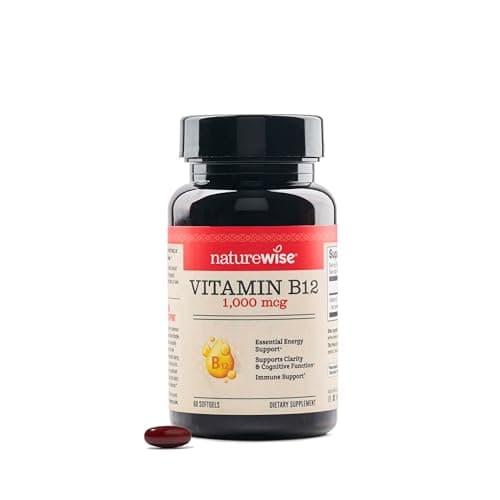
NatureWise Vitamin B12 1000 mcg - Dietary Supplement…
Cost per serving
$0.12
60 servings · ~60-day supply
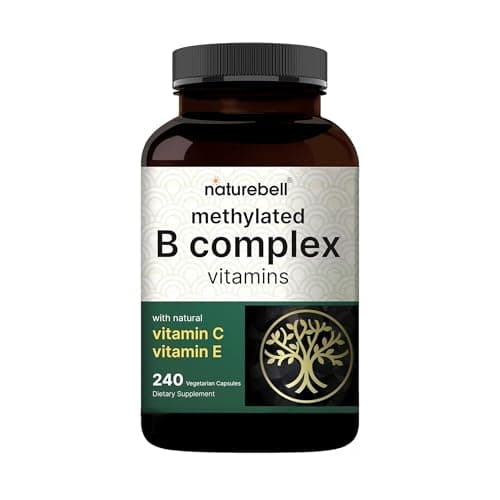
NatureBell Methylated B Complex Vitamins - 240 Vegetarian…
Cost per serving
$0.10
240 servings · ~240-day supply
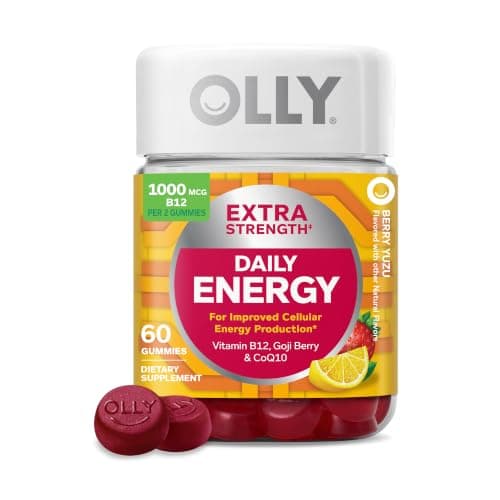
OLLY Extra Strength Daily Energy Gummy
Cost per serving
$0.26
60 servings · ~60-day supply
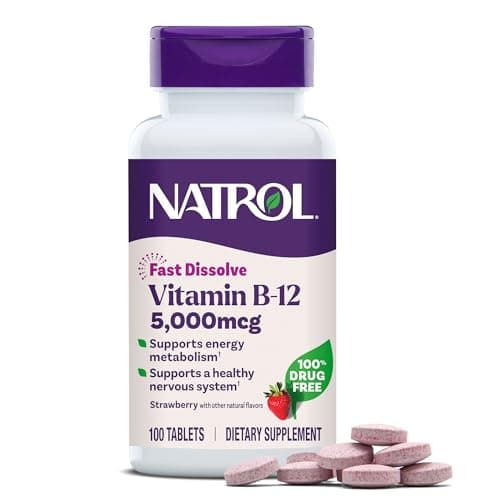
Natrol Vitamin B12 5000 mcg Fast Dissolve B12 Supplement
Cost per serving
$0.13
100 servings · ~100-day supply
Related guides
We Analyzed 3,397 Supplements: How Much You Overpay
We tracked 3,397 supplements across 194 nutrients. For the same nutrient at the same dose, cost per unit of active ingredient varies by a median of 7.3x — and up to about 34x. Here's why, and how to check any bottle in ten seconds.
P-5-P vs regular vitamin B6: is the active form worth it?
P-5-P costs about 2x more per 50 mg than plain pyridoxine — a median $0.146 vs $0.071 across 56 listings we price. Most healthy people convert plain B6 fine, so here is what the premium buys, and the safety ceiling that matters more than either form.
Prenatal Vitamins: What Actually Matters (and the Cheapest per Serving)
A prenatal buyer's guide grounded in NIH figures: which nutrients matter (folate, iron, iodine, DHA, choline, vitamin D), why the cheapest bottle isn't always complete, and how to compare real cost per serving.
Vegan Vitamin B12: Which Form to Buy and the Real Cost Per Dose
A practical guide to buying vegan vitamin B12 — why most B12 is already vegan, cyanocobalamin vs methylcobalamin, and the real cost per dose.