Vitamin B12: methylcobalamin vs cyanocobalamin, and who actually needs to care
Quick answer
Both methylcobalamin and cyanocobalamin correct a B12 deficiency effectively; cyano is cheaper and very stable, while methyl is the pricier 'active' form with no proven everyday advantage for most people. B12 has no upper limit, so compare by cost per mcg.
Alex Soto, Founder, VitaminDB
6 min readUpdated 6/11/2026 NIH-sourced
Methylcobalamin
the "active" form
Cyanocobalamin
best value
Corrects deficiency
Cost per mcg
Shelf stability
Form
Best for
Verdict: For most people cyanocobalamin is the better value — cheaper, very stable, and it corrects deficiency just as effectively. Methylcobalamin is a fine preference, not a proven everyday necessity. B12 has no upper limit, so compare by cost per mcg.
On this page
Vitamin B12 attracts more form-anxiety than almost any supplement. Search it and you will find confident claims that cyanocobalamin is "synthetic and toxic" and methylcobalamin is the only form worth taking. The actual evidence is far less dramatic: both forms reliably raise B12 status, and the right choice for most people comes down to cost and stability, not safety.
The two main forms
Cyanocobalamin
The most common and cheapest form. It is stable, has a long shelf life, and is the form used in most of the clinical trials that established B12 supplementation works. Your body converts it to the active coenzyme forms (methyl- and adenosylcobalamin) as needed. The "cyanide" in the name alarms people; the amount released on conversion is trivial — far below anything of concern outside of specific kidney conditions.
Buy cyanocobalamin if: you want the cheapest, most evidence-backed option and have no specific reason to avoid it. This is most people.
Methylcobalamin
The pre-converted, active coenzyme form. It skips one conversion step, which is the basis for the claim that it is "better absorbed" or "more bioavailable." In practice the difference in raising blood B12 is modest for people with normal metabolism. It is less stable (more sensitive to light) and costs more.
Buy methylcobalamin if: you have a documented MTHFR variant, prefer the active form on principle, or have been advised to use it. It is a fine choice — just not a medically necessary upgrade for the average person.
The dose question matters more than the form
Here is what actually determines whether your B12 supplement works: the dose, because oral absorption is wildly inefficient. The intrinsic-factor pathway that absorbs dietary B12 saturates at roughly 1.5–2 mcg per dose. Everything above that relies on passive diffusion, of which only about 1% is absorbed.
That is why supplements come in seemingly absurd strengths — 1000 mcg, 5000 mcg. You are not absorbing 5000 mcg; you are absorbing the saturated ~2 mcg plus 1% of the rest. For maintenance, 1000 mcg a few times a week is ample. The 5000 mcg tablets are for correcting a deficiency, not a daily requirement.
Who genuinely needs to supplement
The NIH frames this as an absorption question first: even people with adequate intakes can be deficient because of difficulty absorbing the vitamin from food, lack of intrinsic factor, or the prolonged use of certain medications — with gastric acid inhibitors and metformin named explicitly. Neither form of B12 fixes a cause like that on its own; the dose and the diagnosis do.
B12 is the one vitamin where dietary supplementation is often non-optional:
- Vegans and most vegetarians — B12 comes almost entirely from animal foods.
- Adults over 50 — stomach-acid decline reduces absorption from food.
- People on metformin or long-term PPIs — both impair B12 absorption.
If you eat meat, fish, eggs and dairy regularly and are under 50, you may not need a supplement at all — get tested before buying.
Bottom line
Both forms work. Cyanocobalamin is cheaper, more stable, and better studied — a sensible default. Methylcobalamin is the active form and a reasonable choice if you prefer it or have an MTHFR reason, but it is not detoxifying anything. Either way, dose (1000 mcg for maintenance) and whether you actually need to supplement matter far more than the form on the label.
Covered nutrients: Vitamin B12 (Cobalamin)
See the live cost-per-dose data
This guide is editorial — the prices below are real and current.
Frequently asked questions
Is methylcobalamin really better than cyanocobalamin?
For most people the practical difference is small — both raise B12 status effectively. Cyanocobalamin is more stable, cheaper, and the form used in the studies that proved B12 supplementation works. Methylcobalamin is the active coenzyme form and is preferred by people with certain MTHFR variants or those who simply want the pre-converted form, but it is not "detoxifying" anything.
Do I need a high dose like 5000 mcg?
Oral B12 is absorbed inefficiently (the gut's intrinsic-factor pathway saturates around 1.5–2 mcg per dose), so high-dose tablets rely on a small percentage of passive absorption. 1000 mcg is plenty for maintenance; 5000 mcg is used for correcting deficiency, not as a daily default.
Sublingual or swallowed?
Sublingual tablets and regular swallowed tablets perform similarly in trials — the high dose, not the route, is what gets B12 in. Sublingual is a reasonable choice if you like it, but do not pay a premium expecting a big absorption edge.
Where these numbers come from
Cost figures on this page are computed from 201 active Vitamin B12 (Cobalamin) listings we track, last re-priced . Cost per dose is price ÷ (servings × dose), computed per listing — not a price we are quoted. Listings under $1 or with fewer than 3 servings are excluded, because both are usually a parse error rather than a bargain.
- Amazon.com · 200
- SuperSmart · 1
Prices move. Figures written into the text are re-checked against live data on a schedule; the ranking pages are always the current number.
Sources
Health claims on this page are drawn from these sources. Prices and cost-per-dose figures come from our own tracked listings, not from the sources below.
- 1.Vitamin B12: Fact Sheet for Health Professionals — NIH Office of Dietary Supplements
Deals on these nutrients
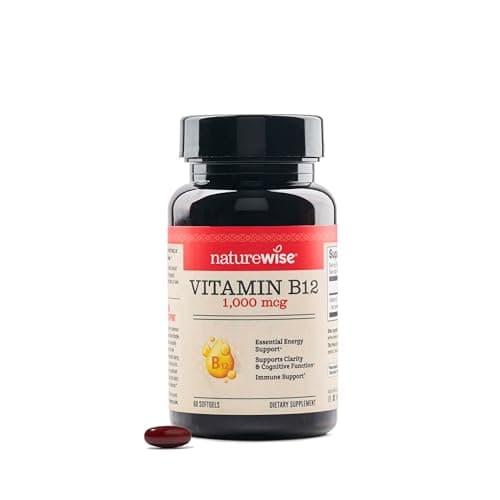
NatureWise Vitamin B12 1000 mcg - Dietary Supplement…
Cost per serving
$0.12
60 servings · ~60-day supply
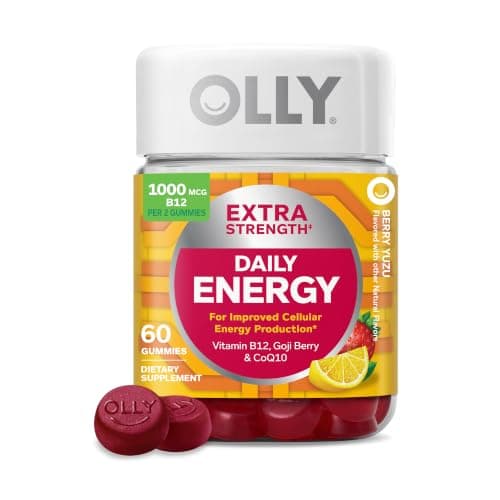
OLLY Extra Strength Daily Energy Gummy
Cost per serving
$0.26
60 servings · ~60-day supply
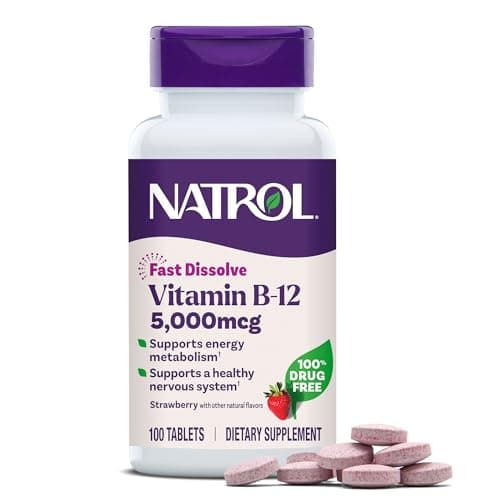
Natrol Vitamin B12 5000 mcg Fast Dissolve B12 Supplement
Cost per serving
$0.13
100 servings · ~100-day supply

Pure Encapsulations Methylcobalamin 1,000 mcg - Vitamin B12…
Cost per serving
$0.34
60 servings · ~60-day supply
Related guides
Vegan Vitamin B12: Which Form to Buy and the Real Cost Per Dose
A practical guide to buying vegan vitamin B12 — why most B12 is already vegan, cyanocobalamin vs methylcobalamin, and the real cost per dose.
The Full GLP-1 Supplement Stack: What to Take & Cost Per Day
A cost-per-dose companion supplement stack for GLP-1 users (Ozempic/Mounjaro): protein, vitamin D, magnesium, B12, omega-3 — and the full daily cost.
Vitamin B12 deficiency: who's at risk, the warning signs, and how to fix it
B12 only comes from animal foods, so vegans, people over 50, and anyone on metformin or acid-reducing drugs are most at risk. Here are the symptoms (some can become permanent), the right tests, and how to correct it — oral, sublingual, or injection.
We Analyzed 3,397 Supplements: How Much You Overpay
We tracked 3,397 supplements across 194 nutrients. For the same nutrient at the same dose, cost per unit of active ingredient varies by a median of 7.3x — and up to about 34x. Here's why, and how to check any bottle in ten seconds.