Folate vs Folic Acid vs Methylfolate: What to Buy & MTHFR
Quick answer
Folate is the umbrella term for vitamin B9; folic acid is the inexpensive, well-studied synthetic form; methylfolate (L-5-MTHF) is a pre-activated form sold at a premium. For most people, folic acid is efficiently used and has the strongest evidence base, including public-health guidance for neural-tube-defect prevention in pregnancy. Methylfolate is a reasonable preference, not a proven necessity for the average person, even with a common MTHFR gene variant.
Alex Soto, Founder, VitaminDB
7 min readUpdated 7/4/2026 NIH-sourced
On this page
Walk down any supplement aisle and you'll see three words used almost interchangeably: folate, folic acid, and methylfolate. They're related, but they aren't the same thing, and the price gap between them is large. The confusion is made worse by heavy marketing around the MTHFR gene, which claims that many people "can't process" folic acid and must buy the pricier activated form. This guide explains the forms plainly, shows what the cost data actually looks like, and gives an evidence-grounded answer on MTHFR.
The three terms, in plain language
Folate is the general name for vitamin B9, an essential nutrient your body needs for making DNA, dividing cells, and supporting healthy red blood cells. It shows up naturally in leafy greens, legumes, and liver, and it's added to many grain products in countries that fortify their food supply.
Folic acid is the synthetic, shelf-stable form of B9 used in most supplements and in food fortification. Your body converts it into the active form it can use. It is the form with the longest track record and the largest body of research behind it, which is why public-health programs specifically chose it for fortification and pregnancy guidance.
Methylfolate (usually labeled L-5-MTHF or L-methylfolate) is the already-activated form. The idea marketers lean on is that because it skips a conversion step, it's "ready to use." That's chemically true, but for most healthy people the conversion of folic acid isn't a bottleneck worth paying a premium to bypass.
Doses are commonly expressed in "mcg DFE" (dietary folate equivalents), which accounts for how differently the body absorbs each form. The Daily Value used on labels is 400 mcg DFE.
- Folate (food) — What it is: B9 from whole foods · Evidence base: Strong; the dietary baseline · Typical price position: N/A (from diet)
- Folic acid — What it is: Synthetic, convertible form · Evidence base: Strongest; used in public-health guidance · Typical price position: Cheapest
- Methylfolate (L-5-MTHF) — What it is: Pre-activated form · Evidence base: Reasonable, less deep than folic acid · Typical price position: Premium
What the cost data actually shows
This is where a cost-per-dose lens is useful, because the marketing rarely mentions price. On VitaminDB we track 98 active folate/B9 listings, and the cost per serving ranges from $0.012 to $1.13, with a median of $0.151 and the middle 80% between $0.030 and $0.576 — a 19x spread. In other words, two products that both deliver vitamin B9 can differ in price by more than an order of magnitude for the same nutrient. (Figures as of 19 September 2026. We quote the middle-80% band rather than dearest-over-cheapest because one mis-parsed row at either end would otherwise become the headline — which is exactly what happened to an earlier version of this number.)
Folic acid sits at the cheap end of that range: it's the least expensive, most widely produced form. Methylfolate products cluster toward the premium end, largely because of the MTHFR marketing narrative and the more expensive raw ingredient. That premium can be worth it if you specifically prefer the activated form, but it isn't a health requirement for most people. You can see how individual products stack up on cost per serving on our best-value vitamin B9 rankings.
The practical takeaway: if you just need to meet the Daily Value, the cheapest well-made folic acid product does the job that the science actually supports, and the difference you'd save versus a heavily marketed methylfolate can be substantial over a year.
The truth about MTHFR
MTHFR is a gene that codes for an enzyme involved in folate metabolism. Certain common variants of this gene are found in a large share of the general population — they are not rare "defects," they are ordinary genetic variation. The marketing pitch is that if you carry one of these variants, your body can't use folic acid well, so you must switch to methylfolate.
Here's the honest version. For most people, folic acid is still efficiently converted and used, even with a common MTHFR variant. The claim that anyone with such a variant must take methylfolate for general health is not well supported by the evidence. Bodies like the NIH Office of Dietary Supplements describe folate needs and forms in measured terms, and standard folic acid remains the form with the deepest research base — including the public-health guidance for preventing neural-tube defects in pregnancy.
That doesn't make methylfolate a scam. It's a legitimate form of B9. If you have a specific clinical reason, a documented deficiency, or simply prefer the activated form and don't mind the cost, methylfolate is a reasonable choice. What it usually is not is a proven necessity for the average person, and a home gene test result on its own is a weak reason to pay a large premium. If a genetic result is prompting a supplement decision, that's a conversation to have with a clinician rather than with a marketing page.
MTHFR is a hype magnet precisely because it converts a normal genetic finding into a reason to buy a more expensive product. Be skeptical of any claim that frames a common variant as a condition you must "treat" with a specific SKU.
Pregnancy: don't improvise
Folate is genuinely important before and during pregnancy, because adequate B9 status in early pregnancy is tied to healthy neural-tube development. This is one of the clearest, most established areas of nutrition science, and it's the reason many countries fortify food and issue specific guidance.
Two honest points here. First, the form public-health guidance is built around is standard folic acid — it's the form that was studied at scale and used in the programs associated with reduced neural-tube-defect rates. Second, this is exactly the situation where you should not self-prescribe based on a blog or a genetic-testing upsell. Prenatal folate needs, timing, and dose are individual, and they belong to a clinician who knows your history. If you're pregnant, planning to be, or weighing folic acid versus methylfolate for a prenatal, ask your OB, midwife, or doctor and follow their guidance.
How to choose, practically
If you're a general-health buyer with no specific medical reason:
- Folic acid is the default that the strongest evidence supports, and it's the cheapest form. For most people, this is the sensible, well-studied pick.
- Methylfolate is fine if you prefer the activated form and accept the premium. It's a preference, not a prescription.
- Food first is always reasonable — leafy greens and legumes contribute folate, and in fortified-food countries you may already get a meaningful baseline.
Then check three things on the label: the amount in mcg DFE (the Daily Value is 400 mcg DFE), the form, and the cost per serving. That last number is where the 19x spread lives, and it's the one the marketing hopes you won't compare. Our best-value vitamin B9 page ranks products by real cost per dose so you can see whether a premium form is actually costing you a premium.
B9 rarely acts alone — it works alongside B12 and the other B vitamins, so if you're thinking about folate you may also want to understand the wider group. Our B-vitamins and B-complex explainer covers how these nutrients fit together and when a combined product makes sense.
The bottom line
Folate is the nutrient, folic acid is the inexpensive and best-studied supplemental form, and methylfolate is the pre-activated version sold at a premium. For most people, folic acid does what the evidence supports at a fraction of the cost, MTHFR marketing overstates the case for switching, and pregnancy is a clinician's call built on folic-acid-based guidance. Compare the cost per serving before you pay up for a form you may not need.
This is general information, not medical advice — talk to a clinician about your situation, especially if you are pregnant, planning pregnancy, or managing a diagnosed deficiency.
Covered nutrients: Folate (Vitamin B9)
See the live cost-per-dose data
This guide is editorial — the prices below are real and current.
Frequently asked questions
Is methylfolate better than folic acid?
Not for most people. Folic acid is efficiently converted and used by the average person and has the strongest evidence base, including the public-health guidance used in pregnancy. Methylfolate is a legitimate, pre-activated form that some people prefer, but it's sold at a premium and isn't a proven necessity for general health. If a specific medical reason is driving the choice, ask a clinician.
Do I need methylfolate if I have an MTHFR gene variant?
Common MTHFR variants are ordinary genetic variation found in a large share of the population, not a defect that automatically requires methylfolate. For most people, folic acid is still used efficiently despite carrying such a variant, and the claim that you must switch isn't well supported for general health. A home gene result alone is a weak basis for the decision, so discuss it with a clinician.
Which folate form should I take during pregnancy?
Folate status is genuinely important in early pregnancy, and public-health guidance for preventing neural-tube defects is built around standard folic acid, the form studied at scale. That said, prenatal dose, timing, and form are individual decisions. Don't self-prescribe based on marketing or a gene test — ask your OB, midwife, or doctor and follow their guidance.
Where these numbers come from
Cost figures on this page are computed from 163 active Folate (Vitamin B9) listings we track, last re-priced . Cost per dose is price ÷ (servings × dose), computed per listing — not a price we are quoted. Listings under $1 or with fewer than 3 servings are excluded, because both are usually a parse error rather than a bargain.
- Amazon.com · 162
- SuperSmart · 1
Prices move. Figures written into the text are re-checked against live data on a schedule; the ranking pages are always the current number.
Sources
Health claims on this page are drawn from these sources. Prices and cost-per-dose figures come from our own tracked listings, not from the sources below.
- 1.Folate: Fact Sheet for Health Professionals — NIH Office of Dietary Supplements
Deals on these nutrients
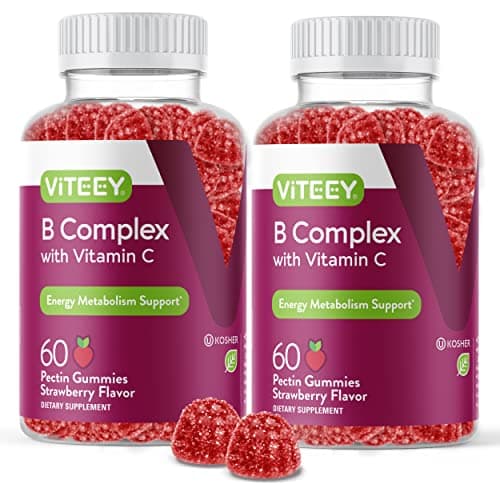
Viteey Vitamin B Complex Gummies with Vitamin C - 120 Count…
Cost per serving
$0.22
120 servings · ~120-day supply
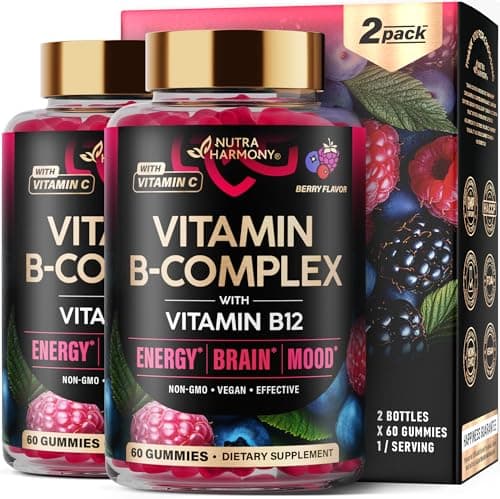
Vitamin B-Complex Gummies for Women & Men - Vitamin B12, B1…
Cost per serving
$0.56
60 servings · ~60-day supply
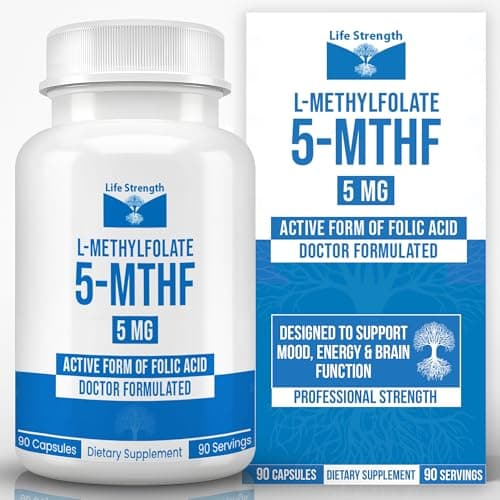
L Methylfolate 5mg | 90 Capsules | Optimized & Highly…
Cost per serving
$0.37
90 servings · ~90-day supply
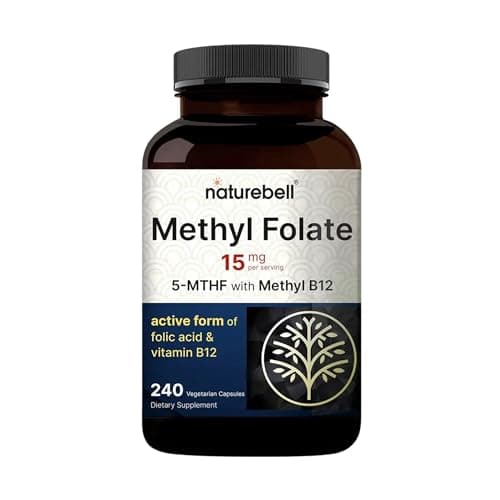
NatureBell Methyl Folate 15mg - 240 Capsules - 5-MTHF…
Cost per serving
$0.10
240 servings · ~240-day supply
Related guides
We Analyzed 3,397 Supplements: How Much You Overpay
We tracked 3,397 supplements across 194 nutrients. For the same nutrient at the same dose, cost per unit of active ingredient varies by a median of 7.3x — and up to about 34x. Here's why, and how to check any bottle in ten seconds.
Prenatal Vitamins: What Actually Matters (and the Cheapest per Serving)
A prenatal buyer's guide grounded in NIH figures: which nutrients matter (folate, iron, iodine, DHA, choline, vitamin D), why the cheapest bottle isn't always complete, and how to compare real cost per serving.
The B vitamins explained: what all 8 do, and who actually needs a B-complex
B1 to B12 in plain English — what each B vitamin does, the 'B vitamins for energy' myth, the one with a real toxicity ceiling (B6), and the specific groups who genuinely benefit from a B-complex versus those who don't.
Ubiquinol vs ubiquinone: which CoQ10 is worth it
Ubiquinol absorbs somewhat better, but it costs about 2.5x more per 100 mg than ubiquinone — a median $0.335 vs $0.133 across 55 listings we price. What that gap is worth, the dose, and the statin question.