Can you take too much? The supplement upper limits that actually matter
Quick answer
Water-soluble vitamins you flush out; fat-soluble vitamins and minerals accumulate and have real ceilings. The NIH upper limits worth knowing — vitamin A, D, iron, zinc, B6, selenium — and why megadoses backfire.
Alex Soto, Founder, VitaminDB
7 min readUpdated 6/28/2026 NIH-sourced
On this page
"It's just a vitamin, more can't hurt" is the single most expensive — and occasionally dangerous — supplement belief. Some nutrients you genuinely can't overdo from a pill; others have a real ceiling. Here's the honest split.
The two camps
Flush-out (low overdose risk): vitamin C and most B vitamins are water-soluble — take too much and you mostly excrete it (you might get loose stools or bright urine, not toxicity). Exception: vitamin B6, which has a real limit (below).
Accumulate (respect the ceiling): fat-soluble vitamins (A, D, E, K) and minerals build up. These are where upper limits matter.
The upper limits worth knowing (NIH adult ULs)
- Vitamin A — 10,000 IU (3,000 mcg RAE). Preformed retinol (not beta-carotene) is the concern. Excess is linked to liver damage and birth defects — pregnant people especially must avoid high-dose retinol.
- Vitamin D — 4,000 IU (100 mcg). Fat-soluble and cumulative; chronic excess causes high calcium, kidney stones, worse. Maintenance is usually 1,000–2,000 IU — go higher only on a blood test.
- Iron — 45 mg. Only supplement iron if you're actually low; excess causes GI distress and, in large amounts, is genuinely toxic (a leading cause of poisoning in children). More on gentle dosing in iron without stomach upset.
- Zinc — 40 mg. Chronic high zinc depletes copper and can lower immunity and HDL. Easy to overshoot if you stack a multivitamin plus a zinc "immune" supplement.
- Vitamin B6 — 100 mg. The water-soluble exception — long-term high doses can cause nerve damage (peripheral neuropathy). Watch high-dose B-complex and "energy" products.
- Selenium — 400 mcg. A famously narrow window — one Brazil nut can cover the daily need, and chronic excess causes hair loss, nail changes, and nerve problems.
- Calcium — 2,500 mg. High supplemental calcium (without enough K2/magnesium) has been linked to arterial calcification in some studies; aim to fill the gap to ~1,000–1,200 mg total, not to megadose.
- Magnesium — 350 mg (supplemental only). This ceiling is for supplements/medication, NOT food (kidneys clear dietary magnesium). Overshoot and you get diarrhea and cramping.
Why megadoses backfire
Beyond correcting a shortfall, extra nutrient usually does nothing useful — and for the accumulating ones it adds risk. A "5,000 mg" label is theater: it's either an unabsorbed form (you excrete it) or a genuinely high dose you don't need. The dose that works is typically modest and well below the UL.
The practical rules
- Don't supplement iron unless you're low (test first).
- Add up your sources — a multivitamin + a standalone zinc/D/A can quietly exceed a limit.
- Prefer the studied dose, not the biggest number — and compare on cost per effective dose, not megadose marketing.
When in doubt about your own situation, talk to a clinician — these are general NIH references, not medical advice.
Covered nutrients: Vitamin A, Vitamin D3, Iron, Zinc, Vitamin B6 (Pyridoxine), Selenium, Calcium, Magnesium
See the live cost-per-dose data
This guide is editorial — the prices below are real and current.
Frequently asked questions
Which vitamins are safe in big doses and which aren't?
Most water-soluble vitamins (C and the B-complex, with vitamin B6 the notable exception) are lower-risk because the body excretes the excess. Fat-soluble vitamins (A, D, E, K) and most minerals are the ones to respect — they accumulate, so high supplement doses can reach harmful levels.
Is "more" ever better with vitamins?
Rarely. Above the point that corrects a deficiency, extra usually does nothing — and for the nutrients with real upper limits it can cause harm. Megadose labels are mostly marketing; the dose that helps is usually modest.
Do food sources count toward the upper limit?
For most nutrients the upper limit refers to total intake, but the practical risk is from supplements and fortified foods, not whole foods. Magnesium is a clear example — the 350 mg ceiling applies to supplemental magnesium only, not the magnesium in food. These are NIH references, not medical advice.
Where these numbers come from
Cost figures on this page are computed from 915 active Vitamin A / Vitamin D3 / Iron / Zinc / Vitamin B6 (Pyridoxine) / Selenium / Calcium / Magnesium listings we track, last re-priced . Cost per dose is price ÷ (servings × dose), computed per listing — not a price we are quoted. Listings under $1 or with fewer than 3 servings are excluded, because both are usually a parse error rather than a bargain.
- Amazon.com · 905
- SuperSmart · 10
Prices move. Figures written into the text are re-checked against live data on a schedule; the ranking pages are always the current number.
Sources
Health claims on this page are drawn from these sources. Prices and cost-per-dose figures come from our own tracked listings, not from the sources below.
- 1.Vitamin A and Carotenoids: Fact Sheet for Health Professionals — NIH Office of Dietary Supplements
- 2.Vitamin D: Fact Sheet for Health Professionals — NIH Office of Dietary Supplements
- 3.Iron: Fact Sheet for Health Professionals — NIH Office of Dietary Supplements
- 4.Zinc: Fact Sheet for Health Professionals — NIH Office of Dietary Supplements
- 5.Vitamin B6: Fact Sheet for Health Professionals — NIH Office of Dietary Supplements
- 6.Selenium: Fact Sheet for Health Professionals — NIH Office of Dietary Supplements
- 7.Calcium: Fact Sheet for Health Professionals — NIH Office of Dietary Supplements
- 8.Magnesium: Fact Sheet for Health Professionals — NIH Office of Dietary Supplements
Deals on these nutrients

Totaria Magnesium Complex 700mg 12 in 1 Magnesium Supplement…
Cost per serving
$0.18
120 servings · ~120-day supply
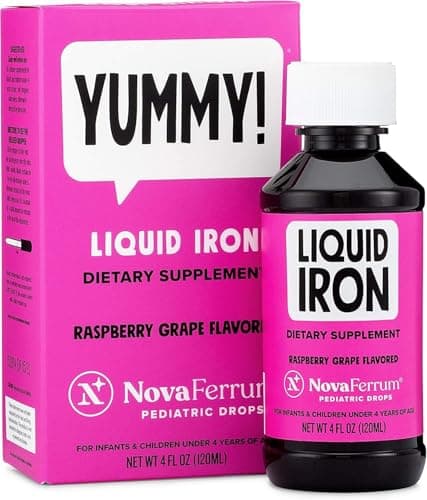
NovaFerrum Yummy | Pediatric Drops Liquid Iron Supplement…
Cost per serving
$0.87
30 servings · ~30-day supply
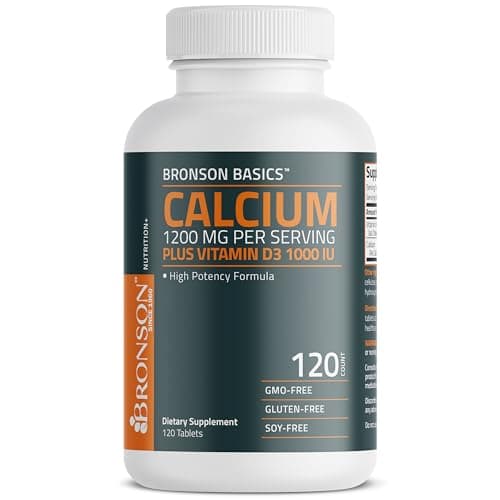
Bronson Calcium 1200mg Per Serving Plus Vitamin D3 1000 IU…
Cost per serving
$0.08
120 servings · ~120-day supply

Magnesium Citrate Capsules 1000mg | High Absorption Supplement…
Cost per serving
$0.15
120 servings · ~120-day supply
Related guides
Which supplements not to take together: an honest timing guide
A practical guide to spacing supplements for absorption and safety: calcium vs iron and zinc, iron with vitamin C, zinc and copper, fat-soluble vitamins, and medications.
Best time to take your supplements: a per-nutrient cheat sheet
Fat-soluble vitamins with a meal, magnesium in the evening, iron on an empty stomach with vitamin C, and the pairs you should NOT take together. A practical, evidence-based timing guide.
Testosterone Supplements: What the Evidence Actually Supports
A hedged, evidence-minded look at testosterone supplements: why most "T-booster" blends underdeliver, and the cheap deficiency-correction approach.
Is the 'premium' supplement form worth the money?
Chelated magnesium, bisglycinate iron, ubiquinol CoQ10, picolinate zinc — the upgraded forms often cost several times more per dose for a real-but-modest benefit that matters for some people and is pure marketing for others. When to pay up and when to skip it.