Is the 'premium' supplement form worth the money?
Quick answer
Chelated magnesium, bisglycinate iron, ubiquinol CoQ10, picolinate zinc — the upgraded forms often cost several times more per dose for a real-but-modest benefit that matters for some people and is pure marketing for others. When to pay up and when to skip it.
Alex Soto, Founder, VitaminDB
7 min readUpdated 7/2/2026 NIH-sourced
On this page
"Premium form" is one of the most profitable phrases in the supplement aisle. Chelated, body-ready, high-absorption, patented — each of these can justify a price several times higher than the plain version sitting next to it. Sometimes that premium buys something real. Often it buys a story. Here's how to tell them apart before you pay.
What the "upgrade" actually is
Most premium forms are the same mineral or nutrient bonded to a fancier carrier, or supplied in a more body-ready state:
- Magnesium glycinate / bisglycinate vs plain oxide — chelated to an amino acid instead of bound to oxygen.
- Iron bisglycinate vs ferrous sulfate — a gentle chelate instead of the cheap, standard salt.
- CoQ10 ubiquinol vs ubiquinone — the reduced, "already-converted" form instead of the standard one.
- Zinc picolinate vs gluconate — a different carrier acid on the same zinc.
The pitch is always absorption, tolerability, or both. The reality is a spectrum: some of these upgrades are meaningful, some are marginal, and the price rarely tracks the size of the benefit.
The honest version of the benefit
For each of these, the well-established contrast is real but usually modest — and it matters more for some people than others:
- Magnesium oxide genuinely is poorly absorbed and mostly acts as a laxative, so glycinate's edge in tolerability and absorbed magnesium per pill is one of the more legitimate upgrades here. Whether it's worth the gap depends on your gut and your reason for taking it. See magnesium glycinate vs oxide.
- Iron bisglycinate is often marketed as easier on the stomach than ferrous sulfate; many people do tolerate it better, but the evidence is mixed and plain sulfate is a cheap, effective standard. A tolerability question, not a treatment claim. See iron bisglycinate vs ferrous sulfate.
- CoQ10 ubiquinol tends to absorb somewhat better than ubiquinone, which matters more after about age 40 — but a well-made oil-based ubiquinone with a fatty meal works fine for most younger people at a lower price. See ubiquinol vs ubiquinone.
- Zinc picolinate is often claimed to absorb better than gluconate; the difference in practice is small for most people, and both are inexpensive relative to the fancier chelates. See zinc picolinate vs gluconate.
Notice the pattern: "somewhat better," "often marketed," "matters more for some people." None of these are miracle upgrades. They're incremental, and mostly about comfort and consistency rather than a categorical leap.
The NIH fact sheet backs the general shape of the upgrade for magnesium specifically: forms that dissolve well in liquid have higher absorption, and aspartate, citrate, lactate and chloride tend to have higher bioavailability than magnesium oxide and magnesium sulfate. Note what it does not say — nothing about a premium form doing anything the cheap form cannot, once you match the elemental dose.
What the premium actually costs
The price gap, on the other hand, is not incremental. The upgraded form frequently costs several times more per dose than the plain one — a much bigger multiplier than the absorption edge would justify on paper. You're often paying a 2–4× premium (sometimes more) for a benefit measured in modest percentages.
We track this directly in the form-premium study, which compares what the chelated and "premium" forms actually cost per dose against their plain counterparts across the catalog. The takeaway isn't "premium forms are a scam" — some are worth it — it's that the price premium and the real-world benefit are often badly mismatched, and the label never shows you that.
When it's worth paying up
Pay the premium on purpose when:
- The cheap form doesn't agree with you — ferrous sulfate wrecks your stomach, oxide sends you to the bathroom. Tolerability is the single best reason to upgrade.
- You're in a group where absorption matters more — e.g. ubiquinol after ~40, when the body converts CoQ10 less efficiently.
- You've had a real problem with a plain form and a clinician suggested switching.
Skip it when:
- You're healthy and the plain form sits fine — a basic daily dose of a cheap, well-absorbed form does the job.
- The upgrade is one of the marginal ones (picolinate-vs-gluconate territory) and the price jump is large.
- The only argument for it is on the front of the bottle.
How to decide in 30 seconds
For any "premium form" bottle: name the specific benefit it's claiming (absorption? gut tolerance?), decide whether that benefit applies to you, then check the form-premium study and the relevant /compare or /best page to see how big the price premium actually is. If the benefit is real for your situation and the premium is small, upgrade. If the benefit is marginal or doesn't apply and the premium is several-fold, buy the plain one.
Bottom line
Premium forms are sometimes worth it and sometimes marketing — the trick is that the price premium (often several times more per dose) and the real, modest benefit are usually mismatched. Upgrade for a reason that applies to you, especially tolerability; otherwise the plain form does the same job for a fraction of the cost. Check the live numbers in the form-premium study and the full research. Shopping guidance, not medical advice.
Covered nutrients: Magnesium, Iron, CoQ10, Zinc
See the live cost-per-dose data
This guide is editorial — the prices below are real and current.
Frequently asked questions
Are premium supplement forms worth the extra money?
Sometimes. Chelated and "body-ready" forms (magnesium glycinate, iron bisglycinate, CoQ10 ubiquinol, zinc picolinate) often absorb somewhat better or sit easier on the stomach — a real but usually modest advantage. They also commonly cost several times more per dose. Worth it if the cheap form upsets your gut or you have a specific reason; often unnecessary for a healthy person taking a basic daily dose. Not medical advice.
Is magnesium glycinate really better than magnesium oxide?
For tolerability and absorbed magnesium per pill, glycinate has a genuine edge — oxide is poorly absorbed and mostly known as a laxative. Whether that's worth the price gap depends on why you take it and how your gut handles oxide. See the live cost-per-dose comparison linked below.
Does iron bisglycinate cause less stomach upset than ferrous sulfate?
It's often marketed that way, and many people do tolerate the gentler chelate better, but the evidence is mixed and ferrous sulfate remains a cheap, effective standard. If plain iron wrecks your stomach, the pricier form can be worth trying — a tolerability question, not a treatment claim, and one to raise with a clinician.
Where these numbers come from
Cost figures on this page are computed from 417 active Magnesium / Iron / CoQ10 / Zinc listings we track, last re-priced . Cost per dose is price ÷ (servings × dose), computed per listing — not a price we are quoted. Listings under $1 or with fewer than 3 servings are excluded, because both are usually a parse error rather than a bargain.
- Amazon.com · 408
- SuperSmart · 9
Prices move. Figures written into the text are re-checked against live data on a schedule; the ranking pages are always the current number.
Sources
Health claims on this page are drawn from these sources. Prices and cost-per-dose figures come from our own tracked listings, not from the sources below.
- 1.Magnesium: Fact Sheet for Health Professionals — NIH Office of Dietary Supplements
- 2.Iron: Fact Sheet for Health Professionals — NIH Office of Dietary Supplements
- 3.Coenzyme Q10 — NIH National Center for Complementary and Integrative Health
- 4.Zinc: Fact Sheet for Health Professionals — NIH Office of Dietary Supplements
Deals on these nutrients

Totaria Magnesium Complex 700mg 12 in 1 Magnesium Supplement…
Cost per serving
$0.18
120 servings · ~120-day supply
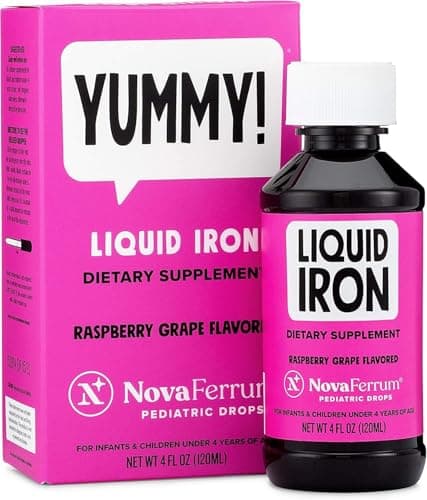
NovaFerrum Yummy | Pediatric Drops Liquid Iron Supplement…
Cost per serving
$0.87
30 servings · ~30-day supply
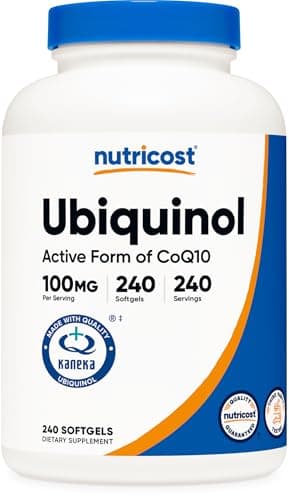
Nutricost Ubiquinol Softgels (100mg
Cost per serving
$0.30
240 servings · ~240-day supply

Magnesium Citrate Capsules 1000mg | High Absorption Supplement…
Cost per serving
$0.15
120 servings · ~120-day supply
Related guides
Which supplements not to take together: an honest timing guide
A practical guide to spacing supplements for absorption and safety: calcium vs iron and zinc, iron with vitamin C, zinc and copper, fat-soluble vitamins, and medications.
Best time to take your supplements: a per-nutrient cheat sheet
Fat-soluble vitamins with a meal, magnesium in the evening, iron on an empty stomach with vitamin C, and the pairs you should NOT take together. A practical, evidence-based timing guide.
Can you take too much? The supplement upper limits that actually matter
Water-soluble vitamins you flush out; fat-soluble vitamins and minerals accumulate and have real ceilings. The NIH upper limits worth knowing — vitamin A, D, iron, zinc, B6, selenium — and why megadoses backfire.
Testosterone Supplements: What the Evidence Actually Supports
A hedged, evidence-minded look at testosterone supplements: why most "T-booster" blends underdeliver, and the cheap deficiency-correction approach.