Best time to take your supplements: a per-nutrient cheat sheet
Quick answer
Fat-soluble vitamins with a meal, magnesium in the evening, iron on an empty stomach with vitamin C, and the pairs you should NOT take together. A practical, evidence-based timing guide.
Alex Soto, Founder, VitaminDB
7 min readUpdated 6/28/2026 NIH-sourced
On this page
The single biggest timing mistake is taking fat-soluble vitamins and iron the wrong way — everything else is mostly about consistency. Here's the practical cheat sheet, then the pairs to keep apart.
Take WITH a meal (ideally one with fat)
Fat-soluble vitamins — D3, A, E, K2 — and omega-3 absorb substantially better with dietary fat. Taking a vitamin D softgel with a low-fat breakfast or on an empty stomach leaves absorption on the table.
- Vitamin D3: with your main fatty meal. (Dosing details in vitamin D3 dosing.)
- Omega-3: with food — also cuts fishy burps. (See omega-3 EPA/DHA explained.)
- CoQ10, vitamin E, vitamin K2: same rule — with fat.
Take on an EMPTY stomach (with a catch)
The clearest timing rule in the NIH material is a separation, not a clock: experts recommend taking calcium and iron supplements at different times to avoid interference with iron absorption — calcium being unusual in that it reduces the bioavailability of both nonheme and heme iron.
Iron absorbs best on an empty stomach plus vitamin C (which boosts non-heme iron uptake) — but it's also the most likely to cause nausea. The fix for sensitive stomachs is a gentler form rather than taking it with food; see iron without stomach upset. Keep iron away from calcium, coffee, and tea, which sharply reduce absorption.
Take in the EVENING
Magnesium (especially glycinate) is calming and gentle, so many people take it at night for sleep and muscle relaxation. It's not a hard rule — consistency wins — but evening suits its profile. Malate is the more daytime-leaning form (magnesium forms decoded).
Anytime (just be consistent)
Most water-soluble vitamins — vitamin C, the B-complex — don't need a specific time. Vitamin C absorption falls at very high single doses, so split large amounts. B vitamins can be mildly energizing for some people, so morning is a reasonable default.
The "don't combine" list (absorption competition)
Some nutrients compete for the same uptake pathways. Separate these by a couple of hours:
- Iron ↔ calcium / zinc / coffee / tea — all blunt iron.
- Zinc ↔ high-dose iron, and ↔ calcium.
- Calcium ↔ iron, and ↔ thyroid medication.
- Magnesium ↔ tetracycline / quinolone antibiotics and bisphosphonates — hours apart (per the NIH).
A simple, high-yield routine
- Main meal: D3, K2, omega-3, CoQ10 (fat-soluble crew).
- Separate slot, empty stomach + vitamin C: iron (if you supplement it).
- Evening: magnesium.
- Anytime: vitamin C, B-complex.
That captures nearly all the absorption upside without a complicated schedule.
Don't forget cost per dose
Timing maximizes what you absorb; cost per dose maximizes what you pay for it. Once you've picked forms, compare each on real cost per serving — browse every nutrient from the VitaminDB nutrient index (we rank by cost per effective dose, not sticker price — methodology).
General intake references here are from the NIH Office of Dietary Supplements and are not medical advice.
Covered nutrients: Vitamin D3, Magnesium, Iron, Zinc, Vitamin C, Omega-3 EPA/DHA
See the live cost-per-dose data
This guide is editorial — the prices below are real and current.
Frequently asked questions
Does timing really matter, or is consistency enough?
For most water-soluble vitamins, consistency matters most — take them whenever you'll remember. Timing matters more in three situations — fat-soluble vitamins (A, D, E, K) absorb far better with a fatty meal, iron absorbs best on an empty stomach with vitamin C and away from calcium and coffee, and a few minerals compete with each other (see the do-not-combine list below).
Which supplements should NOT be taken together?
Separate iron from calcium, zinc, and coffee/tea (they blunt iron absorption); separate zinc from high-dose iron and from calcium; and separate calcium from iron and from thyroid medication. Magnesium and some antibiotics (tetracyclines, quinolones) should be hours apart.
Can I take everything at once to keep it simple?
You can for general multivitamins, but you'll lose absorption on iron (if taken with calcium/coffee) and may upset your stomach. A simple split — fat-soluble + omega-3 with your main meal, iron separately with vitamin C, magnesium in the evening — captures most of the gains.
Where these numbers come from
Cost figures on this page are computed from 919 active Vitamin D3 / Magnesium / Iron / Zinc / Vitamin C / Omega-3 EPA/DHA listings we track, last re-priced . Cost per dose is price ÷ (servings × dose), computed per listing — not a price we are quoted. Listings under $1 or with fewer than 3 servings are excluded, because both are usually a parse error rather than a bargain.
- Amazon.com · 908
- SuperSmart · 11
Prices move. Figures written into the text are re-checked against live data on a schedule; the ranking pages are always the current number.
Sources
Health claims on this page are drawn from these sources. Prices and cost-per-dose figures come from our own tracked listings, not from the sources below.
- 1.Vitamin D: Fact Sheet for Health Professionals — NIH Office of Dietary Supplements
- 2.Magnesium: Fact Sheet for Health Professionals — NIH Office of Dietary Supplements
- 3.Iron: Fact Sheet for Health Professionals — NIH Office of Dietary Supplements
- 4.Zinc: Fact Sheet for Health Professionals — NIH Office of Dietary Supplements
- 5.Vitamin C: Fact Sheet for Health Professionals — NIH Office of Dietary Supplements
- 6.Omega-3 Fatty Acids: Fact Sheet for Health Professionals — NIH Office of Dietary Supplements
Deals on these nutrients

Totaria Magnesium Complex 700mg 12 in 1 Magnesium Supplement…
Cost per serving
$0.18
120 servings · ~120-day supply
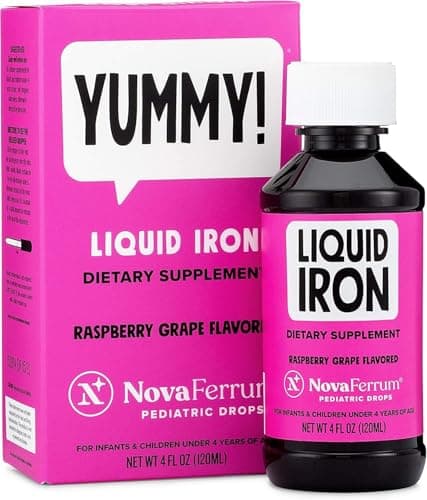
NovaFerrum Yummy | Pediatric Drops Liquid Iron Supplement…
Cost per serving
$0.87
30 servings · ~30-day supply
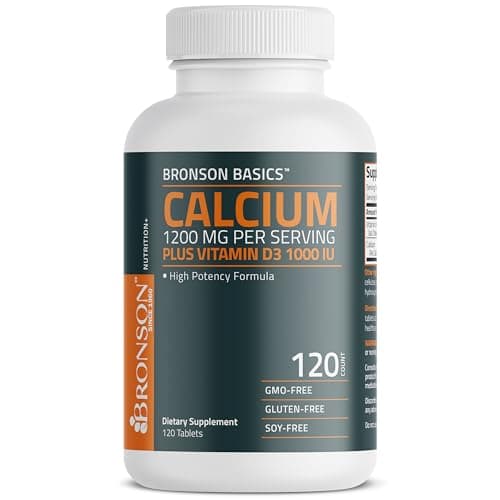
Bronson Calcium 1200mg Per Serving Plus Vitamin D3 1000 IU…
Cost per serving
$0.08
120 servings · ~120-day supply

Magnesium Citrate Capsules 1000mg | High Absorption Supplement…
Cost per serving
$0.15
120 servings · ~120-day supply
Related guides
What a supplement should cost per dose — and how to tell if you're overpaying
The sticker price on the bottle is the wrong number. Cost per dose — price ÷ servings ÷ active amount — is what you actually pay each day, and the same dose can cost many times more just depending on the brand.
Can you take too much? The supplement upper limits that actually matter
Water-soluble vitamins you flush out; fat-soluble vitamins and minerals accumulate and have real ceilings. The NIH upper limits worth knowing — vitamin A, D, iron, zinc, B6, selenium — and why megadoses backfire.
Which supplements not to take together: an honest timing guide
A practical guide to spacing supplements for absorption and safety: calcium vs iron and zinc, iron with vitamin C, zinc and copper, fat-soluble vitamins, and medications.
The Full GLP-1 Supplement Stack: What to Take & Cost Per Day
A cost-per-dose companion supplement stack for GLP-1 users (Ozempic/Mounjaro): protein, vitamin D, magnesium, B12, omega-3 — and the full daily cost.