Magnesium forms decoded: glycinate vs citrate vs oxide
Quick answer
For everyday use, buy magnesium glycinate or citrate — both are well absorbed — and skip oxide, which is cheap but mostly acts as a laxative. Compare by cost per elemental-magnesium dose (read the Supplement Facts panel, not the front label), and keep supplemental magnesium at or below the 350 mg/day upper limit.
Alex Soto, Founder, VitaminDB
5 min readUpdated 4/29/2026
On this page
Magnesium is sold under at least eight chemical forms in pharmacies and online — they are not interchangeable. The active mineral content (elemental magnesium) and how much your gut actually absorbs both vary enormously.
The three forms worth knowing
Glycinate (a.k.a. bisglycinate)
Magnesium bound to glycine. High bioavailability, gentle on the gut, mildly calming because glycine itself has GABAergic effects. This is the form to pick if you want the "calm down, sleep better" benefit. Cost-per-dose runs $0.10–0.20 across the US.
Citrate
Magnesium bound to citric acid. Good bioavailability, but mildly laxative at doses above ~300 mg. A reasonable daily option if glycinate is out of stock. $0.05–0.12 per dose.
Oxide
Cheapest form. Low absorption (~4% of the elemental magnesium actually crosses your gut wall). Almost everything you swallow leaves as a salt. Why is it sold? Because German and French pharmacy regulations let it count as "magnesium" on the label by elemental weight — the bottle says "375 mg magnesium" but you absorb roughly 15 mg. Use it as a laxative, don't expect muscle or sleep effects.
Forms to ignore for daily use
- L-threonate — marketed as the "brain-penetrating" form. Thin clinical data, premium price ($0.50+ per dose).
- Malate — fine, no real advantage over citrate.
- Sulfate — Epsom salts; topical / bath use, not oral.
- Aspartate — older form, largely replaced by glycinate.
- Orotate — niche cardiology research, expensive, not worth paying for.
Daily target
The EFSA reference intake for adults is 350 mg elemental magnesium for men, 300 mg for women. Most diets in Western Europe hit ~250 mg via food. So a 100–150 mg supplement closes the gap; doses above 400 mg supplemental rarely add benefit and usually cause loose stools.
Practical buying rule
Take the elemental-magnesium number on the label, not the compound weight. A 1000 mg "magnesium glycinate" capsule is roughly 140 mg elemental magnesium. Two capsules = your day's gap. Aim for $0.05–0.15 per dose of glycinate or citrate. Skip oxide unless you specifically want the laxative effect.
Covered nutrients: Magnesium
See the live cost-per-dose data
This guide is editorial — the prices below are real and current.
Frequently asked questions
What is the best form of magnesium to take?
For a daily supplement, glycinate (gentle, well tolerated) or citrate (cheap, mildly laxative) are the two worth considering — both are far better absorbed than oxide. Oxide is cheap but poorly absorbed and mostly acts as a laxative, so a low sticker price is misleading. Compare glycinate and citrate by cost per elemental-magnesium dose, not by the milligrams on the front label.
Why is magnesium oxide so cheap?
Because it is mostly not absorbed. Oxide is ~60% elemental magnesium by weight but your gut takes up only a small fraction of it, and the rest pulls water into the bowel (the laxative effect). A $3 bottle looks like value until you account for how little usable magnesium you actually get — which is why we rank by cost per absorbed dose, not per pill.
How much magnesium should I take per day?
General adult reference intakes are roughly 310-420 mg of elemental magnesium per day from all sources including food, and the tolerable upper limit for magnesium from SUPPLEMENTS specifically is 350 mg/day (exceeding it commonly causes loose stools), per the NIH Office of Dietary Supplements. Read the Supplement Facts panel for the elemental amount, not the compound weight on the front. Not medical advice.
Where these numbers come from
Cost figures on this page are computed from 170 active Magnesium listings we track, last re-priced . Cost per dose is price ÷ (servings × dose), computed per listing — not a price we are quoted. Listings under $1 or with fewer than 3 servings are excluded, because both are usually a parse error rather than a bargain.
- Amazon.com · 168
- SuperSmart · 2
Prices move. Figures written into the text are re-checked against live data on a schedule; the ranking pages are always the current number.
Sources
Health claims on this page are drawn from these sources. Prices and cost-per-dose figures come from our own tracked listings, not from the sources below.
- 1.Magnesium: Fact Sheet for Health Professionals — NIH Office of Dietary Supplements
Deals on these nutrients

Totaria Magnesium Complex 700mg 12 in 1 Magnesium Supplement…
Cost per serving
$0.18
120 servings · ~120-day supply

Magnesium Citrate Capsules 1000mg | High Absorption Supplement…
Cost per serving
$0.15
120 servings · ~120-day supply
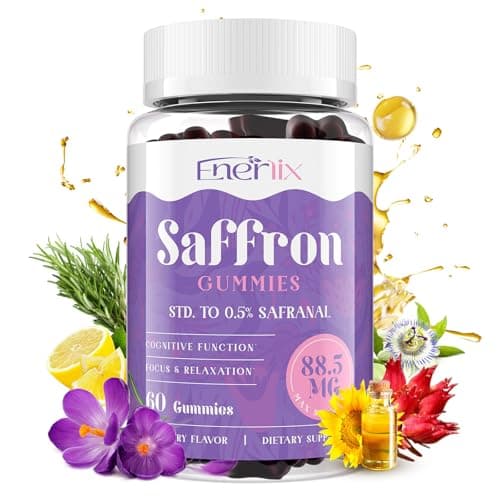
Enerlix Saffron Gummies 88.5 mg with Magnesium
Cost per serving
$0.31
60 servings · ~60-day supply

Hydrogen Water Tablets with 120MG Magnesium
Cost per serving
$0.17
60 servings · ~60-day supply
Related guides
The cheapest supplements to support GLP-1s, by cost per dose
Protein, fibre, electrolytes and a few key vitamins are the supplements most often paired with GLP-1 medications. Review sites list a price and a dose but never divide the two — so here's the same list ranked the only way that tells you what you're really paying: cost per dose.
Vitamin D on Ozempic and other GLP-1s: why it slips, and what a day of it costs
Vitamin D is the deficiency most often reported in people on GLP-1 medications — one 2026 review found about 14% were deficient at a year. It's also one of the cheapest supplements per dose. Here's the why, the sensible numbers, and the cost per 1,000 IU.
Is the 'premium' supplement form worth the money?
Chelated magnesium, bisglycinate iron, ubiquinol CoQ10, picolinate zinc — the upgraded forms often cost several times more per dose for a real-but-modest benefit that matters for some people and is pure marketing for others. When to pay up and when to skip it.
Third-party supplement testing explained: USP, NSF, Informed Sport and the rest
Supplements are not FDA-approved before sale, so third-party seals are the main independent check on what's actually in the bottle. Here's what USP, NSF, NSF Certified for Sport, Informed Sport and Informed Choice each test — and why 'GMP certified' is not the same thing.