Iron without the stomach upset: forms, timing, and the vitamin C trick
Quick answer
Ferrous sulfate is cheap and effective but wrecks a lot of stomachs. Bisglycinate and slow-release cost more and treat people gently. How to actually absorb iron without the misery.
Alex Soto, Founder, VitaminDB
6 min readUpdated 6/11/2026 NIH-sourced
On this page
Iron is the supplement most likely to make people quit. Not because it does not work — ferrous sulfate corrects deficiency reliably and costs almost nothing — but because the cheap form makes a large fraction of users nauseous and constipated. The good news: the gut misery is mostly a form and timing problem, and both are fixable.
Test first. Iron is not a "just in case" supplement. Excess iron accumulates in the body and is harmful. Only supplement if a blood test (iron, ferritin) says you are low. The rest of this guide assumes you have that confirmation.
The forms, from harshest to gentlest
Ferrous sulfate
The standard. Cheapest per milligram of elemental iron, the most studied, and the most effective at raising levels fast. It is also the roughest on the stomach — it dumps free iron quickly, irritating the gut lining. A 65 mg elemental dose (325 mg ferrous sulfate) is the classic deficiency-correction tablet. If you tolerate it, it is the best value by a wide margin.
Ferrous bisglycinate (chelated)
Iron bound to glycine. Released more gradually and noticeably gentler on digestion, with less nausea and constipation in head-to-head reports. Absorption per milligram is comparable or better, so the lower elemental doses common in bisglycinate products are not a downside. This is the form to try if sulfate made you miserable.
Slow-release / controlled-release
Engineered to dissolve gradually so less free iron hits the gut at once. Marketed specifically at people who could not tolerate standard iron. The trade-off some studies note is slightly lower total absorption (some passes the absorption window), but for people who would otherwise quit, a tolerated dose beats a perfect dose they refuse to take.
Liquid iron (for kids and sensitive adults)
Flexible dosing and often gentler. The standard choice for infants and toddlers, and useful for adults who cannot swallow tablets.
The two free upgrades that beat changing brands
Both are in the NIH fact sheet rather than in marketing copy: the various forms of iron contain different amounts of elemental iron, and certain forms may be more likely to cause gastrointestinal side effects at high doses, and experts recommend taking calcium and iron supplements at different times because calcium reduces the absorption of both nonheme and heme iron. Proton pump inhibitors can reduce it too.
1. Take it with vitamin C. Non-heme (supplement) iron absorbs far better in the presence of vitamin C, which keeps it in the absorbable ferrous form. A glass of orange juice or a 100–250 mg C tablet alongside your iron is the highest-leverage thing you can do — and it is free if you already have C.
2. Keep it away from blockers. Coffee, tea (tannins), calcium, and dairy all sharply reduce iron absorption. Do not take your iron with breakfast cereal-and-milk or your morning coffee. Space it a couple of hours from those.
Timing and tolerance
- Every other day may beat daily. Recent research suggests alternate-day dosing can absorb a higher fraction of each dose (daily iron raises a blocking hormone, hepcidin), often with fewer side effects. Ask your doctor, but it is worth knowing.
- With or without food. Empty stomach absorbs best but hurts most. If that is intolerable, take it with a little food that is not a calcium or tannin source.
Bottom line
If your stomach can handle it, ferrous sulfate plus vitamin C is the cheapest effective iron there is. If it cannot, switch to bisglycinate or slow-release before you give up — the gentler forms exist precisely for you. And always pair iron with vitamin C and away from coffee, tea, and calcium. Test first; supplement because a result said to.
Covered nutrients: Iron, Vitamin C
See the live cost-per-dose data
This guide is editorial — the prices below are real and current.
Frequently asked questions
Why does iron upset my stomach so much?
Ferrous sulfate, the cheapest and most common form, releases free iron quickly in the gut, which irritates the lining and causes nausea, cramping and constipation in a large share of users. Gentler forms (bisglycinate, slow-release) release iron more gradually, which is the entire reason they cost more.
Should I take iron with vitamin C?
Yes — vitamin C substantially increases absorption of non-heme (supplement) iron by keeping it in the more absorbable ferrous state. Taking iron with a glass of orange juice or a 100–250 mg vitamin C tablet is the single most effective free upgrade. Avoid taking it with coffee, tea, calcium or dairy, which block absorption.
Do I even need an iron supplement?
Only if you have low iron or ferritin — confirmed by a blood test. Iron is not a supplement to take "just in case"; excess iron accumulates and is harmful. Supplement because a test said to, not because you feel tired.
Where these numbers come from
Cost figures on this page are computed from 238 active Iron / Vitamin C listings we track, last re-priced . Cost per dose is price ÷ (servings × dose), computed per listing — not a price we are quoted. Listings under $1 or with fewer than 3 servings are excluded, because both are usually a parse error rather than a bargain.
- Amazon.com · 235
- SuperSmart · 3
Prices move. Figures written into the text are re-checked against live data on a schedule; the ranking pages are always the current number.
Sources
Health claims on this page are drawn from these sources. Prices and cost-per-dose figures come from our own tracked listings, not from the sources below.
- 1.Iron: Fact Sheet for Health Professionals — NIH Office of Dietary Supplements
- 2.Vitamin C: Fact Sheet for Health Professionals — NIH Office of Dietary Supplements
Deals on these nutrients
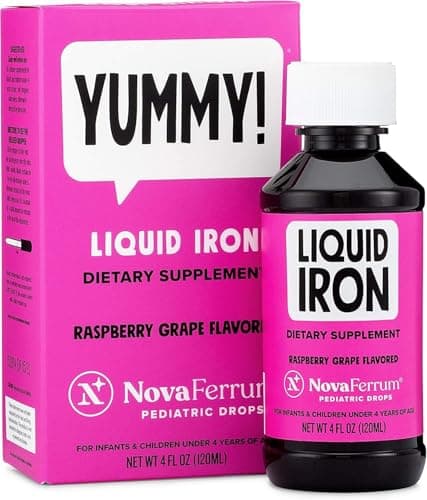
NovaFerrum Yummy | Pediatric Drops Liquid Iron Supplement…
Cost per serving
$0.87
30 servings · ~30-day supply

Nature Made Maximum Strength Dosage Vitamin C 1000mg per…
Cost per serving
$0.18
80 servings · ~80-day supply
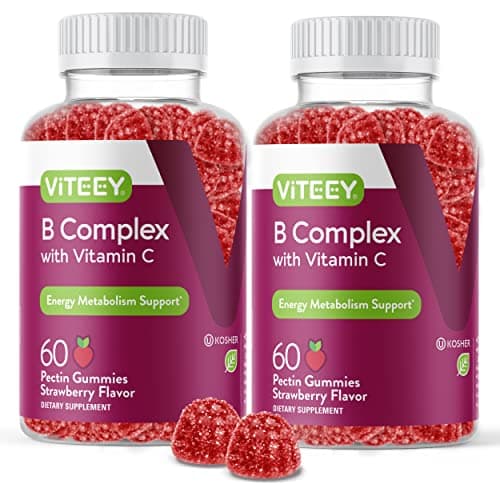
Viteey Vitamin B Complex Gummies with Vitamin C - 120 Count…
Cost per serving
$0.22
120 servings · ~120-day supply

Regeskr Liposomal Glutathione Supplement
Cost per serving
$0.37
60 servings · ~60-day supply
Related guides
Best time to take your supplements: a per-nutrient cheat sheet
Fat-soluble vitamins with a meal, magnesium in the evening, iron on an empty stomach with vitamin C, and the pairs you should NOT take together. A practical, evidence-based timing guide.
Is the 'premium' supplement form worth the money?
Chelated magnesium, bisglycinate iron, ubiquinol CoQ10, picolinate zinc — the upgraded forms often cost several times more per dose for a real-but-modest benefit that matters for some people and is pure marketing for others. When to pay up and when to skip it.
What a supplement should cost per dose — and how to tell if you're overpaying
The sticker price on the bottle is the wrong number. Cost per dose — price ÷ servings ÷ active amount — is what you actually pay each day, and the same dose can cost many times more just depending on the brand.
Which supplements not to take together: an honest timing guide
A practical guide to spacing supplements for absorption and safety: calcium vs iron and zinc, iron with vitamin C, zinc and copper, fat-soluble vitamins, and medications.