
🩸
Iron
mineral · 67 active deals
How much does Iron cost?
The best-value Iron right now is about $0.01 per dose — across the 60 we can price per dose the median is $0.085/dose, so shopping on cost-per-dose can cut your cost several-fold. Every Iron deal here is ranked by cost per dose — what you actually pay per serving, not the sticker price — because forms and absorption differ, so the cheapest bottle isn’t always the cheapest dose.
Prices checked · live from the Amazon US catalog.
Right now the best value across our full Iron catalog is at $0.01 per serving.
Median $0.085/servingCheapest quartile under $0.055across 60 tracked Iron deals
Recommended daily intake
Daily Value 18 mgUpper limit 45 mg
Only supplement iron if you’re low — excess is harmful. Upper limit is 45 mg. General FDA/NIH adult guidance — not medical advice.
What Iron does
Iron is an essential mineral that is a component of hemoglobin, the red blood cell protein that transfers oxygen from the lungs to the tissues, and of myoglobin, a protein that provides oxygen and supports muscle metabolism and healthy connective tissue. According to the NIH, iron is also necessary for physical growth, neurological development, cellular functioning, and the synthesis of some hormones. Iron supplementation has been studied for reducing the risk of iron deficiency anemia in pregnant women, infants, and toddlers, with some trials showing reduced anemia risk; however, guidance varies, and the U.S. Preventive Services Task Force has concluded that current evidence is insufficient to assess the balance of benefits and harms of routine screening and iron supplementation in asymptomatic pregnant women, and insufficient to recommend for or against routine screening in asymptomatic young children. Using iron supplementation to treat anemia of chronic disease remains controversial because of potential risks. — per the NIH Office of Dietary Supplements; not medical advice.
Forms & absorption
The most common forms in supplements are ferrous and ferric iron salts, such as ferrous sulfate, ferrous gluconate, ferric citrate, and ferric sulfate; ferrous iron is more bioavailable than ferric iron because of its higher solubility, per the NIH. Other forms include heme iron polypeptides, carbonyl iron, iron amino-acid chelates, and polysaccharide-iron complexes, which the sheet notes might cause fewer gastrointestinal side effects than ferrous or ferric salts. The different forms also contain varying amounts of elemental iron by weight (for example, ferrous fumarate is 33%, ferrous sulfate 20%, and ferrous gluconate 12%), though the elemental iron amount is listed on the Supplement Facts panel.
Elemental iron by form — read the label
A supplement's front-label figure is usually the compound weight, not elemental iron. By weight, iron carbonyl is about 98% elemental while gluconate is only about 12% — so a “1,000 mg gluconate” capsule delivers roughly 120 mg of elemental iron. Always compare the “Iron” line in the Supplement Facts panel, not the number on the front of the bottle.
| iron form | ~% elemental |
|---|
When and how to take Iron
Iron absorbs best on an empty stomach, and taking it with vitamin C (or a glass of orange juice) boosts absorption further. If it upsets your stomach, take it with a little food. Research suggests every-other-day dosing can absorb as well as daily for some people.
Can you take Iron with other supplements?
Keep iron away from calcium, coffee, tea, and dairy — all reduce its absorption — by a couple of hours. Space it from zinc and from thyroid medication too.
Iron side effects
Constipation, nausea, and dark stools are common. Do not supplement iron without knowing you need it — excess iron is harmful. A blood test should guide iron use.
General guidance on timing and absorption, not medical advice. Check with a clinician about your medications and conditions.


Futurebiotics Iron Bisglycinate 25mg Gentle on The Stomach
FuturebioticsAmazon.com
$0.11/serving
$9.990°

Nature’s Bounty Gentle Iron 28 mg Capsules with Vitamin C
Nature's BountyAmazon.com
$0.06/serving
$9.980°


Nature's Truth Iron Tablets | 65mg | 240 Count | 325mg Ferrous…
Nature's TruthAmazon.com
$0.04/serving
$9.990°

Doctor's Recipes Iron Supplement 65 mg with Vitamin C…
Doctor's RecipesAmazon.com
$0.27/serving
$16.290°


Nature Made Iron 65 mg (from Ferrous Sulfate) Tablets for Red…
Nature MadeAmazon.com
$0.04/serving
$13.490°


Solgar - Gentle Iron 25 mg Vegetable Capsules 180 Count 2 Pack…
SolgarAmazon.com
$0.10/serving
$36.390°


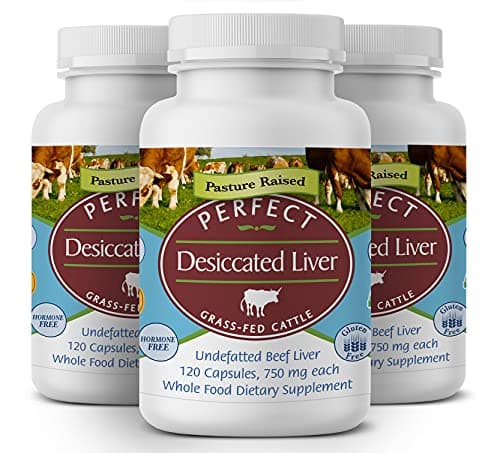
Perfect Supplements – Perfect Desiccated Liver – 120 Capsules…
Perfect SupplementsAmazon.com
$0.19/serving
$68.500°
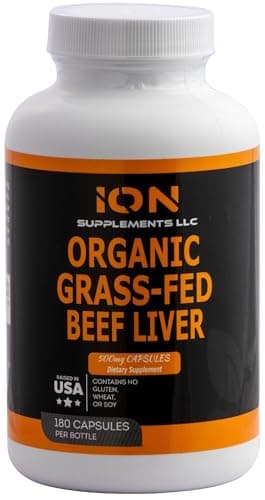
USDA Organic Grass Fed Beef Liver Capsules (180 Caps)…
Ion Supplements LLCAmazon.com
$0.13/serving
$23.600°
Every Iron deal above is ranked by real cost per dose with no paid placement — see our and .
Independent testing
2 of 20 tracked Iron brands here are flagged as carrying independent third-party testing — a voluntary check of a product's identity, potency and contaminants by an outside lab. It's a quality signal, not a value or efficacy claim. Confirm any brand's current status on the official registries:
Testing status is self-reported by the brand or drawn from public certification and may change — always verify on the official registry before purchase.
Iron — dosage, safety & deals FAQ
- How much Iron do you need per day?
Recommended Dietary Allowances range from 8 to 27 mg for adults, depending on age, sex, and life stage. Adult men get 8 mg; women 19–50 need 18 mg; women 51+ get 8 mg. Pregnancy is 27 mg and lactation 9 mg. People on vegetarian diets need 1.8 times more. — per the NIH Office of Dietary Supplements; general information, not medical advice.
- Can you take too much Iron?
Yes. The is 45 mg for adults (40–45 mg for children). High-dose supplements can cause gastric upset, constipation, nausea, abdominal pain, vomiting, and diarrhea. Acute intakes over 20 mg/kg can cause corrosive necrosis of the intestine; extremely high doses can cause organ failure, coma, convulsions, and death. — per the NIH Office of Dietary Supplements; general information, not medical advice.
- What are the signs of Iron deficiency?
Iron deficiency anemia can cause gastrointestinal disturbances, weakness, fatigue, and difficulty concentrating. It may also impair cognitive function, immune function, exercise or work performance, and body temperature regulation. In infants and children, it can cause psychomotor and cognitive abnormalities that may lead to learning difficulties. — per the NIH Office of Dietary Supplements; general information, not medical advice.
- Who is most likely to need more Iron?
Groups most likely to have inadequate iron intakes include pregnant women, infants and young children, women with heavy menstrual bleeding (menorrhagia), and frequent blood donors. People with certain conditions such as cancer, gastrointestinal disorders, and heart failure may also have inadequate intakes. — per the NIH Office of Dietary Supplements; general information, not medical advice.
Iron guides
Related minerals
References & sources
- Iron: Fact Sheet for Health Professionals — NIH Office of Dietary Supplements
- USP Verified product participants — U.S. Pharmacopeia
- NSF certified products — NSF
We link primary sources and paraphrase their findings — never copy their text, tables, or images. Cost-per-dose figures are our own first-party catalog data.