
Creatine Monohydrate Gummies for Women & Men - Supports Muscle…
OMNI CreatineAmazon.com
$0.55/serving
$49.500°
amino · 79 active deals
The best-value Creatine right now is about $0.02 per dose — across the 54 we can price per dose the median is $0.282/dose, so shopping on cost-per-dose can cut your cost several-fold. Every Creatine deal here is ranked by cost per dose — what you actually pay per serving, not the sticker price — because forms and absorption differ, so the cheapest bottle isn’t always the cheapest dose.
Prices checked · live from the Amazon US catalog.
Right now the best value across our full Creatine catalog is at $0.02 per gram.
Creatine is a compound that helps supply muscles with energy for short-term, predominantly anaerobic activity; the body produces some endogenously and obtains small amounts from the diet. According to the NIH Office of Dietary Supplements, numerous clinical trials generally show a benefit for high-intensity, intermittent activity, though responses can vary among individuals. It may increase strength, power, and work from maximal-effort muscle contractions, and over time it can help the body adapt to athletes' training regimens. The ODS notes creatine enhances performance during repeated short bursts of intense activity (such as sprinting and weightlifting) but is of little value for endurance sports like distance running or swimming. The extent of performance improvement differs among individuals, and the quality of much of the research is limited by small samples and short durations. — per NIH Office of Dietary Supplements; not medical advice.
Creatine monohydrate, which is 88% creatine by weight, is the most widely used and studied form, per the NIH Office of Dietary Supplements. Other, usually more expensive, forms (such as creatine ethyl ester, creatine alpha-ketoglutarate, and buffered forms of creatine) have not been proven superior to creatine monohydrate for raising muscle creatine levels, digestibility, product stability, or safety. A typical adult protocol is a loading phase of 20 g/day (in four 5 g portions) for 5–7 days followed by a maintenance dose of 3–5 g/day; some protocols instead use about 3–6 g/day for 3–4 weeks without a loading phase.
Creatine is produced endogenously (the body makes about 1 gram a day) and is obtained from the diet in small amounts from animal-based foods, such as beef and salmon (about 500 milligrams in a 4-ounce serving), per the NIH Office of Dietary Supplements. Dietary supplements provide much larger amounts than can be obtained from food.
Few safety concerns have been reported at typical doses (e.g., a loading dose of 20 g/day for up to 7 days and 3–5 g/day for up to 12 weeks), per the NIH Office of Dietary Supplements. Reported adverse effects include weight gain due to water retention, plus anecdotal reports of nausea, diarrhea, muscle cramps, muscle stiffness, and heat intolerance. NIH NCCIH adds that there have been reports creatine may impair liver and kidney function and that it has been linked to an increased risk of compartment syndrome; it also states there are no data documenting the safety of creatine in children or adolescents, and that the American Academy of Pediatrics and the American College of Sports Medicine warn teens should not use performance-enhancing supplements, including creatine.
For creatine, daily consistency matters far more than timing — take 3–5 g every day and the exact time of day makes little difference. A loading phase is optional; steady daily dosing reaches the same muscle saturation in a few weeks.
It stacks fine with protein, caffeine, and other supplements. Taking it with carbs may modestly aid uptake but is not essential.
The main effect is a small gain in water weight early on. Staying hydrated avoids the occasional cramping or bloating some report.
General guidance on timing and absorption, not medical advice. Check with a clinician about your medications and conditions.
Creatine Monohydrate Gummies for Women & Men - Supports Muscle…

Ballistic Creatine HCL Capsules | 750mg Creatine Hydrochloride…


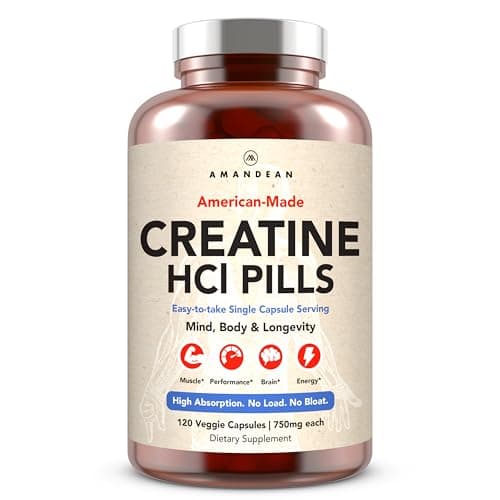
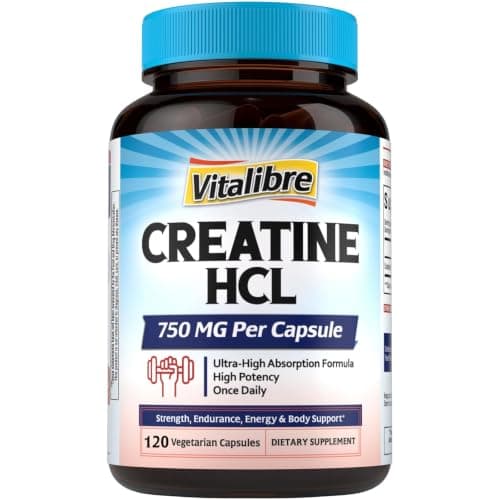
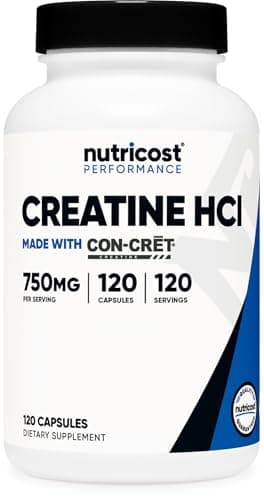

JYM Supplement Science Pre JYM Pineapple Strawberry Pre…
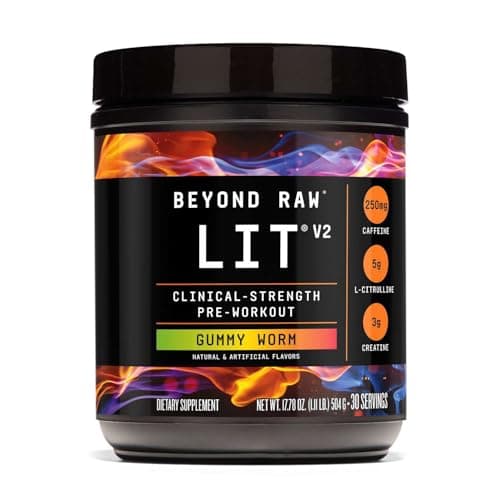
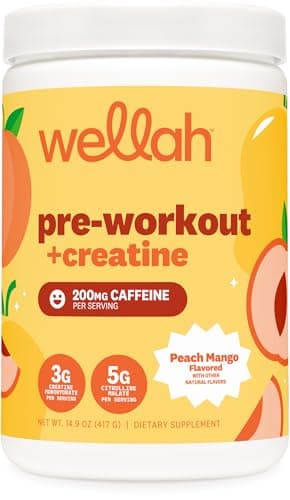
Wellah Pre-Workout + Creatine Powder (30 Servings) Peach Mango…
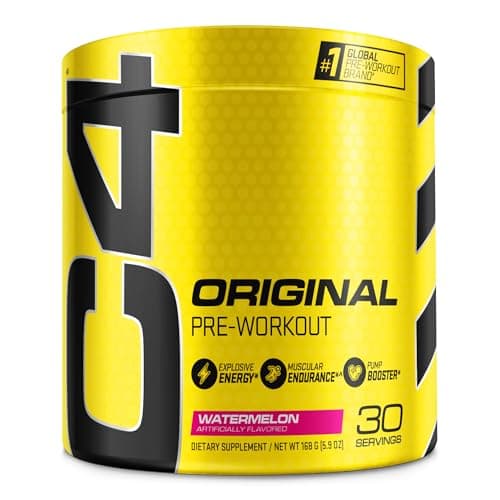
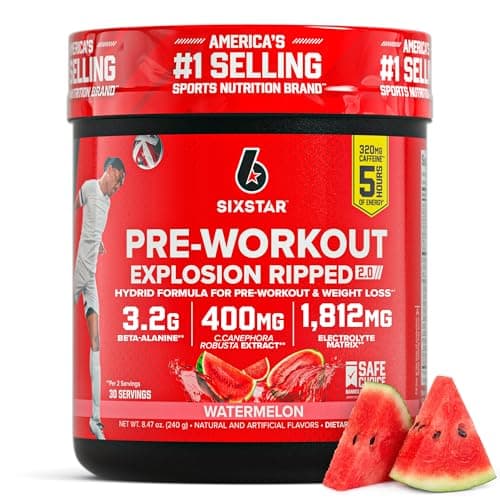
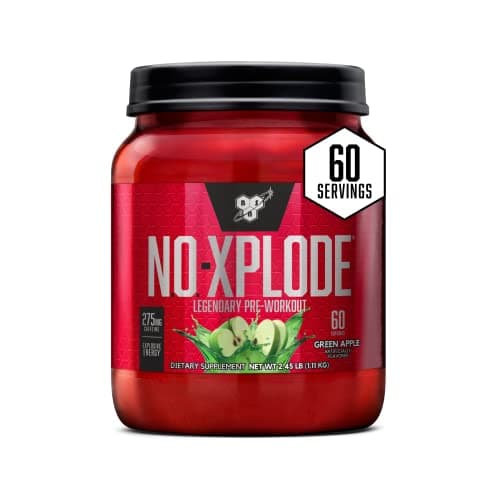
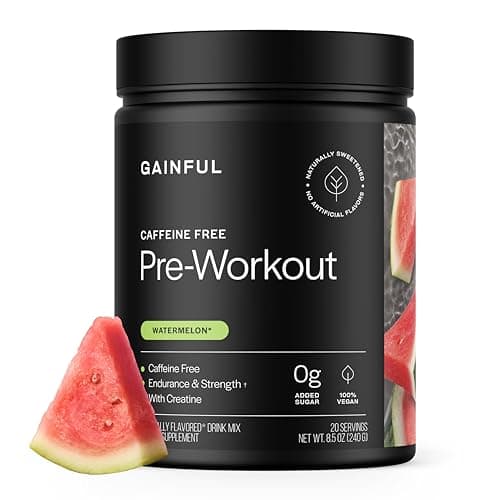
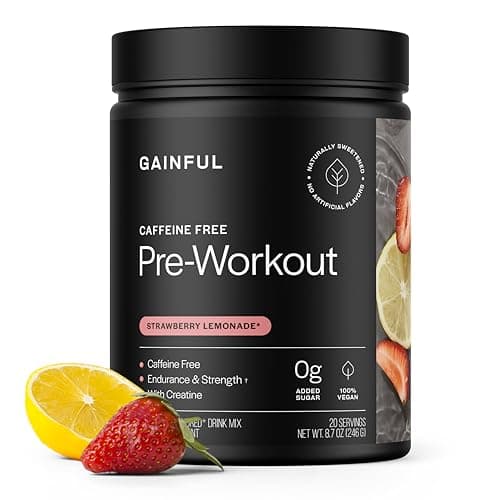
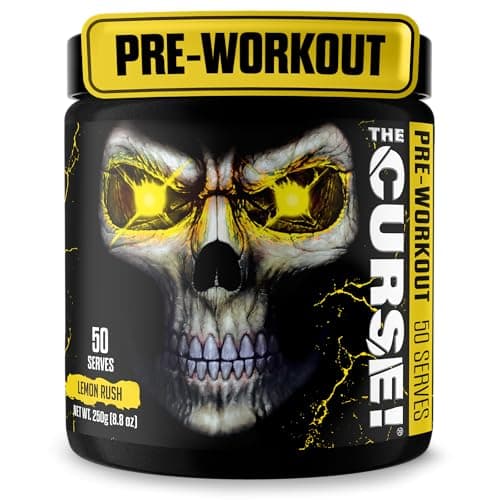
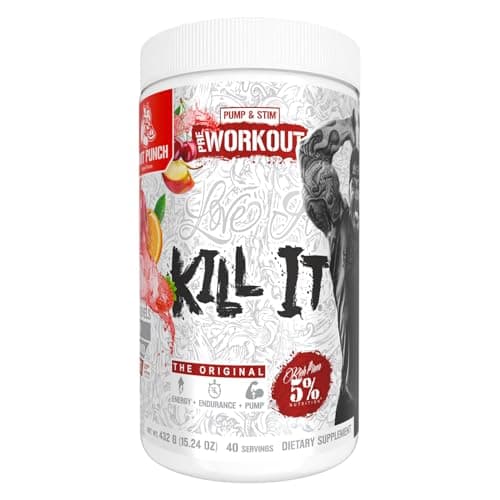
5% Nutrition Rich Piana Kill It Pre Workout Powder w/Creatine

ProSupps Dr. Jekyll Signature Pre Workout Powder with Creatine…

ProSupps Dr. Jekyll Signature Pre Workout Powder with Creatine…
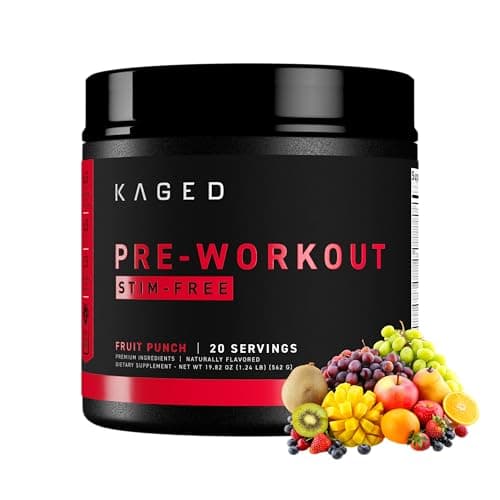
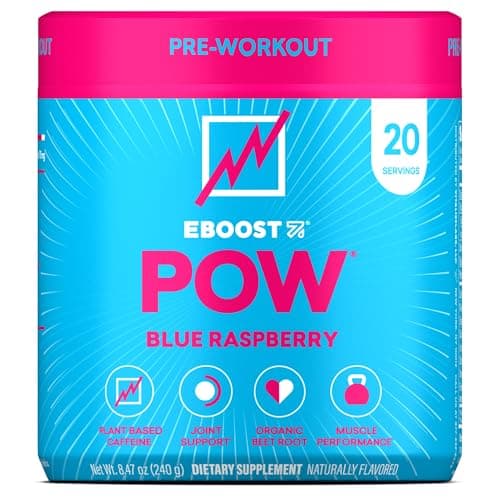

Insane Labz Psychotic Black Edition Mid Stimulant Pre Workout…
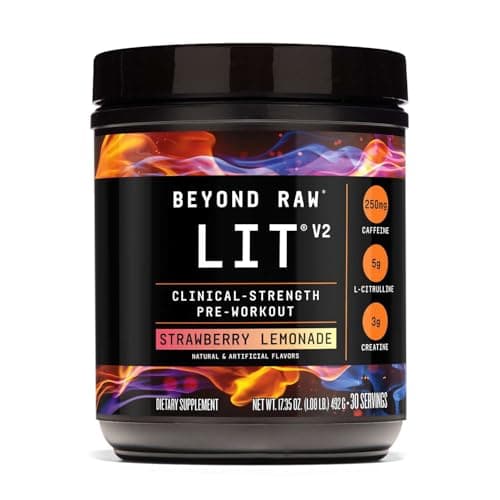
Every Creatine deal above is ranked by real cost per dose with no paid placement — see our and .
Independent third-party testing is a voluntary check of a product's identity, potency and contaminants by an outside lab. It's a quality signal, not a value or efficacy claim. Confirm any brand's current status on the official registries:
Testing status is self-reported by the brand or drawn from public certification and may change — always verify on the official registry before purchase.
The cheapest creatine we track works out to $0.02 per gram. That is real from live Amazon US prices, not the sticker price. The full ranking is on the Best Creatine page.
HEARTHY FOODS Creatine Monohydrate Micronized Powder 500G - 100 Servings at $0.02 per gram — the lowest cost-per-dose creatine in our catalog. See the full ranking on the Best Creatine page.
We're tracking 79 active Creatine deals across Amazon US and partner retailers, ranked by community votes and cost-per-dose — not paid placement.
Deals are submitted by the community and ranked by net votes (hot minus cold) plus cost-per-dose normalised across container sizes. We take no affiliate kickbacks for ordering; sponsored slots, when present, are clearly badged.
3–5 g/day of creatine monohydrate, taken every day — timing does not matter. An optional loading phase (~20 g/day split for 5–7 days) saturates muscles faster but is not required. Our creatine calculator sizes it to your body weight.
We link primary sources and paraphrase their findings — never copy their text, tables, or images. Cost-per-dose figures are our own first-party catalog data.
Per NIH NCCIH, people at risk of kidney problems should check with their health care providers before using creatine and be carefully monitored while using it; the ODS fact sheet lists no specific drug interactions for creatine.
Few safety concerns have been reported at typical doses (e.g., a loading dose of 20 g/day for up to 7 days and 3–5 g/day for up to 12 weeks), per the NIH Office of Dietary Supplements. Reported adverse effects include weight gain due to water retention, plus anecdotal reports of nausea, diarrhea, muscle cramps, muscle stiffness, and heat intolerance. NIH NCCIH adds that there have been reports creatine may impair liver and kidney function and that it has been linked to an increased risk of compartment syndrome; it also states there are no data documenting the safety of creatine in children or adolescents, and that the American Academy of Pediatrics and the American College of Sports Medicine warn teens should not use performance-enhancing supplements, including creatine.
Creatine is produced endogenously (the body makes about 1 gram a day) and is obtained from the diet in small amounts from animal-based foods, such as beef and salmon (about 500 milligrams in a 4-ounce ), per the NIH Office of Dietary Supplements. Dietary supplements provide much larger amounts than can be obtained from food.
Per NIH NCCIH, people at risk of kidney problems should check with their health care providers before using creatine and be carefully monitored while using it; the ODS fact sheet lists no specific drug interactions for creatine.
Dosage, upper-limit, deficiency, food-source and interaction facts are sourced from the NIH Office of Dietary Supplements Creatine fact sheet. General information, not medical advice.