Creatine Side Effects: What the Evidence Actually Shows
Quick answer
For healthy adults, creatine monohydrate is one of the most-studied sports supplements and is generally regarded as safe at commonly studied doses of about 3-5 g/day. The most commonly discussed effects are modest early water weight (held inside muscle cells, not fat "bloat") and occasional stomach upset at large single doses, which is often eased by splitting the dose and taking it with fluid. The widely repeated claim that creatine harms the kidneys is not supported for healthy people in the research to date — but if you have kidney disease or take medications, check with a clinician first. This is general information, not medical advice.
Alex Soto, Founder, VitaminDB
6 min readUpdated 7/6/2026 NIH-sourced
On this page
Creatine is one of the most talked-about supplements in the gym — and one of the most misunderstood. Most of the "side effect" chatter online exaggerates minor, manageable effects while repeating one claim (kidney damage) that the research generally does not back up for healthy people. Here is an honest, hedged walk through what the evidence actually suggests, plus how the cost side factors in.
VitaminDB tracks 49 creatine listings, and creatine monohydrate is consistently the form with both the deepest research base and the lowest cost per gram — which matters because side-effect risk and value both point back to the same well-studied ingredient.
Is creatine safe? The short version
Creatine monohydrate is among the most-studied sports supplements, and it's generally regarded as safe for healthy adults at commonly studied doses of roughly 3-5 g per day. That doesn't mean "zero effects for everyone" — it means the effects that do show up tend to be mild, temporary, and manageable rather than dangerous.
Broadly, the research to date treats creatine as a supplement with a reassuring safety profile in healthy people, while still noting that anyone with existing medical conditions should talk to a clinician. That framing — broadly reassuring and individualized — is the right way to think about it.
Worth keeping in mind: the effects most people call "creatine side effects" — a little early water weight and occasional stomach upset at high single doses — are typically minor and manageable, not the kidney harm often warned about online.
The real, commonly-discussed effects
Water weight (not fat "bloat")
The most reliable early effect is a small bump on the scale early on. This is intracellular water — creatine is thought to pull water into your muscle cells, which is part of how it's thought to work. It is not the puffy, under-the-skin fat "bloat" people often imagine. For most people it reflects better-hydrated muscle, not fat gain.
If the scale number bothers you, know that it usually stabilizes and is a normal, expected response rather than a warning sign.
GI upset at large single doses
Some people report stomach discomfort — cramping, loose stools, or nausea — but this is most commonly linked to taking a large amount at once, such as an old-school "loading" megadose on an empty stomach. It's often reduced or avoided by:
- Splitting the dose across the day instead of one big scoop
- Taking it with fluid and ideally with food
- Sticking to a steady ~3-5 g/day rather than aggressive loading, since loading isn't required to eventually reach the same muscle saturation
What about "cramps and dehydration"?
The old worry that creatine causes muscle cramps or dehydration in athletes is not well supported by the research generally — if anything, the concern has faded as more data has accumulated. Still, common-sense hydration during hard training is always sensible.
The NIH fact sheet's summary line for creatine matches that: few safety concerns reported at typical doses — a loading dose of 20 g/day for up to 7 days and 3–5 g/day for up to 12 weeks — with weight gain due to water retention as the reported adverse effect, which is the one people actually notice.
The kidney myth — handled honestly
Here's the claim you've almost certainly heard: "creatine wrecks your kidneys."
For healthy people, that claim is not supported by the research to date. The confusion largely comes from a lab marker: creatine supplementation can nudge creatinine (a blood value used to estimate kidney function) slightly upward simply because you're taking in more creatine — not because the kidney is being damaged. A higher creatinine reading in this context can reflect the supplement, not injury.
That said, this is not a blanket all-clear. If you have kidney disease, reduced kidney function, or take medications, the picture is different and individual — you should talk with a clinician before starting, and it's worth mentioning creatine use before any blood test so the creatinine reading is interpreted correctly. "Not supported for healthy people" and "safe for literally everyone" are not the same statement, and honest health information keeps them separate.
Why the form (and cost) still matters
Nearly all of the safety research is on creatine monohydrate specifically. Fancier, pricier forms (various "advanced" or buffered creatines) don't come with a stronger safety or effectiveness case — and they usually cost more per gram. So the well-studied, side-effect-mild choice is also typically the cheapest one, which is a helpful overlap.
Because the commonly studied dose is a modest few grams a day, cost per dose is genuinely low for monohydrate. If you want to see how the listings stack up by actual value rather than marketing, our ranked best creatine by cost per dose page sorts real listings, and our breakdown of creatine cost per gram for monohydrate shows why the plain form usually wins on price. Choosing the studied, affordable form is the simplest way to keep both risk and spend down.
Practical takeaways
- Commonly studied dose is about 3-5 g/day of creatine monohydrate — a maintenance amount, not a loading megadose (loading is optional, not required).
- Expect a small, normal water-weight bump early; it's inside the muscle, not fat.
- Minimize GI upset by splitting the dose and taking it with fluid/food.
- The kidney-harm claim isn't supported for healthy people, but it is not an all-clear for those with kidney disease or on medications — check with a clinician and disclose creatine use before blood work.
- The best-studied and usually cheapest choice is the same thing: plain monohydrate.
These are general, commonly labeled dose ranges, not a prescription for you specifically.
---
This is general information, not medical advice. Supplements affect people differently, and doses here reflect commonly studied ranges rather than a personal recommendation. Talk to a qualified clinician before starting creatine — especially if you have kidney issues, another medical condition, are pregnant or nursing, or take medications.
Covered nutrients: Creatine
See the live cost-per-dose data
This guide is editorial — the prices below are real and current.
Frequently asked questions
Does creatine damage your kidneys?
For healthy people, the claim that creatine damages the kidneys is not supported by the research to date. Creatine can slightly raise creatinine — a blood marker used to estimate kidney function — but that reflects the extra creatine you're taking in rather than kidney injury. This is not a blanket all-clear, though: if you have kidney disease, reduced kidney function, or take medications, talk to a clinician before starting, and mention creatine use before any blood test. This is general information, not medical advice.
Does creatine make you gain weight or look bloated?
Creatine commonly causes a small increase on the scale early on, but this is water held inside your muscle cells (intracellular), not fat and not the puffy under-the-skin 'bloat' people picture. It tends to stabilize and reflects better-hydrated muscle rather than fat gain. This is general information, not medical advice.
How do I avoid stomach upset from creatine?
GI upset from creatine is most commonly tied to taking a large amount at once on an empty stomach. It's often reduced by splitting the dose across the day, taking it with fluid and ideally food, and sticking to a steady commonly studied dose of about 3-5 g/day rather than aggressive loading. If discomfort persists, stop and check with a clinician. This is general information, not medical advice.
Where these numbers come from
Cost figures on this page are computed from 78 active Creatine listings we track, last re-priced . Cost per dose is price ÷ (servings × dose), computed per listing — not a price we are quoted. Listings under $1 or with fewer than 3 servings are excluded, because both are usually a parse error rather than a bargain.
- Amazon.com · 78
Prices move. Figures written into the text are re-checked against live data on a schedule; the ranking pages are always the current number.
Sources
Health claims on this page are drawn from these sources. Prices and cost-per-dose figures come from our own tracked listings, not from the sources below.
- 1.Dietary Supplements for Exercise and Athletic Performance: Fact Sheet for Health Professionals — NIH Office of Dietary Supplements
Deals on these nutrients
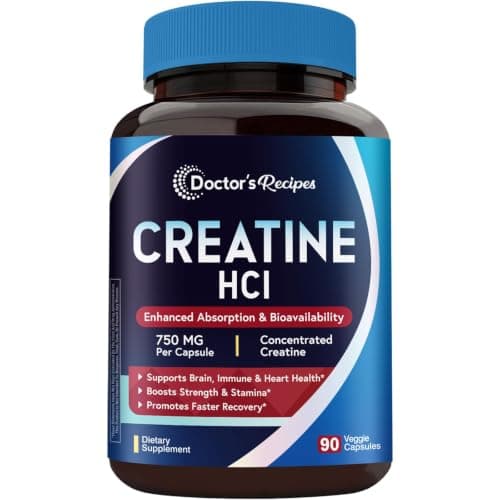
Doctor's Recipes Creatine HCl Capsules
Cost per serving
$0.13
90 servings · ~90-day supply
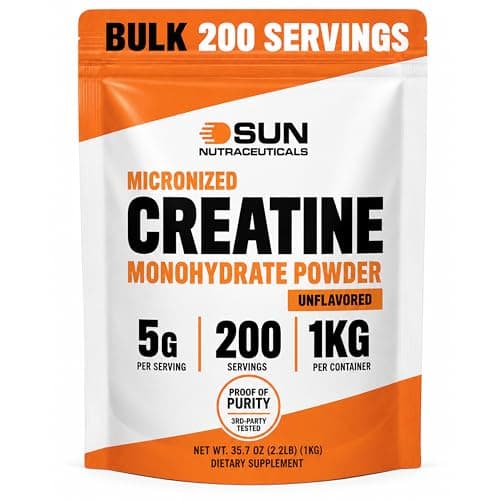
Micronized Creatine Monohydrate Powder 1kg (2.2lbs
Cost per serving
$0.12
200 servings · ~200-day supply
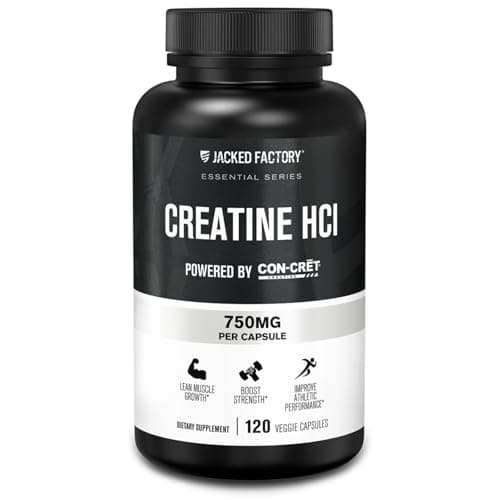
Jacked Factory Creatine HCl Capsules - CON CRET Creatine Pills…
Cost per serving
$0.17
120 servings · ~120-day supply
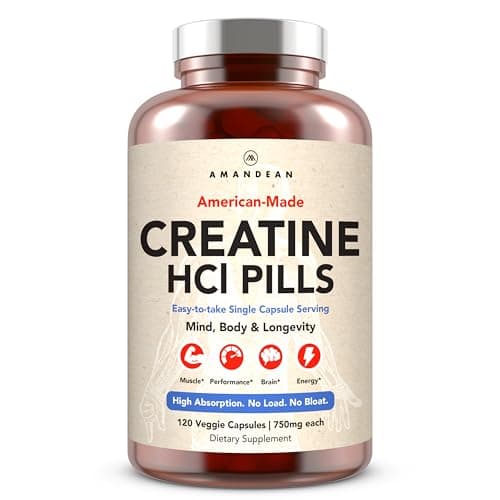
AMANDEAN Creatine HCl Capsules & Pills
Cost per serving
$0.25
120 servings · ~120-day supply
Related guides
Does creatine cause hair loss? What the evidence actually says
The creatine–hair-loss worry traces to a single 2009 study that measured a hormone (DHT), not hair. Here's what that study found, what it didn't, and how to think about the risk honestly.
Creatine for Women: Does It Work, How Much to Take, and What It Costs
An honest, data-backed guide to creatine for women — the studied form, the ~3-5 g dose, the "will it make me bulky" question, and real cost per dose.
When to Take Creatine: Does Timing Actually Matter?
An honest, data-informed guide to creatine timing — why consistency and total daily dose matter far more than the exact hour you take it.
Creatine Cost Per Gram: Monohydrate vs "Advanced" Forms
Creatine monohydrate is the value and evidence winner. Compare cost per gram across 47 tracked listings and why "advanced" forms cost more.