
🌿
Folate (Vitamin B9)
vitamin · 164 active deals
How much does Folate (Vitamin B9) cost?
The best-value Folate (Vitamin B9) right now is about $0.01 per dose — across the 95 we can price per dose the median is $0.135/dose, so shopping on cost-per-dose can cut your cost several-fold. Every Folate (Vitamin B9) deal here is ranked by cost per dose — what you actually pay per serving, not the sticker price — because forms and absorption differ, so the cheapest bottle isn’t always the cheapest dose.
Prices checked · live from the Amazon US catalog.
Right now the best value across our full Folate (Vitamin B9) catalog is at $0.01 per serving.
Median $0.135/servingCheapest quartile under $0.045across 95 tracked Folate (Vitamin B9) deals
Recommended daily intake
Daily Value 400 mcgUpper limit 1,000 mcg
Upper limit applies to synthetic folic acid; expressed as mcg DFE. General FDA/NIH adult guidance — not medical advice.
What Folate (Vitamin B9) does
Folate is a water-soluble B vitamin (sometimes called vitamin B9) that functions as a coenzyme or cosubstrate in single-carbon transfers, where it is required for the synthesis of nucleic acids (DNA and RNA) and the metabolism of amino acids; it is involved in converting homocysteine to methionine and in the methylation of deoxyuridylate to thymidylate, a reaction needed for proper cell division. Researchers have studied folate's possible role in several conditions, including autism spectrum disorder, cancer, cardiovascular disease and stroke, dementia and cognitive function, depression, neural tube defects, and preterm birth and other congenital anomalies, but the evidence is largely mixed, observational, or inconclusive. The available evidence suggests that supplementation appears to reduce the risk of stroke, especially in populations with low folate status, while trials generally have not shown that folic acid supplements reduce other cardiovascular events, overall cancer risk, or cognitive decline, and some studies have raised concerns that high folic acid doses taken after preneoplastic lesions are established could promote cancer development. Adequate maternal folate intake is associated with reduced risk of neural tube defects, though firm causal conclusions for most other outcomes require more research — per the NIH Office of Dietary Supplements; not medical advice.
Forms & absorption
The fact sheet describes three main forms: naturally occurring food folates (in the tetrahydrofolate, or THF, polyglutamate form), folic acid (the fully oxidized monoglutamate form used in fortified foods and most dietary supplements), and 5-MTHF (also called L-methylfolate or methylfolate), found in some supplements. The sheet states that about 85% of supplemental folic acid is bioavailable when taken with food and nearly 100% when taken without food, whereas only about 50% of folate naturally present in food is bioavailable. It notes that the bioavailability of 5-MTHF in supplements is the same as or greater than that of folic acid, although formal conversion factors for 5-MTHF have not been established.
Food sources of Folate (Vitamin B9)
Folate is naturally present in a wide variety of foods, including vegetables (especially dark green leafy vegetables), fruits and fruit juices, nuts, beans, peas, seafood, eggs, dairy products, meat, poultry, and grains. Spinach, liver, asparagus, and brussels sprouts are among the foods with the highest folate levels. Because cereals and grains are widely consumed in the United States and are fortified with folic acid, they have become important contributors of folic acid to the American diet — per the NIH Office of Dietary Supplements.


Nature's Bounty Folic Acid 800 mcg Tablets Maximum Strength…
Nature's BountyAmazon.com
$0.03/serving
$40.500°


Prenatal Vitamins for Women with Folic Acid + Omega 3 DHA…
Nature's NutritionAmazon.com
$0.15/serving
$17.820°

Superior Source No Shot Vitamin B-12 Cyanocobalamin 1000 mcg
Superior SourceAmazon.com
$0.12/serving
$11.530°


Prenatal Vitamins for Women with Folic Acid + Omega 3 DHA…
Nature's NutritionAmazon.com
$0.10/serving
$24.820°

Prenatal Vitamins for Women with Folic Acid + Omega 3 DHA…
Nature's NutritionAmazon.com
$0.21/serving
$12.720°


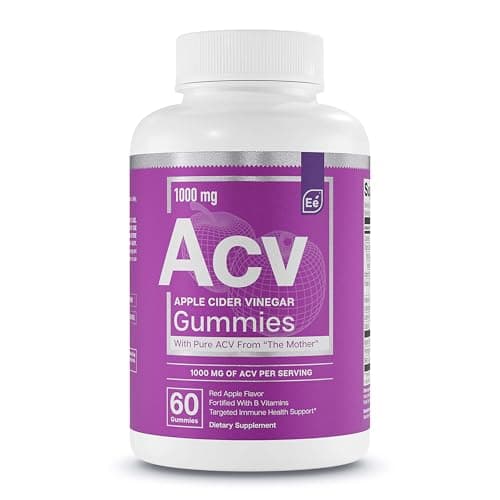
Essential Elements Apple Cider Vinegar Gummies from The Mother…
Essential ElementsAmazon.com
$0.38/serving
$23.000°

SuperFolate 400mcg - SuperSmart | Quatrefolic 5-MTHF…
SuperSmart USA LLCSuperSmart
$0.17/serving
$20.000°

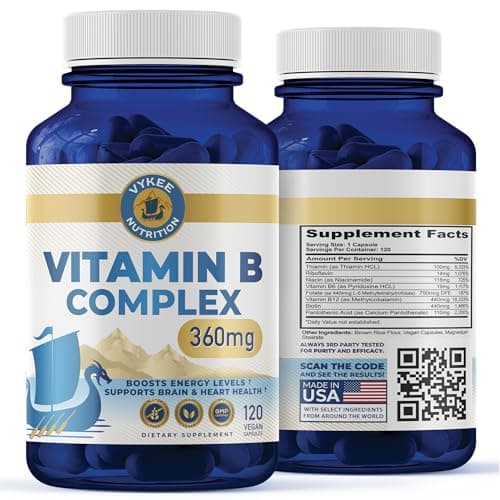
Vykee Nutrition B Complex Supplement – High-Potency B Vitamins…
Vykee NutritionAmazon.com
$0.22/serving
$26.990°
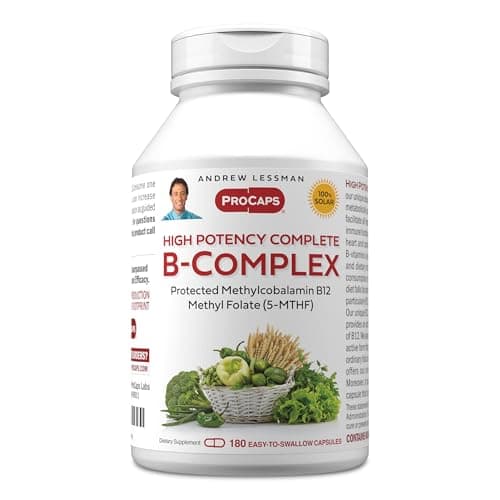
ANDREW LESSMAN High Potency B-Complex 180 Capsules - with High…
Andrew LessmanAmazon.com
$0.19/serving
$34.900°
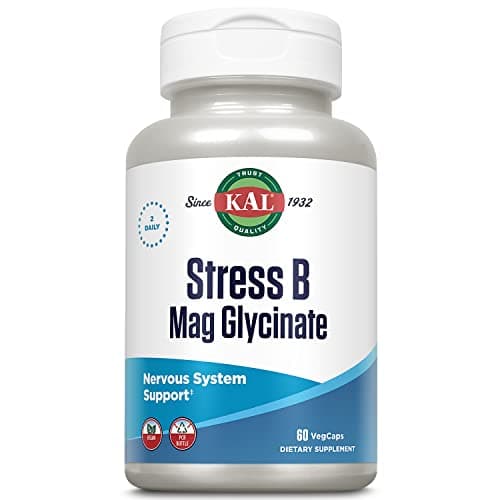
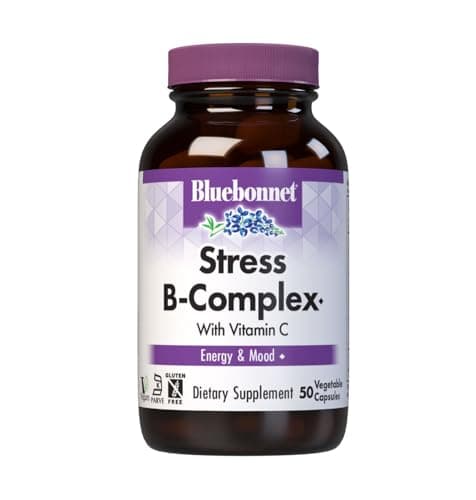
BlueBonnet Stress Vitamin B Complex for Women & Men - Daily…
BluebonnetAmazon.com
$0.31/serving
$15.600°
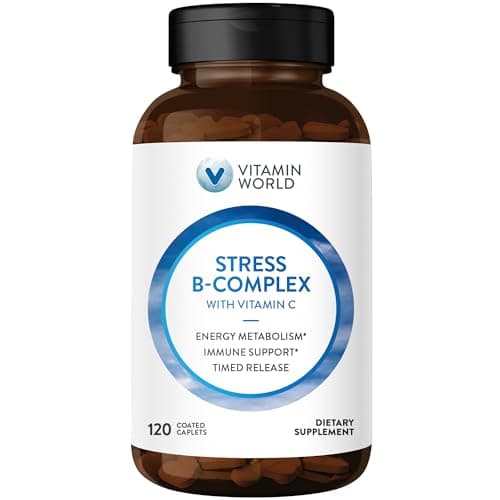
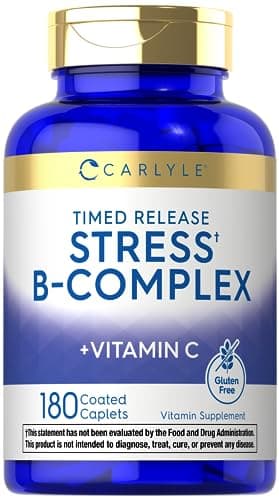
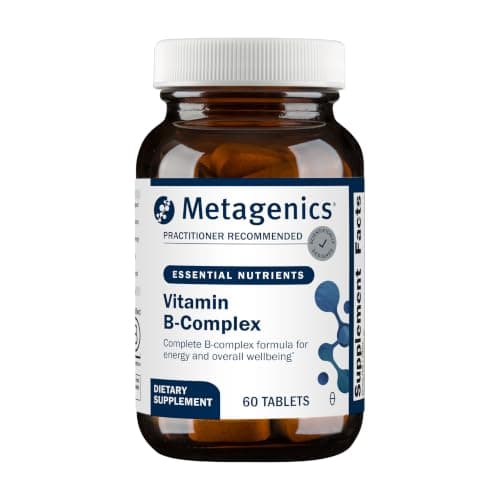
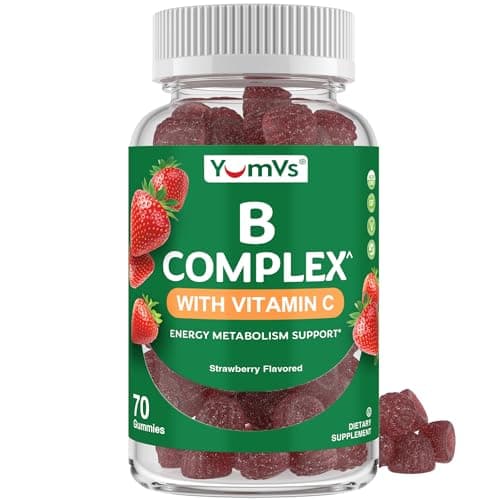

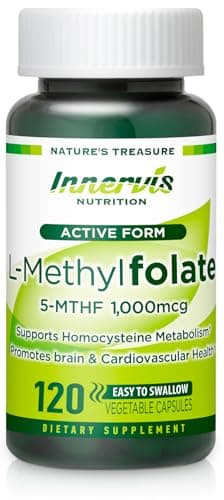
L-Methylfolate 1000mcg (120 Caps) Active Folate for Heart
INNERVISNUTRITIONAmazon.com
$0.12/serving
$14.800°
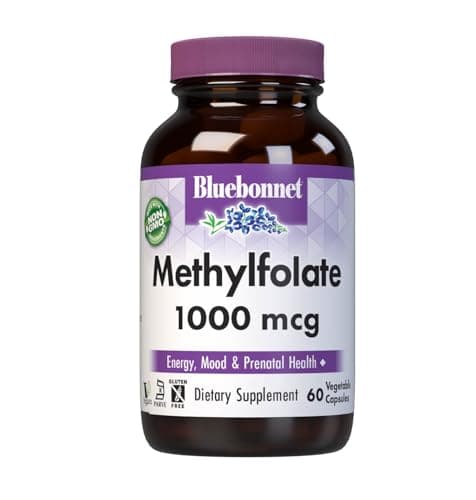
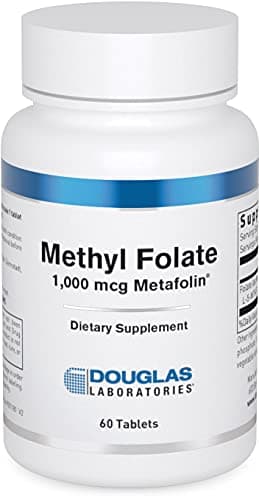
Douglas Laboratories Methyl Folate L-5-MTHF - 1,000 mcg…
Douglas LaboratoriesAmazon.com
$0.42/serving
$25.000°
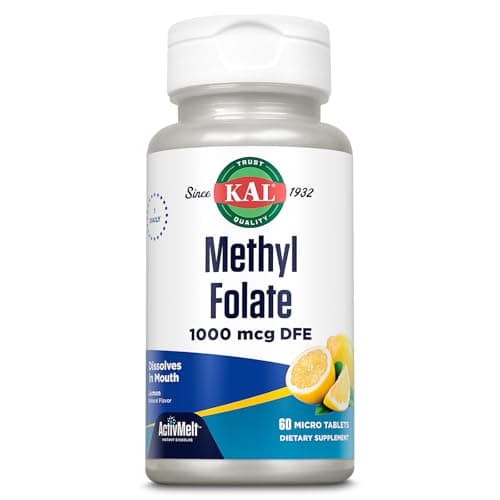
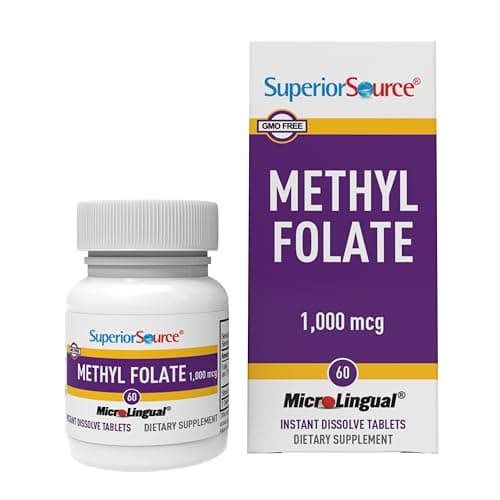
Superior Source Methyl Folate 1,000 mcg - Folate Supplement…
Superior SourceAmazon.com
$0.27/serving
$15.990°
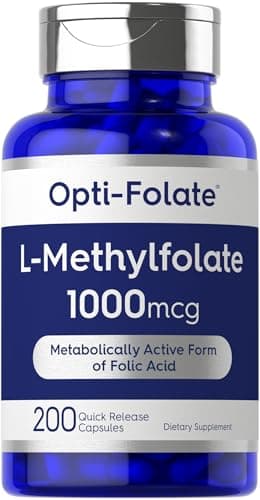
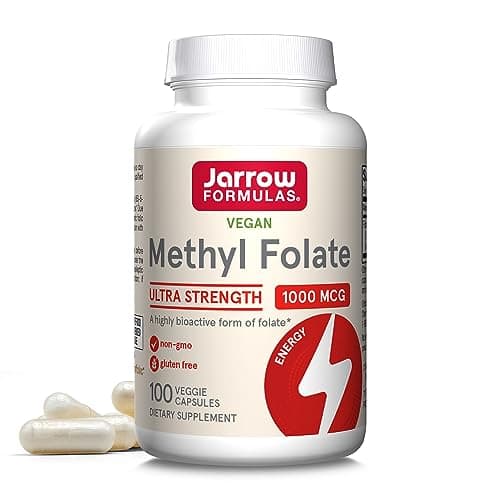
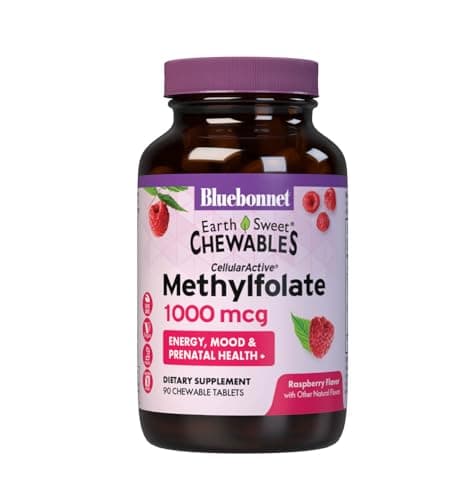
Bluebonnet EarthSweet Methylfolate 1000 mcg Cellular Active…
BluebonnetAmazon.com
$0.30/serving
$26.800°
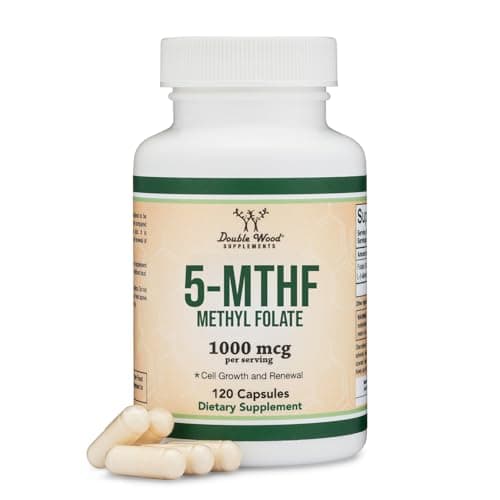

PROTOCOL FOR LIFE BALANCE 5-Methylfolate 1,000mcg - Superior…
PROTOCOL FOR LIFE BALANCEAmazon.com
$0.27/serving
$24.000°
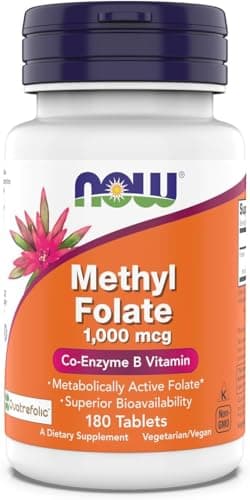
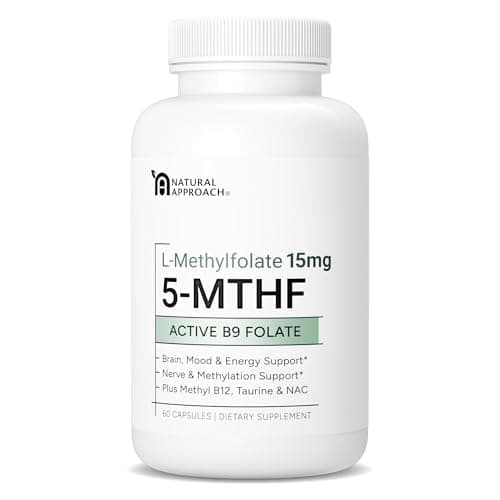
L-Methylfolate 15mg | 5-MTHF (Active B9) with Methyl B12, D3…
Natural ApproachAmazon.com
$0.40/serving
$23.950°
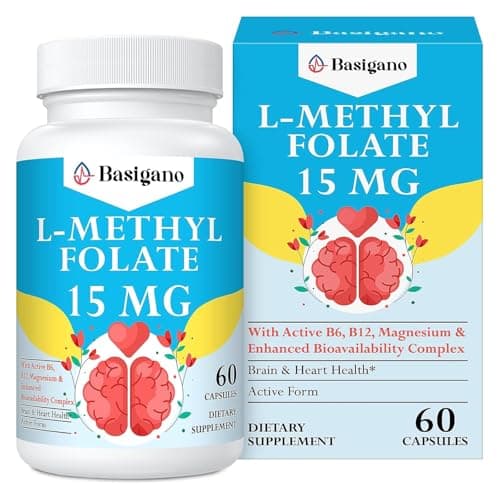
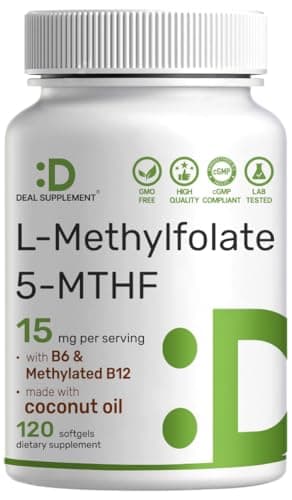
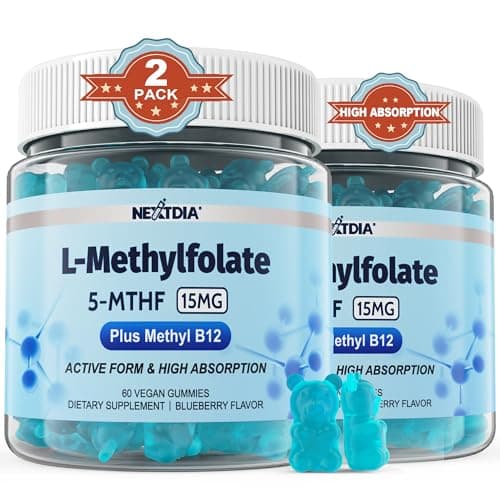

Horbäach L Methylfolate 15000 mcg | 120 Capsules | 15mg Methyl…
HorbäachAmazon.com
$0.16/serving
$18.990°
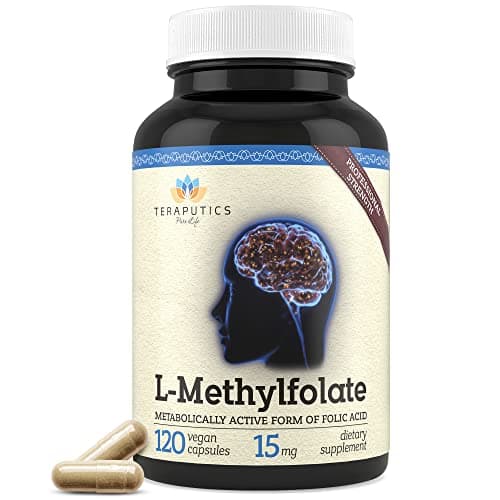
Teraputics L-Methylfolate 15mg | 120 Vegan Capsules | Premium…
TeraputicsAmazon.com
$0.33/serving
$39.950°
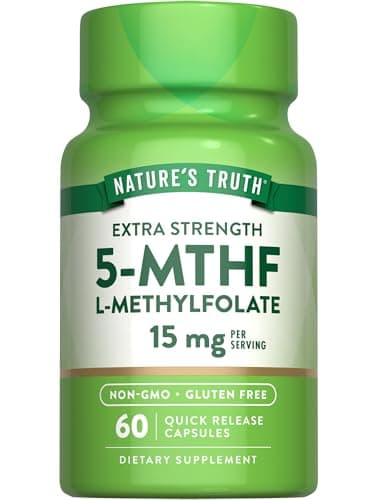
Nature's Truth L Methylfolate 15mg | 60 Capsules | Non-GMO…
Nature's TruthAmazon.com
$0.25/serving
$14.980°
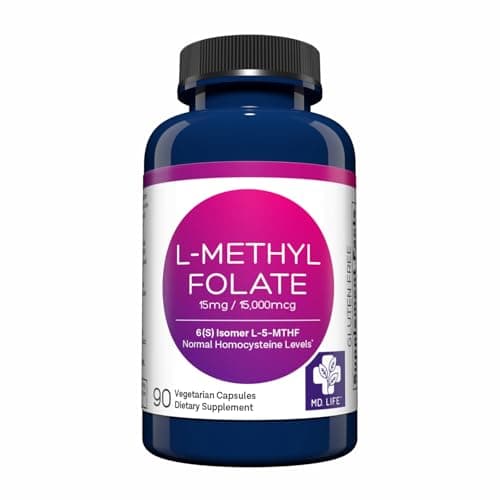
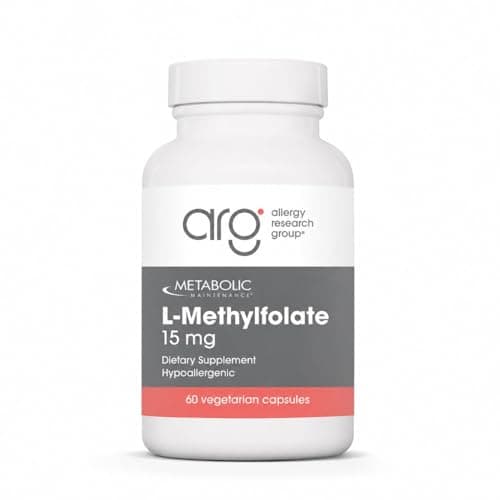
Metabolic Maintenance L-Methylfolate 15 mg - Supports…
Metabolic MaintenanceAmazon.com
$0.95/serving
$57.000°
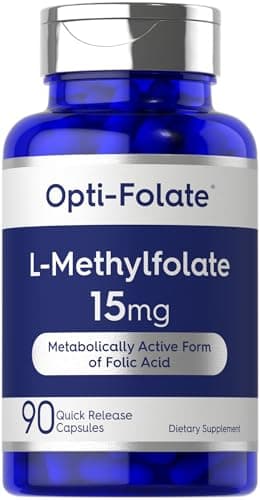
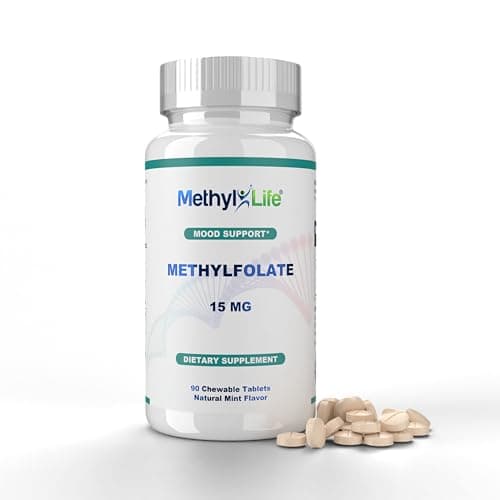
Methyl-Life® L-Methylfolate 15 mg for Women & Men – Active…
Methyl-LifeAmazon.com
$0.98/serving
$88.000°
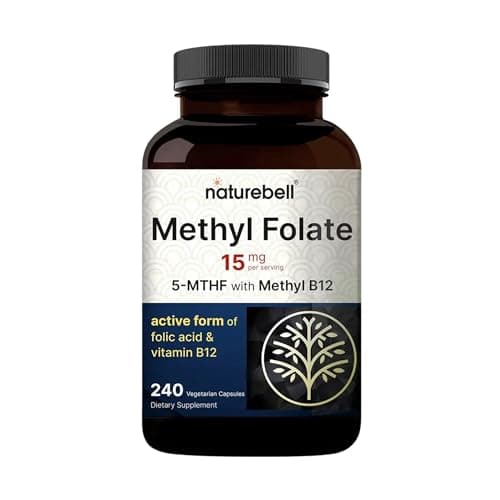
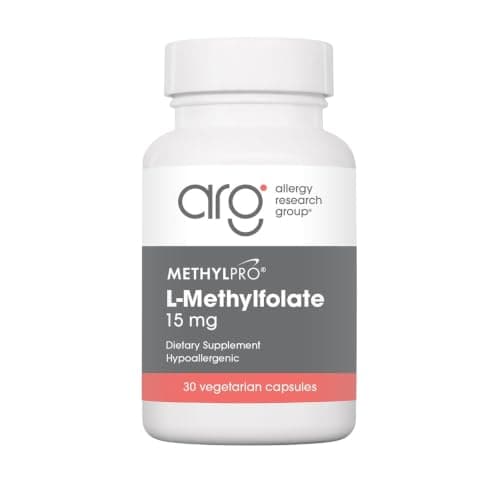

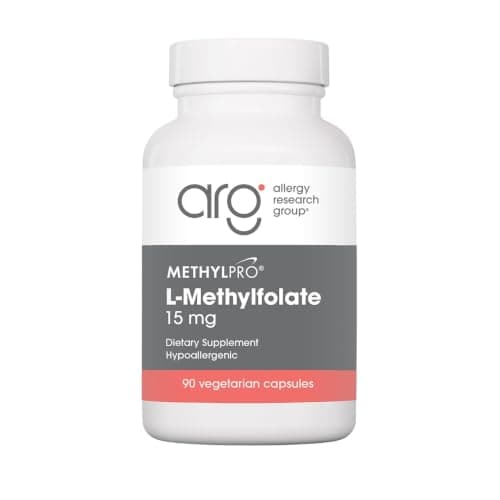
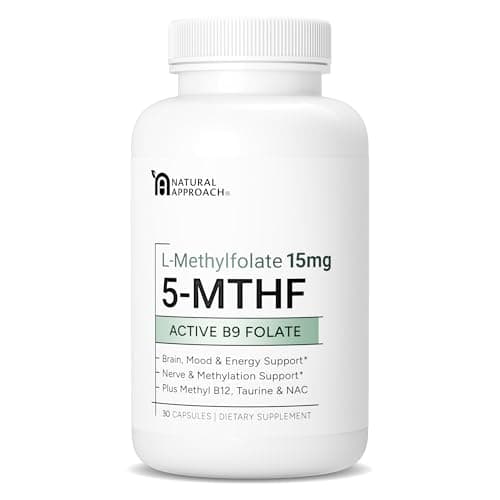
L-Methylfolate 15mg | 5-MTHF (Active B9) with Methyl B12, D3…
Natural ApproachAmazon.com
$0.60/serving
$17.950°
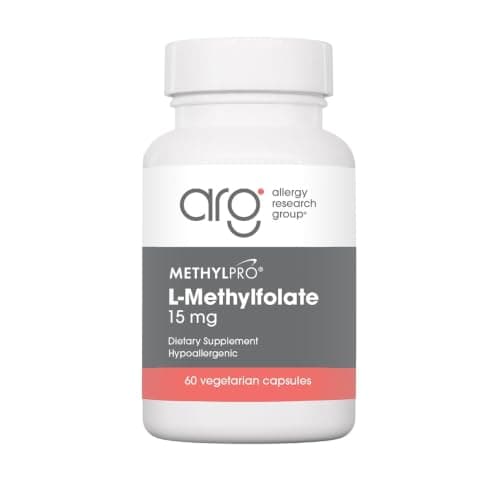
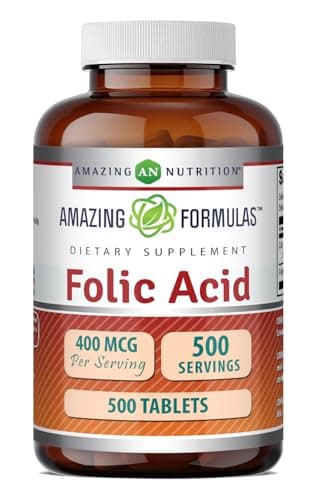
Amazing Formulas Folic Acid (Vitamin B9) 400 mcg | Tablets…
Amazing FormulasAmazon.com
$0.03/serving
$14.990°
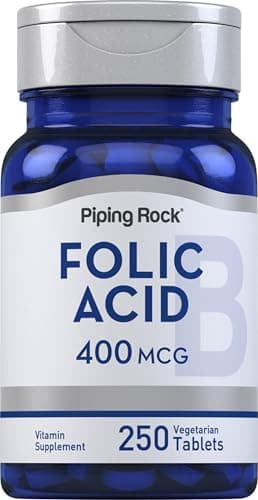
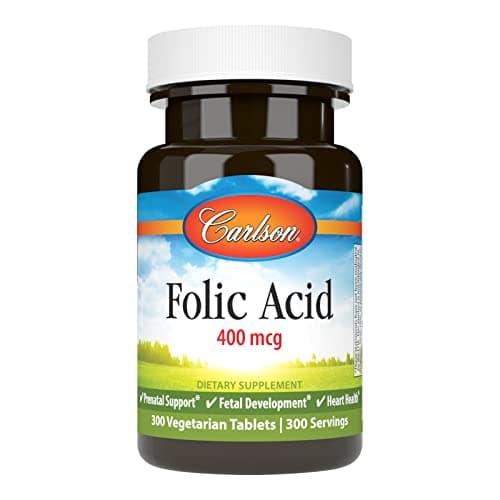
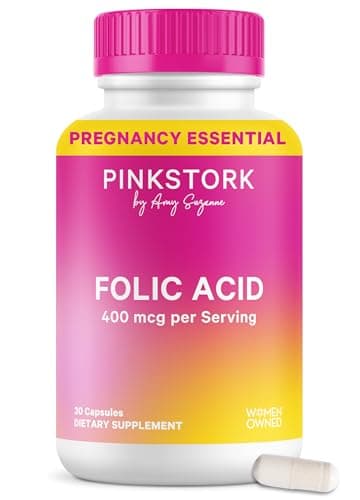
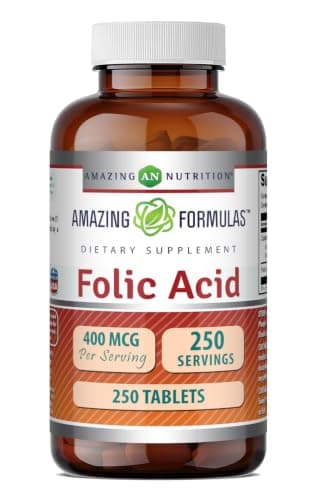
Amazing Formulas Folic Acid (Vitamin B9) 400 mcg | Tablets…
Amazing FormulasAmazon.com
$0.04/serving
$8.990°
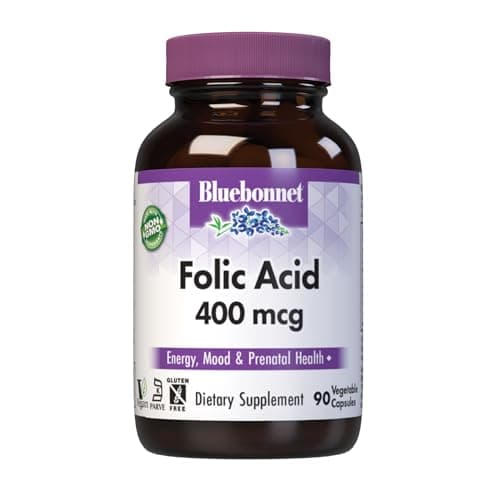
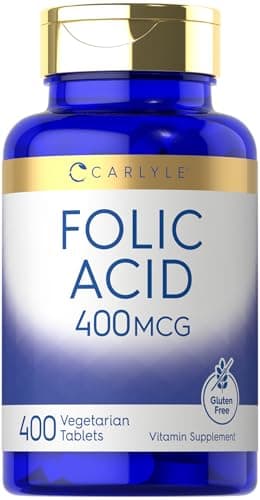
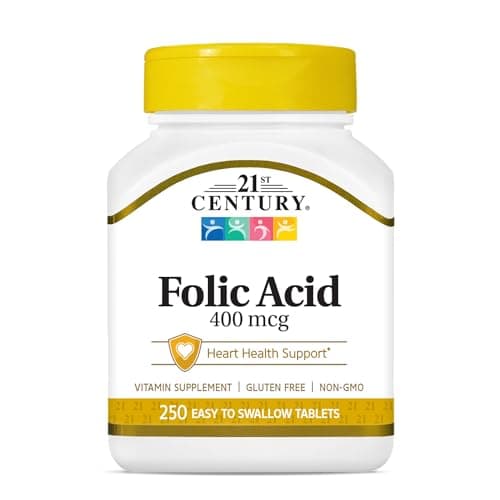

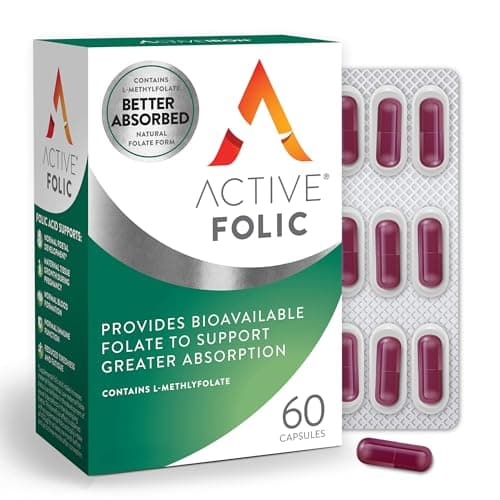

Every Folate (Vitamin B9) deal above is ranked by real cost per dose with no paid placement — see our and .
Independent testing
2 of 47 tracked Folate (Vitamin B9) brands here are flagged as carrying independent third-party testing — a voluntary check of a product's identity, potency and contaminants by an outside lab. It's a quality signal, not a value or efficacy claim. Confirm any brand's current status on the official registries:
Testing status is self-reported by the brand or drawn from public certification and may change — always verify on the official registry before purchase.
Folate (Vitamin B9) — dosage, safety & deals FAQ
- How much Folate do you need per day?
The is 400 mcg DFE/day for males and females age 19+ (and 14-18). Children: 65 mcg AI (0-6 months), 80 mcg (7-12 months), 150 mcg (1-3), 200 mcg (4-8), 300 mcg (9-13). Pregnancy is 600 mcg DFE and lactation 500 mcg DFE. — per the NIH Office of Dietary Supplements; general information, not medical advice.
- Can you take too much Folate?
Yes. The for adults 19+ is 1,000 mcg/day of folic acid from supplements or fortified foods (lower for children). High folate can correct the anemia but not the neurological damage of vitamin B12 deficiency, potentially masking it. No UL was set for folate from food. — per the NIH Office of Dietary Supplements; general information, not medical advice.
- What are the signs of Folate deficiency?
The primary sign is megaloblastic anemia, with weakness, fatigue, difficulty concentrating, irritability, headache, heart palpitations, and shortness of breath. Deficiency can also cause soreness and shallow ulcerations on the tongue and oral mucosa; changes in skin, hair, or fingernail pigmentation; gastrointestinal symptoms; and elevated blood homocysteine. — per the NIH Office of Dietary Supplements; general information, not medical advice.
- Who is most likely to need more Folate?
Groups at risk of inadequacy include people with alcohol use disorder, women of childbearing age, pregnant women, people with malabsorptive disorders (such as tropical sprue, celiac disease, and inflammatory bowel disease), and people with an MTHFR 677C>T polymorphism. — per the NIH Office of Dietary Supplements; general information, not medical advice.
Folate (Vitamin B9) guides
Related vitamins
References & sources
- Folate: Fact Sheet for Health Professionals — NIH Office of Dietary Supplements
- USP Verified product participants — U.S. Pharmacopeia
- NSF certified products — NSF
We link primary sources and paraphrase their findings — never copy their text, tables, or images. Cost-per-dose figures are our own first-party catalog data.