Astaxanthin: the mg dose for skin and antioxidant support, and cost
Quick answer
A typical astaxanthin dose is about 4-12 mg per day taken with a fatty meal, and because softgels vary a lot in strength, compare products on cost per mg of astaxanthin.
Alex Soto, Founder, VitaminDB
6 min readUpdated 8/1/2026 NIH-sourced
On this page
A typical astaxanthin dose is about 4-12 mg per day, taken with a meal that contains some fat because astaxanthin is fat-soluble. It is a carotenoid antioxidant derived from microalgae, studied mostly for skin and antioxidant support. The evidence is preliminary but generally leans positive for skin measures, and because softgels vary a lot in strength, the smart way to buy is on cost per mg of astaxanthin.
What astaxanthin is
Astaxanthin is a reddish carotenoid, the same pigment family as beta-carotene and lutein. It is what gives salmon, shrimp, and flamingos their pink-red color. Supplement astaxanthin is grown from the microalgae Haematococcus pluvialis, which produces it in high concentrations.
As an antioxidant, it is fat-soluble and sits in cell membranes, which is part of why it is studied for skin and for eye and general antioxidant support. It is a pigment as well as an antioxidant, so at higher intakes it can lend a faint natural warmth to skin tone.
The dose
A practical range is 4-12 mg per day, taken with food.
- Take it with a fatty meal. As a fat-soluble compound, astaxanthin absorbs far better alongside dietary fat than on an empty stomach.
- Start around 4 mg and adjust upward within the range if you want.
- Effects on skin, if they appear, are gradual, so give it several weeks rather than days.
Does it help skin?
The most common reason people take astaxanthin is skin. Several studies report improvements in measures such as moisture, elasticity, and the appearance of fine lines, and some also look at protection against the effects of sun exposure. The honest framing is that this research is preliminary and mixed rather than conclusive, with modest sample sizes. It is reasonable to try, but it is not a guaranteed result, and it is not a replacement for sunscreen. Not medical advice.
The most relevant pooled evidence is a systematic review and meta-analysis on skin ageing, which concluded that ingestion and/or topical use of astaxanthin may be effective in reducing skin ageing, improving moisture content and elasticity and reducing wrinkles. Read the hedge in "may": this is a promising signal on soft endpoints, not a proven treatment.
Natural vs synthetic
If you compare products, you will mostly see natural astaxanthin from Haematococcus pluvialis algae, and that is the form used in most supplement research. Synthetic astaxanthin exists but is used chiefly in animal feed, not supplements. For a supplement, algae-derived is the studied and expected form, and reputable brands say so on the label.
The color note
Astaxanthin is a strong pigment, so a couple of harmless things are worth expecting:
- The softgels themselves are deep red.
- At the higher end of the dose range, some people notice a slight natural reddish tone to their skin over time. This is cosmetic, not a problem.
What to look for on the label
The single number that matters is milligrams of astaxanthin per softgel, not the size of the oil droplet it is suspended in.
- A "12 mg" product and a "4 mg" product can look identical in the bottle but differ threefold in active content.
- Algae-sourced astaxanthin should be stated clearly.
- Softgels protect the pigment from light and air better than loose powders.
How to buy astaxanthin by cost per mg
Because strength varies so much, cost per mg is the honest comparison:
- Note the milligrams of astaxanthin per softgel.
- Multiply by the number of softgels to get total milligrams in the bottle.
- Divide the total price by total milligrams to get cost per mg, then decide how many mg per day you want.
A high-count bottle of 4 mg softgels can cost more per mg than a smaller bottle of 12 mg softgels, so the sticker price rarely tells the real story.
Compare current prices per mg on /nutrients/astaxanthin, see the best current value picks on /best/astaxanthin, and read exactly how we calculate cost per dose on /methodology.
Buy the algae-derived product that hits your 4-12 mg/day target at the lowest cost per mg, and take it with a fatty meal so you actually absorb what you paid for.
Covered nutrients: Astaxanthin
See the live cost-per-dose data
This guide is editorial — the prices below are real and current.
Frequently asked questions
How much astaxanthin should I take per day?
A typical dose is about 4-12 mg per day, taken with a meal that contains some fat because astaxanthin is fat-soluble. Start at the lower end and see how you tolerate it. Not medical advice.
Does astaxanthin help skin?
Some studies report benefits for skin measures like moisture and elasticity, but the evidence is preliminary and mixed rather than settled. Treat it as worth trying rather than guaranteed. Not medical advice.
Is natural or synthetic astaxanthin better?
The form studied in most supplement research is natural astaxanthin derived from the microalgae Haematococcus pluvialis, and that is the form supplements usually sell. Synthetic astaxanthin is mainly used in animal feed.
How do I compare astaxanthin cost per mg?
Note the milligrams of astaxanthin per softgel, then divide the total price by the total milligrams in the bottle to get cost per mg, since products range widely in strength.
Where these numbers come from
Cost figures on this page are computed from 34 active Astaxanthin listings we track, last re-priced . Cost per dose is price ÷ (servings × dose), computed per listing — not a price we are quoted. Listings under $1 or with fewer than 3 servings are excluded, because both are usually a parse error rather than a bargain.
- Amazon.com · 34
Prices move. Figures written into the text are re-checked against live data on a schedule; the ranking pages are always the current number.
Sources
Health claims on this page are drawn from these sources. Prices and cost-per-dose figures come from our own tracked listings, not from the sources below.
- 1.Systematic Review and Meta-Analysis on the Effects of Astaxanthin on Human Skin Ageing — PubMed Central, NIH National Library of Medicine
Deals on these nutrients
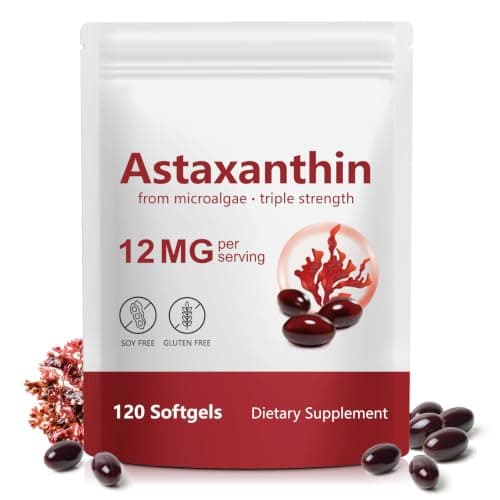
Astaxanthin Supplements 12mg 120 Softgels
Cost per serving
$0.13
120 servings · ~120-day supply
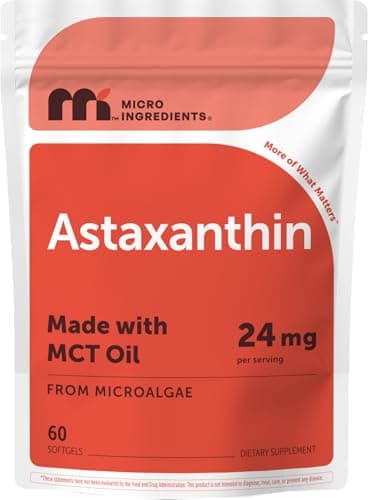
Micro Ingredients Astaxanthin 24mg with MCT Oil
Cost per serving
$0.52
60 servings · ~60-day supply

Micro Ingredients Astaxanthin 12mg Per Serving with MCT Oil
Cost per serving
$0.42
45 servings · ~45-day supply
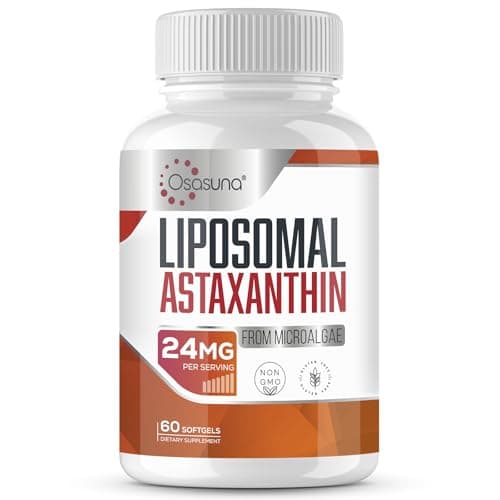
Liposomal Astaxanthin Supplement 24 MG
Cost per serving
$0.39
60 servings · ~60-day supply
Related guides
Ubiquinol vs ubiquinone: which CoQ10 is worth it
Ubiquinol absorbs somewhat better, but it costs about 2.5x more per 100 mg than ubiquinone — a median $0.335 vs $0.133 across 55 listings we price. What that gap is worth, the dose, and the statin question.
P-5-P vs regular vitamin B6: is the active form worth it?
P-5-P costs about 2x more per 50 mg than plain pyridoxine — a median $0.146 vs $0.071 across 56 listings we price. Most healthy people convert plain B6 fine, so here is what the premium buys, and the safety ceiling that matters more than either form.
Beetroot vs citrulline: which for pumps, and which for endurance
Both raise nitric oxide, but by different routes and for different goals — beetroot has the endurance edge, citrulline is the gym-pump staple. Doses, the honest split, and cost per dose.
Beta-alanine: dose, the tingling, and what it actually does
Beta-alanine buffers muscle acid to extend high-intensity efforts in the 1–4 minute range. It works by loading over weeks, not as a pre-workout kick. Real dose, why it tingles, and cost per serving.