P-5-P vs regular vitamin B6: is the active form worth it?
Quick answer
For most healthy people plain pyridoxine converts to the active P-5-P form fine and costs less — a median $0.071 per 50 mg against $0.146 for P-5-P across the 56 B6 listings we price (19 September 2026), so about 2x. That is only around $22 a year at 50 mg/day, and the spread inside each form is wider than the gap between them, so shopping well matters more than picking the form. Keep total B6 at or below the 100 mg/day upper limit either way.
Alex Soto, Founder, VitaminDB
6 min readUpdated 8/26/2026 NIH-sourced
Pyridoxine (B6)
value
P-5-P
active form
Form
Works for most people
Cost per 50 mg (median)
Best for
Verdict: For most people plain pyridoxine converts fine and costs less — a median $0.071 per 50 mg against $0.146 for P-5-P, about 2x. P-5-P is a reasonable pick if you have conversion concerns, or whenever a specific P-5-P bottle prices near the pyridoxine median, which several do.
On this page
Regular vitamin B6 is pyridoxine (usually sold as pyridoxine HCl). P-5-P is pyridoxal-5-phosphate, the active coenzyme form your enzymes actually use. For most healthy people the body converts pyridoxine to P-5-P efficiently, so plain B6 works and costs less. P-5-P is a reasonable pick if you have conversion concerns or prefer the active form, but you're paying a premium for a step the body handles for free. The detail that matters more than either form is the dose ceiling.
How big is the P-5-P premium, actually
"Premium" is where most write-ups stop. Here is the size of it, from the 62 vitamin B6 listings we price (checked 26 August 2026):
- Pyridoxine — median $0.071 per 50 mg across 36 listings, cheapest $0.017.
- P-5-P — median $0.146 per 50 mg across 20 listings, cheapest $0.021.
So the median P-5-P costs about 2x the median pyridoxine. Two things follow, and the second is the useful one.
First, the premium is real but small in absolute money. At 50 mg a day it works out to roughly $2.40 a month for pyridoxine against $4.20 for P-5-P — about $22 a year. That is not a sum worth agonising over if you genuinely prefer the active form.
Second, the premium is avoidable. The spread inside each form is far wider than the gap between them: the cheapest P-5-P we list, at $0.021 per 50 mg, undercuts the median pyridoxine by more than two thirds. Picking the cheaper form badly costs you more than picking the pricier form well. Current picks on best-value B6.
The two forms
- Pyridoxine (pyridoxine HCl) — the standard, provitamin form. Cheap and widely stocked. The liver converts it into the active coenzyme.
- P-5-P (pyridoxal-5-phosphate) — the active coenzyme form, sold at a premium because it skips the conversion step.
Does the conversion actually matter?
For most healthy people, no. The liver turns pyridoxine into P-5-P without trouble, so plain B6 does the job. The active form only starts to make sense if you have a reason to think your conversion is impaired — certain genetic, liver, or medication situations — or you simply prefer the coenzyme form and the price gap is small. For the average person, P-5-P is extra money for a step the body already handles.
Safety: the part that matters more than the form
This is the real headline with B6. Too much, for too long, can cause reversible nerve problems — peripheral neuropathy, felt as tingling or numbness in the hands and feet. The adult tolerable upper intake level (UL) is **100 mg/day** from supplements. Most people need only a few milligrams a day, and there's no benefit to megadoses.
A few things to check:
- Add up every source. B6 shows up in B-complex products, multivitamins, and standalone bottles. Both pyridoxine and P-5-P count toward the 100 mg/day ceiling.
- Watch high-dose "energy" and "mood" blends. Some pack far more B6 than you need.
- Don't assume the active form removes the limit. The neuropathy risk is sometimes framed as a pyridoxine-specific issue, and some argue P-5-P is gentler, but the honest position is to respect the 100 mg/day UL regardless of form.
Some people take high-dose B6 for things like nausea in pregnancy or premenstrual symptoms. If that's you, it's a conversation to have with a clinician rather than a reason to megadose on your own — the useful dose is far below the level that risks nerve problems. Not medical advice.
When P-5-P might be worth it
- You've been told, or have reason to suspect, your conversion is impaired.
- You prefer the coenzyme form and the price difference is small.
- You react poorly to higher-dose pyridoxine (some people report this; the evidence is limited).
When plain B6 is the better buy
- You're a healthy adult with no specific reason to think conversion is a problem — which describes most people.
- You want the lowest cost per dose.
- You're already getting B6 from a multi or B-complex and just topping up.
How to buy by cost per dose
Once you've decided which form fits, don't pay by the bottle — pay by the dose. Divide the price by the number of servings to get cost per dose, then compare. Plain pyridoxine almost always wins on price, and for most people it works exactly as well. See the vitamin B6 hub and best-value B6 for current picks, ranked by cost per dose, not sticker price (methodology).
Bottom line
Most people can buy plain pyridoxine, keep the total at or below 100 mg/day, and skip the premium. Reach for P-5-P only if you have a real conversion concern or prefer the active form and the price is close. Either way, the dose ceiling matters more than the label.
Covered nutrients: Vitamin B6 (Pyridoxine)
See the live cost-per-dose data
This guide is editorial — the prices below are real and current.
Frequently asked questions
Is P-5-P better than regular vitamin B6?
For most healthy people, no. The body converts plain pyridoxine to the active P-5-P form efficiently, so regular B6 does the job for less money. P-5-P is a reasonable choice if you have a specific reason to think your conversion is impaired or you simply prefer the active form. Not medical advice.
What is P-5-P?
P-5-P is pyridoxal-5-phosphate, the active coenzyme form of vitamin B6 — the form your enzymes actually use. Regular B6 (pyridoxine) is a provitamin the body converts into P-5-P. Supplements sell P-5-P at a premium because it skips that conversion step.
How much vitamin B6 is safe?
The adult tolerable upper intake level is 100 mg/day from supplements. High doses taken over long periods can cause reversible nerve problems (peripheral neuropathy — tingling or numbness in the hands and feet), so there's no reason to megadose. Both pyridoxine and P-5-P count toward that ceiling, so add up everything you take. Not medical advice.
Which costs less per dose, B6 or P-5-P?
Plain pyridoxine, by roughly 2x on the median — $0.071 per 50 mg against $0.146 for P-5-P, across the 36 pyridoxine and 20 P-5-P listings we price on 19 September 2026. In absolute terms the gap is small, about $27 a year at 50 mg/day. And it is avoidable: the cheapest P-5-P we track runs $0.021 per 50 mg, below the median pyridoxine, so a well-chosen active-form bottle can cost less than an average plain one.
Where these numbers come from
Cost figures on this page are computed from 118 active Vitamin B6 (Pyridoxine) listings we track, last re-priced . Cost per dose is price ÷ (servings × dose), computed per listing — not a price we are quoted. Listings under $1 or with fewer than 3 servings are excluded, because both are usually a parse error rather than a bargain.
- Amazon.com · 118
Prices move. Figures written into the text are re-checked against live data on a schedule; the ranking pages are always the current number.
Sources
Health claims on this page are drawn from these sources. Prices and cost-per-dose figures come from our own tracked listings, not from the sources below.
- 1.Vitamin B6: Fact Sheet for Health Professionals — NIH Office of Dietary Supplements
Deals on these nutrients
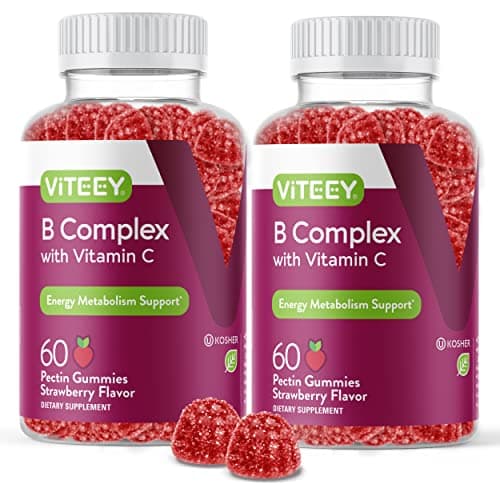
Viteey Vitamin B Complex Gummies with Vitamin C - 120 Count…
Cost per serving
$0.22
120 servings · ~120-day supply
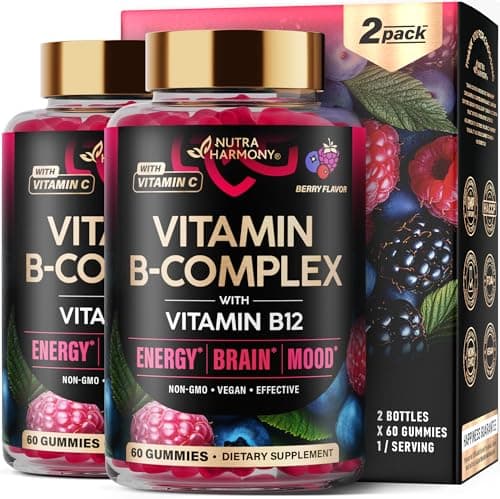
Vitamin B-Complex Gummies for Women & Men - Vitamin B12, B1…
Cost per serving
$0.56
60 servings · ~60-day supply
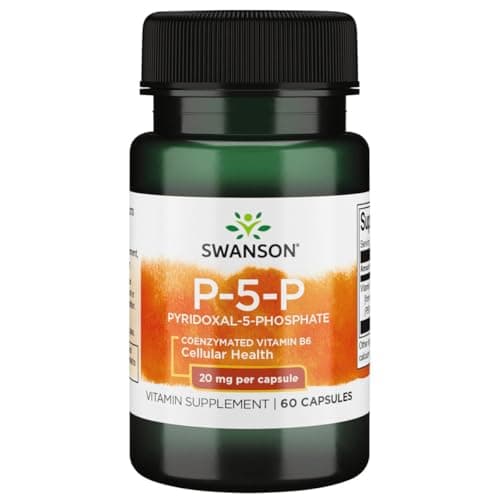
Swanson P-5-P (Pyridoxal-5-Phosphate) Coenzymated Vitaminb-6…
Cost per serving
$0.17
60 servings · ~60-day supply
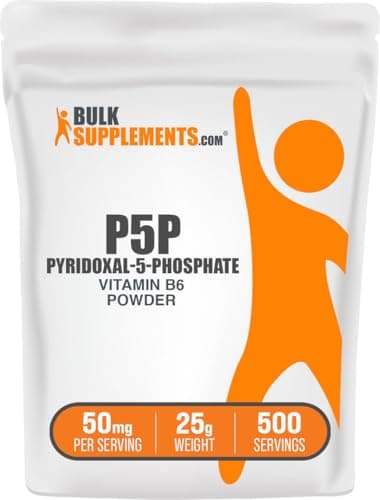
BulkSupplements.com Pyridoxal 5 Phosphate Powder - P-5-P…
Cost per serving
$0.04
500 servings · ~500-day supply
Related guides
Can you take too much? The supplement upper limits that actually matter
Water-soluble vitamins you flush out; fat-soluble vitamins and minerals accumulate and have real ceilings. The NIH upper limits worth knowing — vitamin A, D, iron, zinc, B6, selenium — and why megadoses backfire.
The B vitamins explained: what all 8 do, and who actually needs a B-complex
B1 to B12 in plain English — what each B vitamin does, the 'B vitamins for energy' myth, the one with a real toxicity ceiling (B6), and the specific groups who genuinely benefit from a B-complex versus those who don't.
Ubiquinol vs ubiquinone: which CoQ10 is worth it
Ubiquinol absorbs somewhat better, but it costs about 2.5x more per 100 mg than ubiquinone — a median $0.335 vs $0.133 across 55 listings we price. What that gap is worth, the dose, and the statin question.
Beetroot vs citrulline: which for pumps, and which for endurance
Both raise nitric oxide, but by different routes and for different goals — beetroot has the endurance edge, citrulline is the gym-pump staple. Doses, the honest split, and cost per dose.