Beetroot vs citrulline: which for pumps, and which for endurance
Quick answer
Both boost nitric oxide but for different jobs: beetroot (dietary nitrate, ~300–500 mg nitrate or a beet-juice-equivalent dose) has the stronger endurance/cardio evidence; L-citrulline (6–8 g, or ~8 g citrulline malate) is the better-studied pre-workout for pumps and reps. Endurance → beetroot; lifting/pumps → citrulline.
Alex Soto, Founder, VitaminDB
6 min readUpdated 8/14/2026 NIH-sourced
Beetroot
endurance
Citrulline
pumps
Mechanism
Best for
Dose
Strongest evidence
Verdict: Both raise nitric oxide, different route + goal. Beetroot delivers dietary nitrate and has the stronger endurance/cardio evidence; citrulline is an amino-acid precursor with the better resistance-training (pump, reps) support and is the pre-workout staple. Cardio → beetroot; lifting → citrulline. Often stacked.
On this page
"Beetroot vs citrulline" is really "endurance vs pump." Both are nitric-oxide boosters, so they get lumped together — but they're studied for different jobs and dosed completely differently.
Same target, different route
Both end up raising nitric oxide, which widens blood vessels for better blood flow. How they get there splits them:
- Beetroot delivers dietary nitrate, which the body converts to nitric oxide. Its strongest evidence is endurance — cardio, time-to-exhaustion — plus interest in blood pressure.
- Citrulline is an amino acid that raises arginine, the precursor to nitric oxide. Its strongest evidence is resistance training — the gym pump and getting more reps.
So: cardio/endurance → beetroot; lifting/pumps → citrulline.
The doses (very different)
- Beetroot: aim for roughly 300–500 mg of nitrate per serving. Labels vary — some state nitrate mg, others a "beet juice equivalent." Powders and shots are the usual formats.
- Citrulline: 6–8 g of L-citrulline, or about 8 g of citrulline malate (malate is citrulline bound to malic acid, so it delivers less pure citrulline per gram — compare the L-citrulline number, not the front label).
The NIH fact sheet is much warmer on one of these than the other. For beetroot it reports a dose-response with a ceiling: juice concentrate supplying 4.2 mmol nitrate gave no benefit over placebo while 8.4 mmol did, and 16.8 mmol produced no further benefit. For citrulline it says the research to support it as an ergogenic aid is limited and conflicting at best, and that studies have not adequately assessed its safety when taken in supplemental form for months at a time.
Can you stack them?
Yes — most pre-workouts already do. They raise nitric oxide by different pathways, so they complement rather than cancel. The only real cost is dose creep and price, so check what you're actually paying per effective serving.
How to buy without overpaying
Beetroot value hinges on nitrate per serving; citrulline value hinges on grams of actual L-citrulline. Compare cost per effective dose on the beetroot hub and the citrulline hub (methodology).
Bottom line
Beetroot for endurance, citrulline for pumps — same nitric-oxide goal, different route, very different dose (nitrate mg vs grams of citrulline). Pick by whether you're doing cardio or lifting, or stack both. This is general information, not medical advice.
Covered nutrients: Beetroot, L-Citrulline
See the live cost-per-dose data
This guide is editorial — the prices below are real and current.
Frequently asked questions
Beetroot or citrulline for a better pump?
Citrulline is the better-studied pre-workout for pumps and rep output — 6–8 g of L-citrulline (or about 8 g of citrulline malate). Beetroot raises nitric oxide too, but its strongest evidence is endurance, not the gym pump. This is general information, not medical advice.
Which is better for endurance/cardio?
Beetroot. Its dietary nitrate is the more studied route for endurance performance and is also looked at for blood pressure. Aim for a product delivering roughly 300–500 mg of nitrate (labels sometimes state a beet-juice-equivalent instead).
Can you take beetroot and citrulline together?
Yes — they raise nitric oxide by different paths (dietary nitrate vs arginine precursor), so stacking them is common in pre-workouts. Just watch total dose and cost. Not medical advice.
Citrulline or citrulline malate — does it matter?
Malate is L-citrulline bound to malic acid, so an "8 g citrulline malate" dose delivers less pure citrulline than 8 g of plain L-citrulline. Compare the L-citrulline content, not the headline number.
Where these numbers come from
Cost figures on this page are computed from 81 active Beetroot / L-Citrulline listings we track, last re-priced . Cost per dose is price ÷ (servings × dose), computed per listing — not a price we are quoted. Listings under $1 or with fewer than 3 servings are excluded, because both are usually a parse error rather than a bargain.
- Amazon.com · 81
Prices move. Figures written into the text are re-checked against live data on a schedule; the ranking pages are always the current number.
Sources
Health claims on this page are drawn from these sources. Prices and cost-per-dose figures come from our own tracked listings, not from the sources below.
- 1.Dietary Supplements for Exercise and Athletic Performance: Fact Sheet for Health Professionals — NIH Office of Dietary Supplements
Deals on these nutrients
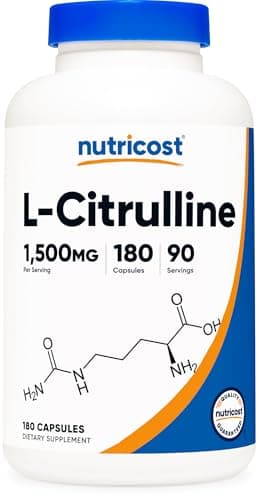
Nutricost L-Citrulline 1500mg
Cost per serving
$0.10
180 servings · ~180-day supply
GXSAE Capsaicin Power - Cayenne Pepper Softgels Supplement
Cost per serving
$0.11
300 servings · ~300-day supply
Cayenne Pepper Softgels Capsules
Cost per serving
$0.09
240 servings · ~240-day supply

Aurivita Cayenne Pepper Capsules 180 Softgels - Cayenne Pepper…
Cost per serving
$0.16
180 servings · ~180-day supply
Related guides
Ubiquinol vs ubiquinone: which CoQ10 is worth it
Ubiquinol absorbs somewhat better, but it costs about 2.5x more per 100 mg than ubiquinone — a median $0.335 vs $0.133 across 55 listings we price. What that gap is worth, the dose, and the statin question.
P-5-P vs regular vitamin B6: is the active form worth it?
P-5-P costs about 2x more per 50 mg than plain pyridoxine — a median $0.146 vs $0.071 across 56 listings we price. Most healthy people convert plain B6 fine, so here is what the premium buys, and the safety ceiling that matters more than either form.
Beta-alanine: dose, the tingling, and what it actually does
Beta-alanine buffers muscle acid to extend high-intensity efforts in the 1–4 minute range. It works by loading over weeks, not as a pre-workout kick. Real dose, why it tingles, and cost per serving.
Glucosamine for joints: does it work, and what should it cost?
The evidence for glucosamine in knee osteoarthritis is genuinely mixed — helpful for some, no better than placebo in large trials. Sulfate vs HCl, the 1,500 mg dose, the shellfish caveat, and honest cost per serving.