Beta-alanine: dose, the tingling, and what it actually does
Quick answer
Beta-alanine raises muscle carnosine, which buffers the acid that builds up in hard 1–4 minute efforts — so it modestly extends high-intensity capacity. It works by chronic loading (3.2–6.4 g/day for several weeks), not as an acute pre-workout stimulant. The harmless tingling (paresthesia) is normal; split the dose or use a sustained-release form to blunt it. Compare on cost per serving, not tub price.
Alex Soto, Founder, VitaminDB
6 min readUpdated 8/14/2026 NIH-sourced
On this page
Beta-alanine is one of the few sports supplements with a genuine, repeatable effect — but it's also one of the most misunderstood. People take it like a pre-workout stimulant, feel the tingling, and assume that tingle is the effect. It isn't. Here's what beta-alanine does, how to dose it, and how to buy it without overpaying.
What it does — and the narrow window it works in
Beta-alanine is the rate-limiting building block of carnosine, a molecule your muscles use to soak up the hydrogen ions (acid) that pile up during hard exercise. More carnosine means more buffering, which means you can sustain a high-intensity effort slightly longer before fatigue forces you to slow.
The effect is real but specific. The evidence is strongest for efforts lasting roughly one to four minutes — the range where acid build-up, not fuel or oxygen, is the limiter. That covers things like a hard 400–800 m run, a 500–2,000 m row, high-rep resistance sets, and repeated sprints. It does not meaningfully help a one-rep max (too short) or a long steady run (a different limiter). If your training doesn't live in that middle window, beta-alanine has little to offer you.
The tingling is not the point
The famous paresthesia — a prickling flush on the face, neck and hands about 10–20 minutes after a dose — is harmless and fades within an hour. It's beta-alanine binding nerve receptors in the skin, nothing more. It is not a sign the supplement is "working," and its absence doesn't mean it's failing.
If you dislike it, two fixes work: split the daily amount into smaller doses (about 1.6 g or less each), or use a sustained-release form designed to blunt the flush.
It works by loading, not by timing
This is the single most common mistake. Beta-alanine has no acute effect — taking it 20 minutes before a session does nothing for that session. It works by slowly raising muscle carnosine, which takes about 2–4 weeks of daily dosing to build to useful levels. That means:
- Take it every day, training day or not.
- Timing within the day doesn't matter — split doses to reduce tingling if anything.
- Taking it only pre-workout, or only on gym days, largely wastes it.
Dose
The studies the NIH fact sheet reviews mostly used 1.6–6.4 g/day, split into two to four separate servings, over 4–8 weeks — in young men aged 18–25. Splitting the dose is what keeps the tingling manageable, and the weeks are what make it work.
The commonly studied range is 3.2–6.4 g/day, taken daily and usually split. Some people load at the higher end for a few weeks, then maintain. More isn't obviously better once your muscles are saturated. These are commonly-labeled, studied amounts — not a prescription.
How to buy without overpaying
Beta-alanine is cheap as a raw ingredient, so the price you pay is mostly about format. Bulk powder is far cheaper per gram than pre-measured capsules, and much cheaper than beta-alanine bundled into a proprietary pre-workout blend (where you often can't even see how many grams you're getting). In our catalog the cost per serving runs from well under $0.30 at the cheap end to $1.00 or more for capsule and blend formats — the same molecule either way.
Because it's dosed in grams and taken daily, small per-serving differences add up fast over the weeks of loading it needs. Compare on cost per serving and check the gram amount: best-value beta-alanine and the beta-alanine hub. We rank by real cost per dose, not tub price (methodology). If you're building a full training stack, the creatine cost-per-gram guide covers the other staple worth its price.
Bottom line
Beta-alanine earns its place if your training includes hard, sustained efforts in the one-to-four-minute range. Dose 3.2–6.4 g/day, every day, split to tame the tingling, and give it a few weeks to build. Then buy the cheapest plain powder that hits your gram target — the flush costs you nothing, and neither should the branding. This is general information, not medical advice.
Covered nutrients: Beta-Alanine
See the live cost-per-dose data
This guide is editorial — the prices below are real and current.
Frequently asked questions
What does beta-alanine actually do?
It raises the level of carnosine in your muscles, and carnosine buffers the hydrogen ions that accumulate during hard exercise and cause the burn. The practical payoff is a modest but real improvement in high-intensity capacity for efforts roughly 1–4 minutes long — think a hard 400–800 m run, a rowing piece, or extra reps at the end of a set. It does little for a one-rep max or for long steady cardio. This is general information, not medical advice.
Why does beta-alanine make me tingle?
The tingling — called paresthesia — is a harmless, well-documented flush on the skin of the face, neck and hands that starts 10–20 minutes after a dose and fades within an hour. It's caused by beta-alanine binding nerve receptors in the skin, not by anything going wrong. Splitting the daily amount into smaller doses (about 1.6 g or less each) or using a sustained-release form reduces or removes it.
How long until beta-alanine works?
Weeks, not minutes. Unlike caffeine, beta-alanine has no acute effect — it works by slowly building muscle carnosine, which takes roughly 2–4 weeks of daily dosing to reach useful levels and longer to plateau. Taking it only on workout days, or only before a session, largely wastes it. Consistency every day is what matters.
How much beta-alanine per day?
The commonly studied range is about 3.2–6.4 g per day, taken daily and usually split into smaller doses to limit tingling. Some protocols load higher for a few weeks then maintain. This is the amount commonly labeled and studied, not a prescription — how it fits your training and health is your call, ideally with a clinician if you have any medical condition.
Where these numbers come from
Cost figures on this page are computed from 45 active Beta-Alanine listings we track, last re-priced . Cost per dose is price ÷ (servings × dose), computed per listing — not a price we are quoted. Listings under $1 or with fewer than 3 servings are excluded, because both are usually a parse error rather than a bargain.
- Amazon.com · 45
Prices move. Figures written into the text are re-checked against live data on a schedule; the ranking pages are always the current number.
Sources
Health claims on this page are drawn from these sources. Prices and cost-per-dose figures come from our own tracked listings, not from the sources below.
- 1.Dietary Supplements for Exercise and Athletic Performance: Fact Sheet for Health Professionals — NIH Office of Dietary Supplements
Deals on these nutrients
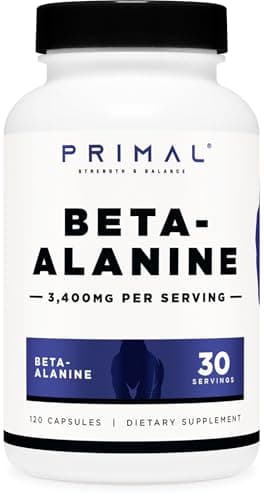
Primal Beta-Alanine Capsules 3400mg (30 Servings
Cost per serving
$0.40
30 servings · ~30-day supply
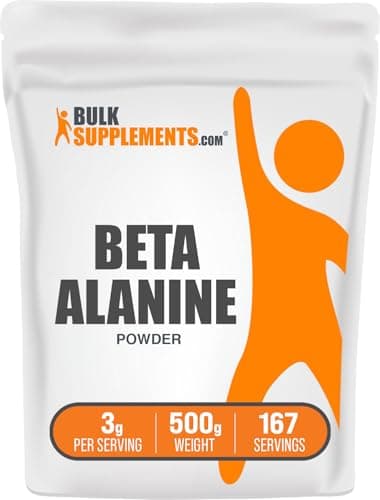
BulkSupplements.com Beta Alanine Powder - Beta-Alanine…
Cost per serving
$0.13
166 servings · ~166-day supply

It's Just! - Beta-Alanine Powder
Cost per serving
$0.18
83 servings · ~83-day supply
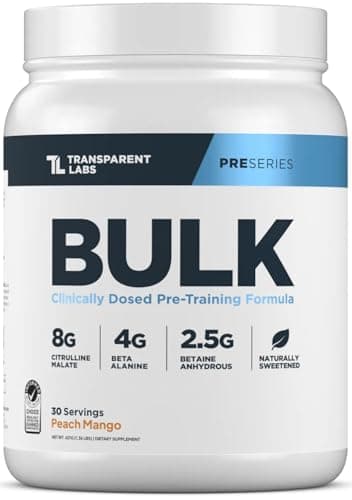
Transparent Labs Bulk Pre Workout Powder - Naturally Sweetened…
Cost per serving
$1.67
30 servings · ~30-day supply
Related guides
Ubiquinol vs ubiquinone: which CoQ10 is worth it
Ubiquinol absorbs somewhat better, but it costs about 2.5x more per 100 mg than ubiquinone — a median $0.335 vs $0.133 across 55 listings we price. What that gap is worth, the dose, and the statin question.
P-5-P vs regular vitamin B6: is the active form worth it?
P-5-P costs about 2x more per 50 mg than plain pyridoxine — a median $0.146 vs $0.071 across 56 listings we price. Most healthy people convert plain B6 fine, so here is what the premium buys, and the safety ceiling that matters more than either form.
Beetroot vs citrulline: which for pumps, and which for endurance
Both raise nitric oxide, but by different routes and for different goals — beetroot has the endurance edge, citrulline is the gym-pump staple. Doses, the honest split, and cost per dose.
Glucosamine for joints: does it work, and what should it cost?
The evidence for glucosamine in knee osteoarthritis is genuinely mixed — helpful for some, no better than placebo in large trials. Sulfate vs HCl, the 1,500 mg dose, the shellfish caveat, and honest cost per serving.