Capsaicin (cayenne): dose, what it does, and cost
Quick answer
Oral cayenne capsules are usually labeled either in mg of capsaicinoids or in heat units (commonly ~40,000-100,000 HU); take them with food and compare products by cost per standardized serving.
Alex Soto, Founder, VitaminDB
6 min readUpdated 8/1/2026
On this page
Oral cayenne capsules are usually labeled in one of two ways: a milligram amount of capsaicinoids, or a heat rating in Scoville heat units (HU), commonly around 40,000-100,000 HU per capsule. Take them with food, start low to test tolerance, and compare products by cost per standardized serving rather than by capsule count.
What capsaicin actually is
Capsaicin is the compound that makes chili peppers hot, and cayenne is the pepper most oral supplements are built around. The related family of compounds is called capsaicinoids, and that is what a well-labeled product will quantify. When you feel heat from a pepper, capsaicin is what your nerves are responding to.
There are two very different uses of capsaicin, and it helps to keep them separate:
- Oral capsules, taken for metabolism, appetite, and digestion. That is the focus here.
- Topical capsaicin, applied to the skin for certain kinds of pain. That is a separate use with its own products and rules, and it is not what this guide covers.
What oral capsaicin is taken for
People take cayenne capsules mainly for appetite, metabolism, and digestion. The honest summary is that the evidence for weight and metabolism effects is modest at best.
- Capsaicin has been studied for a small effect on appetite and on energy expenditure.
- Any effect on actual body weight tends to be small, and it does not replace diet and activity changes.
- If you try it for this reason, treat it as a minor possible nudge, not a solution. Not medical advice.
Setting expectations honestly matters here, because cayenne is often marketed with claims that run far ahead of what the research supports.
How the dose is labeled
This is the part that trips people up. Capsaicin products do not use one standard unit, so two bottles can be hard to compare at a glance.
- Some products state a milligram amount of capsaicin or capsaicinoids per capsule. This is the most directly comparable spec.
- Others state a heat rating in Scoville heat units (HU), often in the 40,000-100,000 HU range per capsule.
- A plain "cayenne 450 mg" capsule tells you how much pepper powder is inside, but not the potency of the active compounds, which is what actually varies.
Because of this, the most useful label is one that gives a standardized capsaicinoid content or a clear HU rating, so you know what you are actually taking.
The main downside: stomach and mouth burning
The most common issue with oral capsaicin is exactly what you would expect from concentrated pepper: burning.
- Burning in the mouth, throat, or stomach is the usual complaint, and it is worse on an empty stomach.
- Take it with food. This is the single most effective way to reduce discomfort.
- Enteric-coated capsules are designed to pass the stomach before dissolving, which cuts down on the burning sensation for many people.
- Start at the low end of the label and see how you tolerate it before going higher. Not medical advice.
If you have reflux, ulcers, or a sensitive stomach, cayenne capsules may not suit you, and that is worth discussing with a clinician before starting.
What to look for on the label
- A standardized capsaicinoid content in milligrams, or a clear HU rating, so products can be compared.
- Enteric coating if you are prone to stomach upset.
- A serving size you can actually match, rather than a proprietary blend that hides the amount.
How to buy capsaicin by cost per dose
Because the labeling varies, the value question comes down to standardizing the units before you compare price.
- Note the capsaicinoid milligrams (or HU) per serving.
- Divide the total price by the number of servings in the bottle to get cost per dose.
- Compare like with like, since a cheap high-count bottle of weak capsules can cost more per effective dose than a smaller bottle of a properly standardized one.
Compare current prices per dose on /nutrients/capsaicin, see the best current value picks on /best/capsaicin, and read exactly how we calculate cost per dose on /methodology.
Buy the option that hits the potency you want at the lowest cost per dose, take it with food, and keep your expectations for metabolism effects modest.
Covered nutrients: Capsaicin (cayenne)
See the live cost-per-dose data
This guide is editorial — the prices below are real and current.
Frequently asked questions
How much capsaicin or cayenne should I take per day?
It depends on the form, because labels differ. Some list a milligram amount of capsaicinoids, and others list heat units, commonly around 40,000-100,000 HU per capsule. Follow the product label, start low to test tolerance, and take it with food. Not medical advice.
Does cayenne boost metabolism or help with weight loss?
Capsaicin has been studied for appetite and metabolism, but the effect on weight is modest at best and not a substitute for diet changes. Treat it as a small possible nudge rather than a weight-loss solution. Not medical advice.
Does capsaicin cause stomach upset?
It can. Burning in the mouth or stomach is the most common complaint, especially on an empty stomach. Taking it with food and choosing an enteric-coated capsule both reduce this. Not medical advice.
How do I compare capsaicin cost per dose?
Convert to the same unit first. Note the capsaicinoid milligrams (or heat units) per serving, then divide the bottle price by the number of servings to get a real cost per dose, so a high-count bottle of weak capsules does not look cheaper than it is.
Where these numbers come from
Cost figures on this page are computed from 39 active Capsaicin (cayenne) listings we track, last re-priced . Cost per dose is price ÷ (servings × dose), computed per listing — not a price we are quoted. Listings under $1 or with fewer than 3 servings are excluded, because both are usually a parse error rather than a bargain.
- Amazon.com · 39
Prices move. Figures written into the text are re-checked against live data on a schedule; the ranking pages are always the current number.
Deals on these nutrients
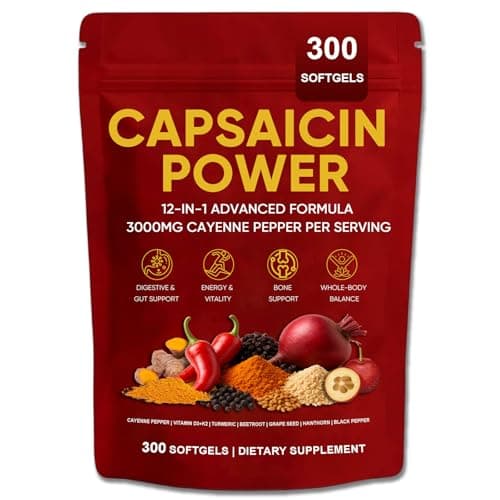
GXSAE Capsaicin Power - Cayenne Pepper Softgels Supplement
Cost per serving
$0.11
300 servings · ~300-day supply
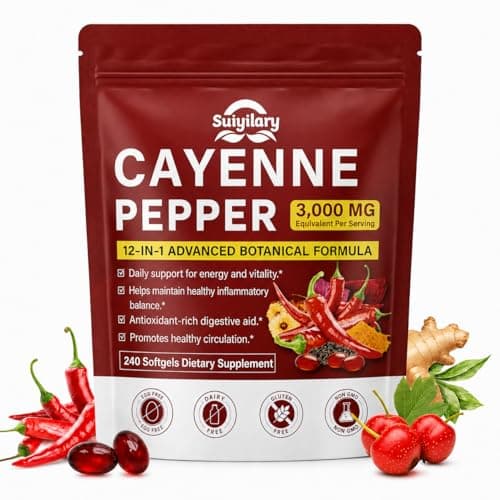
Cayenne Pepper Softgels Capsules
Cost per serving
$0.09
240 servings · ~240-day supply

Aurivita Cayenne Pepper Capsules 180 Softgels - Cayenne Pepper…
Cost per serving
$0.16
180 servings · ~180-day supply
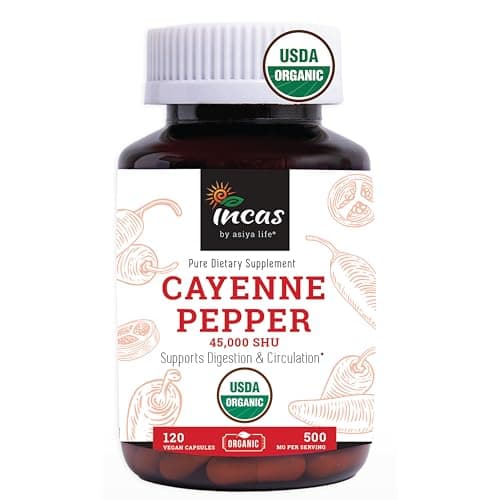
INCAS 100% USDA Organic Cayenne Pepper 120 Capsules (500mg)…
Cost per serving
$0.16
120 servings · ~120-day supply
Related guides
Ubiquinol vs ubiquinone: which CoQ10 is worth it
Ubiquinol absorbs somewhat better, but it costs about 2.5x more per 100 mg than ubiquinone — a median $0.335 vs $0.133 across 55 listings we price. What that gap is worth, the dose, and the statin question.
P-5-P vs regular vitamin B6: is the active form worth it?
P-5-P costs about 2x more per 50 mg than plain pyridoxine — a median $0.146 vs $0.071 across 56 listings we price. Most healthy people convert plain B6 fine, so here is what the premium buys, and the safety ceiling that matters more than either form.
Beetroot vs citrulline: which for pumps, and which for endurance
Both raise nitric oxide, but by different routes and for different goals — beetroot has the endurance edge, citrulline is the gym-pump staple. Doses, the honest split, and cost per dose.
Beta-alanine: dose, the tingling, and what it actually does
Beta-alanine buffers muscle acid to extend high-intensity efforts in the 1–4 minute range. It works by loading over weeks, not as a pre-workout kick. Real dose, why it tingles, and cost per serving.