Elderberry: gummies vs standardized extract — dose and cost
Quick answer
Compare elderberry by cost per serving of actual standardized extract, not per gummy — gummies usually contain less elderberry plus added sugar, and while some studies suggest it may shorten cold symptoms, the evidence is limited and it is not a proven treatment.
Alex Soto, Founder, VitaminDB
6 min readUpdated 8/1/2026 NIH-sourced
On this page
Buy elderberry on the cost per serving of actual standardized extract, not the price per gummy. Gummies are pleasant to take, but they usually carry a smaller amount of elderberry per serving and often add sugar, while standardized liquid extracts and concentrated capsules deliver more per serving — typically at a better cost per dose. And set expectations honestly: some studies suggest elderberry may shorten cold and flu symptoms, but the evidence is limited and it is not a proven treatment.
We sell nothing. We rank elderberry by cost per dose.
What elderberry is
Elderberry comes from Sambucus nigra, the European black elder. The berries are rich in anthocyanins, the dark blue-purple plant pigments that give elderberry its color and are the compounds most often pointed to when its use is discussed. Supplements concentrate the berry into a few forms — syrups and liquid extracts, capsules, lozenges, and gummies — which is where the dose differences start.
What the evidence actually supports
Here's the honest framing. Elderberry has been studied mostly in the context of colds and flu, and some studies suggest it may shorten how long symptoms last. But the body of evidence is limited and mixed — the studies are generally small, and the results aren't the kind of large, repeated trials that would let anyone call it a proven treatment.
So treat elderberry as plausible but unproven for symptom duration, not as a cure. It is not a substitute for medical care: a high fever, difficulty breathing, or symptoms that keep getting worse are reasons to see a clinician, not to reach for another gummy.
Gummies vs standardized extract
This is the choice that decides value. The same plant is inside both, but the amount per serving and the extras differ:
- Gummies are palatable and easy to take, but each gummy usually holds a smaller amount of elderberry than a spoonful of extract, and gummies commonly carry added sugar. Getting a meaningful dose can mean eating several, which raises both the sugar and the cost.
- Standardized liquid extracts and concentrated capsules are formulated to deliver more elderberry per serving, and "standardized" means the maker is targeting a consistent amount of the active fraction serving to serving. These usually work out cheaper per unit of actual elderberry.
"Standardized" is the word to look for: it signals the product is aiming for a consistent extract amount, so one serving is comparable to the next.
Safety: prepared is safe, raw is not
Before the cost question, the evidence one: NCCIH reports that a small number of studies have evaluated elderberry for colds, flu and other upper respiratory infections and that some preliminary research suggests it may relieve symptoms, while there is not enough information to show whether it helps for any other health purpose — and no good evidence for COVID-19. Treat the syrup as a maybe, and price it accordingly.
An important safety point that surprises people: raw or unripe elderberries are toxic, as are the plant's leaves, stems, and seeds, and eating them can cause nausea, vomiting, and stomach upset. This is why you should never make your own remedy from raw berries.
Commercially prepared supplements are processed to be safe to take as directed — the toxic compounds are handled during manufacture. Stick to prepared products, follow the label, and don't improvise with the raw plant. None of this is medical advice.
How to compare elderberry by cost per dose
Because gummies and extracts pack such different amounts, price per bottle — or per gummy — misleads. Normalize to the actual elderberry per serving:
- Cost per serving = bottle price ÷ servings per container.
- Match the extract amount before comparing — a serving with a large amount of standardized extract isn't the same as a single low-dose gummy.
- Discount the gummy tax unless you specifically want a gummy: the format usually costs more per unit of elderberry, before you even count the sugar.
Our best elderberry by cost per dose page ranks products cheapest-first; browse listings on the elderberry nutrient page, and see how we normalize servings and forms in our methodology.
Bottom line
- Compare cost per serving of actual extract, not price per gummy.
- Gummies usually carry less elderberry plus added sugar; standardized extracts and capsules deliver more per serving, often cheaper per dose.
- Evidence that elderberry may shorten cold symptoms is limited and mixed — it is not a proven treatment.
- Prepared supplements are safe as directed; raw or unripe berries are toxic — never DIY.
Pick the form you'll actually take, then buy the cheapest cost per serving of real extract. This is general information, not medical advice.
Covered nutrients: Elderberry
See the live cost-per-dose data
This guide is editorial — the prices below are real and current.
Frequently asked questions
Do elderberry gummies work as well as extract?
The active ingredient is the same plant, but gummies usually deliver a smaller amount of elderberry per serving than a standardized liquid extract or concentrated capsule, and they often add sugar. So a gummy is not automatically weaker in effect, but it frequently provides less elderberry for the money. Compare the actual extract per serving rather than assuming a gummy equals a full dose. This is general information, not medical advice.
Does elderberry help with colds?
Some studies suggest elderberry may shorten how long cold or flu symptoms last, but the evidence is limited and mixed, and it should not be treated as a proven treatment. If you have a high fever, trouble breathing, or symptoms that worsen or persist, see a clinician rather than relying on a supplement. Not medical advice.
Is elderberry safe?
Commercially prepared elderberry supplements are made to be safe to take as directed. Raw or unripe elderberries, along with the plant's leaves, stems, and seeds, are toxic and can cause nausea and vomiting, which is why you should never make your own from raw berries. Stick to prepared products and follow the label. Not medical advice.
How do I compare elderberry products on cost?
Divide the price by the number of servings, then look at how much actual elderberry extract each serving contains — the cost per serving of real extract is the fair comparison. A cheap-per-gummy bottle can be expensive per unit of elderberry if each gummy holds only a small amount.
Where these numbers come from
Cost figures on this page are computed from 14 active Elderberry listings we track, last re-priced . Cost per dose is price ÷ (servings × dose), computed per listing — not a price we are quoted. Listings under $1 or with fewer than 3 servings are excluded, because both are usually a parse error rather than a bargain.
- Amazon.com · 14
Prices move. Figures written into the text are re-checked against live data on a schedule; the ranking pages are always the current number.
Sources
Health claims on this page are drawn from these sources. Prices and cost-per-dose figures come from our own tracked listings, not from the sources below.
- 1.Elderberry — NIH National Center for Complementary and Integrative Health
Deals on these nutrients
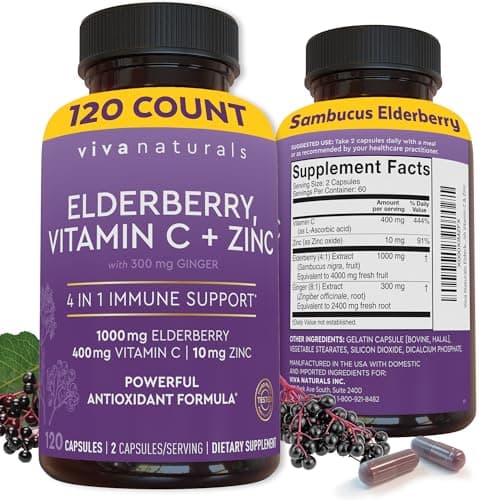
Viva Naturals Elderberry with Vitamin C and Zinc
Cost per serving
$0.18
120 servings · ~120-day supply
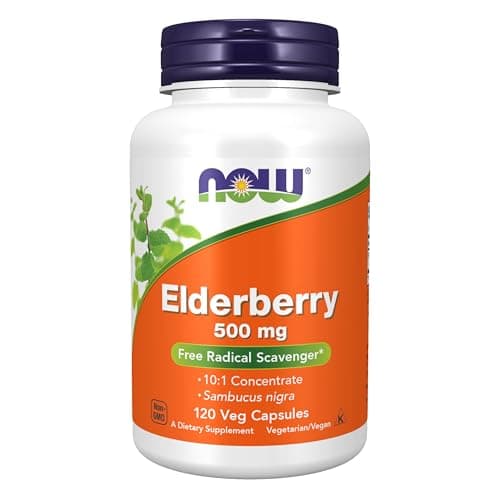
NOW Foods Supplements, Elderberry (Sambucus nigra)500 mg, 10:1…
Cost per serving
$0.14
120 servings · ~120-day supply

Nature's Way Black Elderberry Capsules
Cost per serving
$0.11
100 servings · ~100-day supply
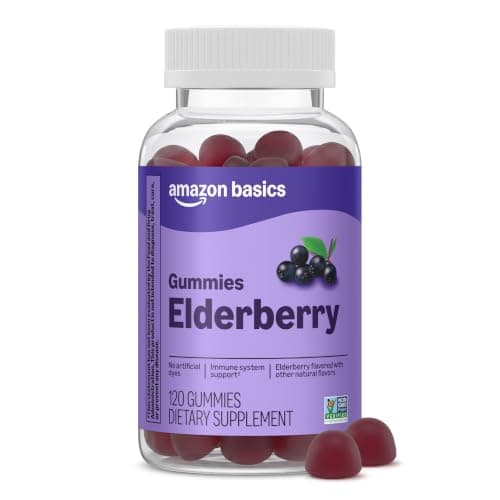
Amazon Basics Adult Elderberry 50 mg Gummy, 120 Count
Cost per serving
$0.09
120 servings · ~120-day supply
Related guides
Ubiquinol vs ubiquinone: which CoQ10 is worth it
Ubiquinol absorbs somewhat better, but it costs about 2.5x more per 100 mg than ubiquinone — a median $0.335 vs $0.133 across 55 listings we price. What that gap is worth, the dose, and the statin question.
P-5-P vs regular vitamin B6: is the active form worth it?
P-5-P costs about 2x more per 50 mg than plain pyridoxine — a median $0.146 vs $0.071 across 56 listings we price. Most healthy people convert plain B6 fine, so here is what the premium buys, and the safety ceiling that matters more than either form.
Beetroot vs citrulline: which for pumps, and which for endurance
Both raise nitric oxide, but by different routes and for different goals — beetroot has the endurance edge, citrulline is the gym-pump staple. Doses, the honest split, and cost per dose.
Beta-alanine: dose, the tingling, and what it actually does
Beta-alanine buffers muscle acid to extend high-intensity efforts in the 1–4 minute range. It works by loading over weeks, not as a pre-workout kick. Real dose, why it tingles, and cost per serving.