Fish oil vs krill oil: the real cost per gram of EPA + DHA
Quick answer
Krill oil is marketed and priced as premium, but standard fish oil delivers far more EPA + DHA per dollar. Buy on cost per gram of EPA + DHA — plain fish oil almost always wins on value, krill's smaller doses rarely justify the markup.
Alex Soto, Founder, VitaminDB
6 min readUpdated 7/2/2026 NIH-sourced
Fish oil
best value
Krill oil
premium-priced
EPA + DHA per dollar
Dose size
Price
Krill’s narrow edge
Best for
Verdict: Buy on cost per gram of EPA + DHA — plain fish oil almost always wins. Krill's smaller doses rarely justify the premium; its narrow edge is a phospholipid form and smaller pills.
On this page
Krill oil has a great marketing story: tiny crustaceans, phospholipid-bound omega-3s, a little astaxanthin for color, "better absorbed than fish oil." Some of that is even true. What the story leaves out is the price per gram of the thing you're actually buying — EPA and DHA — and on that number, krill oil usually loses to plain fish oil by a lot.
What you're actually paying for
You don't take an omega-3 supplement for "fish oil" or "krill oil." You take it for EPA and DHA, the two omega-3 fatty acids the research is about. General guidance lands around 250–500 mg of combined EPA + DHA per day for a healthy adult (a general NIH-style reference, not medical advice). So the only fair way to compare two bottles is cost per gram of EPA + DHA delivered — not cost per bottle, not cost per capsule.
The front-of-bottle number sabotages this on purpose. "1000 mg" is total oil; the EPA + DHA inside is a fraction of it. On krill especially, that fraction is often small.
Where krill loses the value math
Two things stack against krill oil on cost per gram of omega-3:
- Less EPA + DHA per capsule. Krill softgels commonly carry a modest amount of omega-3 each, so hitting a daily target can take several capsules — which drains the bottle faster and multiplies your real daily cost.
- A premium raw-material price. Krill is more expensive to harvest and is marketed as the upgrade, so the sticker sits higher to begin with.
Put those together and the cost per gram of EPA + DHA from krill is frequently several times higher than from a decent fish oil. The bottle prices might look comparable on the shelf; the omega-3-per-dollar is not.
The NIH fact sheet treats them as the same family of actives: EPA and DHA are present in fish, fish oils and krill oils, but are originally synthesised by microalgae at the base of the marine food chain, and it lists fish oil, krill oil, cod liver oil and algal oil side by side as formulations. The molecule you are buying is the same; the price per gram of it is not.
Krill's real, narrow advantage
To be fair to krill: its omega-3s come phospholipid-bound, which is absorbed at least as well as fish oil's triglyceride form — genuinely a point in its favor, and some people find krill easier on the stomach with fewer fishy burps. That's a real, well-established tolerability/absorption edge.
But absorption being "at least as good" doesn't rescue the math when you're getting far fewer grams of omega-3 per dollar in the first place. A better-absorbed but tiny dose at a premium price still delivers less EPA + DHA per dollar than a well-absorbed generous dose at a normal price. Fish oil's triglyceride form is itself well absorbed with a fatty meal — this isn't a case of paying up to fix a bad cheap form.
How to check it yourself
Under a minute, on either bottle:
- Read the Supplement Facts panel, not the front. Find EPA + DHA per serving (add them if listed separately).
- Note the serving size — how many capsules — and servings per bottle.
- Total grams of EPA + DHA in the bottle = (EPA + DHA per serving) × servings.
- Cost per gram of omega-3 = bottle price ÷ total grams of EPA + DHA.
- Compare that number between the fish oil and the krill oil. It's usually not close.
The fish oil vs krill oil comparison runs this side by side with live pricing, and the best-value omega-3 ranking sorts current bottles by cost per effective dose so you can see where any given krill or fish oil bottle actually lands. For the whole-catalog view of how premium forms get priced, the form-premium study and full research put numbers to the pattern.
When krill might still make sense
Buy krill on purpose if the phospholipid form genuinely sits better in your stomach, you strongly prefer the smaller softgels, or fishy aftertaste is a dealbreaker that's kept you from taking omega-3s at all — an omega-3 you'll actually take beats a cheaper one you won't. Just go in knowing you're paying a real premium per gram of EPA + DHA for those comfort reasons, not buying a more effective omega-3.
Bottom line
Krill oil is absorbed at least as well as fish oil and can be gentler on the stomach — but it usually delivers far less EPA + DHA per capsule at a premium price, so its cost per gram of omega-3 often runs several times higher. For pure value, plain fish oil almost always wins. Compare cost per gram of EPA + DHA, not the sticker: see the live comparison and best-value omega-3. Shopping guidance, not medical advice.
Covered nutrients: Omega-3 EPA/DHA, Fish Oil, Krill Oil
See the live cost-per-dose data
This guide is editorial — the prices below are real and current.
Frequently asked questions
Is krill oil better than fish oil?
Krill oil delivers its omega-3s in a phospholipid form that's absorbed at least as well as fish oil, which is a fair point in its favor. But krill capsules usually pack far less EPA + DHA per pill, so you take more of them, and it's typically priced several times higher per gram of omega-3. For most people fish oil delivers more omega-3 per dollar. Not medical advice.
Why is krill oil so much more expensive per dose?
Two reasons stack up: krill capsules tend to contain a small amount of EPA + DHA each, so you need more of them to hit a given target, and krill is a pricier raw material marketed as premium. The combination means the cost per gram of actual omega-3 is often much higher than plain fish oil, even when the bottle price looks similar.
How do I compare fish oil and krill oil fairly?
Ignore the "1000 mg" on the front — that's total oil, not omega-3. Find the EPA + DHA per serving on the Supplement Facts panel, note how many capsules a serving is and how many servings are in the bottle, then divide price by total grams of EPA + DHA. Compare that cost-per-gram number, not the sticker price. The live comparison linked below does this for you.
Where these numbers come from
Cost figures on this page are computed from 89 active Omega-3 EPA/DHA / Fish Oil / Krill Oil listings we track, last re-priced . Cost per dose is price ÷ (servings × dose), computed per listing — not a price we are quoted. Listings under $1 or with fewer than 3 servings are excluded, because both are usually a parse error rather than a bargain.
- Amazon.com · 87
- SuperSmart · 2
Prices move. Figures written into the text are re-checked against live data on a schedule; the ranking pages are always the current number.
Sources
Health claims on this page are drawn from these sources. Prices and cost-per-dose figures come from our own tracked listings, not from the sources below.
- 1.Omega-3 Fatty Acids: Fact Sheet for Health Professionals — NIH Office of Dietary Supplements
Deals on these nutrients
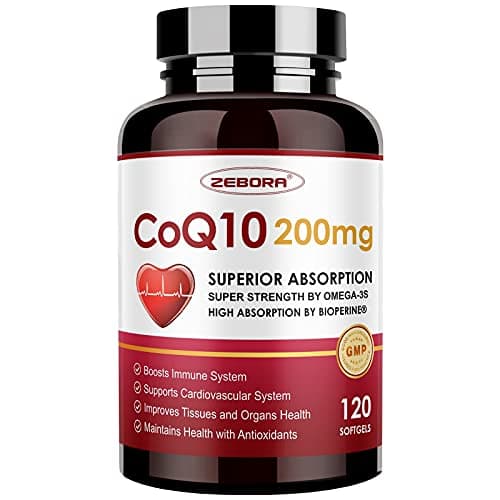
ZEBORA CoQ10-200mg-Softgels with PQQ
Cost per serving
$0.18
120 servings · ~120-day supply

Micro Ingredients Triple Strength Omega 3 Fish Oil Supplements…
Cost per serving
$0.14
240 servings · ~240-day supply

GNC Triple Strength Fish Oil, 1000mg EPA & DHA, 60 Softgels
Cost per serving
$0.63
60 servings · ~60-day supply

InnovixLabs Triple Strength Omega 3 Fish Oil 900 mg EPA DHA…
Cost per serving
$0.25
200 servings · ~200-day supply
Related guides
Turmeric vs fish oil: which for inflammation, joints, and heart
Both support a healthy inflammatory response — by different mechanisms, so they aren't interchangeable. Fish oil leans cardiovascular and general; curcumin leans joints. Doses and cost per dose.
Best anti-inflammatory supplements, by cost per clinical dose
The anti-inflammatory supplements with the best evidence, each with an honest clinical dose: omega-3 fish oil, curcumin, and ginger, compared by cost per effective dose.
Fish oil: compare by cost per gram of EPA+DHA, not per softgel
A '1,000 mg fish oil' softgel can hold only ~300 mg of real omega-3. Read the label, add EPA+DHA, and compare by cost per gram of actual EPA+DHA.
Third-party supplement testing explained: USP, NSF, Informed Sport and the rest
Supplements are not FDA-approved before sale, so third-party seals are the main independent check on what's actually in the bottle. Here's what USP, NSF, NSF Certified for Sport, Informed Sport and Informed Choice each test — and why 'GMP certified' is not the same thing.