Omega-3 fish oil: how to read EPA + DHA on the label
Quick answer
Ignore the '1000 mg fish oil' on the front and buy on the EPA + DHA line of the Supplement Facts panel — aim for roughly 250-500 mg of combined EPA + DHA per day, and compare products by cost per gram of EPA + DHA, since a '1000 mg' softgel can hold only ~300 mg of the active omega-3s.
Alex Soto, Founder, VitaminDB
5 min readUpdated 5/3/2026
On this page
The front of an omega-3 bottle usually shouts "1000 mg fish oil per softgel". That number is mostly fish oil triglycerides — only a fraction is the bioactive omega-3 fatty acids EPA and DHA.
What to actually look for
Flip the bottle. The Supplement Facts panel breaks down the fish oil into:
A typical 1000 mg softgel contains 180 mg EPA + 120 mg DHA = 300 mg combined active. So you'd need 3 softgels a day to hit a 900 mg EPA+DHA target.
Concentrated oils (sometimes labelled "high potency", "TG concentrate", or "Triple-Strength") put 500–650 mg EPA+DHA into the same softgel. They cost more per softgel but less per gram of active.
Daily target
EFSA's stance: 250 mg combined EPA+DHA daily for general adults. Cardiovascular societies (AHA, ESC) recommend 1000 mg/day for established heart disease prevention. Pregnancy raises the DHA requirement to ~200 mg in addition.
Round number: 500–1000 mg combined EPA+DHA daily is the supportable practical target for most adults.
Triglyceride vs ethyl ester form
- TG (re-esterified triglyceride) — closer to the natural fish form, ~50% better absorbed in fasting conditions.
- EE (ethyl ester) — the cheap industrial form. Absorption gap shrinks if you take it with a fatty meal.
If two bottles list the same EPA+DHA at the same price, prefer TG. The label usually says "natural triglyceride" or "rTG". If it says nothing, assume EE.
Quality flags worth paying for
- IFOS / Friend of the Sea certification — third-party tests for oxidation (rancidity), heavy metals, PCBs.
- Burp test — fresh oil should taste mildly fishy, not "rotten fish". Rancid oil is harmful.
- Dark glass bottle if liquid; refrigerate after opening.
Practical buying rule
Compare the cost per gram of EPA+DHA, not per softgel.
A bottle of 60 softgels at $15 with 300 mg EPA+DHA each = 18 g of actives total = $0.83 per gram.
A bottle of 60 softgels at $25 with 600 mg EPA+DHA each = 36 g actives = $0.69 per gram.
The "more expensive" one is actually cheaper. Our cost-per-dose ranking does this math for you.
Covered nutrients: Omega-3 EPA/DHA
See the live cost-per-dose data
This guide is editorial — the prices below are real and current.
Frequently asked questions
How much EPA and DHA should I take per day?
General guidance is roughly 250-500 mg of combined EPA + DHA per day for healthy adults, and the FDA advises supplement labels not recommend more than 2 g/day of EPA + DHA (higher amounts for triglycerides are used under medical care), per the NIH Office of Dietary Supplements. The key is to read the EPA + DHA line on the Supplement Facts panel, not the total fish-oil milligrams on the front. Not medical advice.
Why is the 1000 mg on the front of the fish oil bottle misleading?
Because that number is total fish oil, and only a fraction of it is the active EPA and DHA. A '1000 mg' softgel might contain only 300 mg of actual EPA + DHA, so two bottles at the same front-label number can differ two- or three-fold in what matters. Always buy on EPA + DHA content — which is exactly what our cost-per-dose ranking normalises to.
Is triglyceride or ethyl ester fish oil better?
The triglyceride (rTG) form is somewhat better absorbed than the ethyl ester (EE) form, though both deliver EPA and DHA. EE is cheaper and concentrated; rTG costs a little more. Rather than pay a blanket premium, compare the real cost per gram of EPA + DHA between them — sometimes the concentrated EE still wins on value.
Where these numbers come from
Cost figures on this page are computed from 89 active Omega-3 EPA/DHA listings we track, last re-priced . Cost per dose is price ÷ (servings × dose), computed per listing — not a price we are quoted. Listings under $1 or with fewer than 3 servings are excluded, because both are usually a parse error rather than a bargain.
- Amazon.com · 87
- SuperSmart · 2
Prices move. Figures written into the text are re-checked against live data on a schedule; the ranking pages are always the current number.
Sources
Health claims on this page are drawn from these sources. Prices and cost-per-dose figures come from our own tracked listings, not from the sources below.
- 1.Omega-3 Fatty Acids: Fact Sheet for Health Professionals — NIH Office of Dietary Supplements
Deals on these nutrients
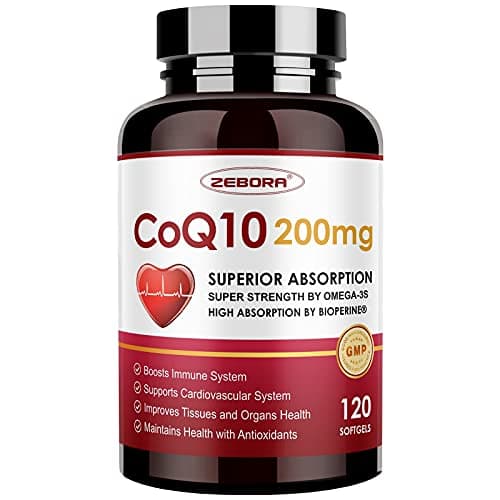
ZEBORA CoQ10-200mg-Softgels with PQQ
Cost per serving
$0.18
120 servings · ~120-day supply

Micro Ingredients Triple Strength Omega 3 Fish Oil Supplements…
Cost per serving
$0.14
240 servings · ~240-day supply

GNC Triple Strength Fish Oil, 1000mg EPA & DHA, 60 Softgels
Cost per serving
$0.63
60 servings · ~60-day supply

InnovixLabs Triple Strength Omega 3 Fish Oil 900 mg EPA DHA…
Cost per serving
$0.25
200 servings · ~200-day supply
Related guides
Fish oil vs krill oil: the real cost per gram of EPA + DHA
Krill oil is marketed as the premium omega-3 — and it's often priced like it, several times more per gram of EPA + DHA. Once you count the actual omega-3s delivered per dollar, plain fish oil usually wins on value by a wide margin.
Third-party supplement testing explained: USP, NSF, Informed Sport and the rest
Supplements are not FDA-approved before sale, so third-party seals are the main independent check on what's actually in the bottle. Here's what USP, NSF, NSF Certified for Sport, Informed Sport and Informed Choice each test — and why 'GMP certified' is not the same thing.
What a supplement should cost per dose — and how to tell if you're overpaying
The sticker price on the bottle is the wrong number. Cost per dose — price ÷ servings ÷ active amount — is what you actually pay each day, and the same dose can cost many times more just depending on the brand.
Turmeric vs fish oil: which for inflammation, joints, and heart
Both support a healthy inflammatory response — by different mechanisms, so they aren't interchangeable. Fish oil leans cardiovascular and general; curcumin leans joints. Doses and cost per dose.