Turmeric vs fish oil: which for inflammation, joints, and heart
Quick answer
They aren't interchangeable — many take both. Fish oil (aim ~2–3 g/day combined EPA+DHA) has the broader cardiovascular and general evidence; curcumin from turmeric (~500 mg with an absorption aid like piperine) is more targeted at joint comfort. General/heart → fish oil; joints → curcumin; often together.
Alex Soto, Founder, VitaminDB
6 min readUpdated 8/14/2026 NIH-sourced
Turmeric (curcumin)
joints
Fish oil
heart / general
Active
Best for
Dose
Absorption note
Verdict: Different mechanisms, complementary — not either/or. Fish oil's omega-3s have the broader cardiovascular + general evidence (aim 2–3 g/day EPA+DHA); curcumin is more joint-targeted and needs an absorption aid (~500 mg + piperine). Joints → curcumin; heart/general → fish oil; many take both. Not medical advice.
On this page
"Turmeric vs fish oil" sets up a fight that mostly doesn't exist — they're two of the best-supported anti-inflammatory supplements, and they work by different mechanisms. The real question is which fits your goal, and whether you want both.
Different actives, different lean
- Fish oil supplies EPA and DHA (omega-3 fatty acids). Its evidence base is the broader one — cardiovascular and general — and it supports joints as part of that.
- Curcumin (the active in turmeric) is a polyphenol with more of its research pointed at joint comfort.
So: heart/general → fish oil; joints specifically → curcumin. Many people take both, because the pathways complement rather than overlap.
The doses — and the absorption catch
- Fish oil: aim for 2–3 g/day of combined EPA+DHA for an inflammation goal. Read the label — add the EPA and DHA milligrams; a "1,000 mg fish oil" softgel may only contain ~300 mg of actual omega-3. Take with a fatty meal.
- Curcumin: ~500 mg/day, but only from a product with an absorption aid (piperine, or a lipid/phytosome form). Plain curcumin is notoriously poorly absorbed — without the aid you're mostly paying for expensive excretion. (More on that in the turmeric absorption guide.)
One shared caution
On the fish-oil side, the NIH notes that the doses reviewed have not been shown to cause bleeding problems or affect immune function, glucose homeostasis or lipid peroxidation — the bleeding worry is more often repeated than demonstrated. On the turmeric side, NCCIH warns the opposite way: highly bioavailable curcumin formulations may harm your liver.
Both can have a mild blood-thinning effect. If you take anticoagulants or have surgery coming up, clear either with a clinician first.
How to buy without overpaying
The honest units differ: fish oil = cost per gram of EPA+DHA; curcumin = cost per standardized dose with an absorption aid. Compare on the fish oil hub and the turmeric hub (methodology).
Bottom line
Not either/or. Fish oil leans cardiovascular/general (2–3 g EPA+DHA); curcumin leans joints (~500 mg + piperine). Pick by your goal, or take both — just mind the shared blood-thinning caution. This is general information, not medical advice.
Covered nutrients: Turmeric Curcumin, Fish Oil, Omega-3 EPA/DHA
See the live cost-per-dose data
This guide is editorial — the prices below are real and current.
Frequently asked questions
Turmeric or fish oil for inflammation?
They work by different mechanisms, so it's less either/or than people think. Fish oil's omega-3s (2–3 g/day EPA+DHA) have the broader cardiovascular and general evidence; curcumin from turmeric (~500 mg with piperine) is more targeted at joint comfort. Many people take both. This is general information, not medical advice.
Which is better for joints specifically?
Curcumin has more of its research pointed at joint comfort, so for joints specifically it's the more targeted pick — but buy a standardized curcumin with an absorption aid (piperine or a lipid/phytosome form), because plain curcumin barely absorbs. Fish oil supports joints too as part of its broader profile.
Can you take turmeric and fish oil together?
Yes, and it's common — different pathways, complementary effects. One caution — both can have a mild blood-thinning effect, so if you take anticoagulants or are heading for surgery, clear it with a clinician first. Not medical advice.
How do I compare their cost honestly?
For fish oil, compare cost per gram of combined EPA+DHA (not per softgel — a "1,000 mg fish oil" cap may hold only ~300 mg EPA+DHA). For turmeric, compare cost per standardized curcumin dose that includes an absorption aid. See the hubs below.
Where these numbers come from
Cost figures on this page are computed from 126 active Turmeric Curcumin / Fish Oil / Omega-3 EPA/DHA listings we track, last re-priced . Cost per dose is price ÷ (servings × dose), computed per listing — not a price we are quoted. Listings under $1 or with fewer than 3 servings are excluded, because both are usually a parse error rather than a bargain.
- Amazon.com · 123
- SuperSmart · 3
Prices move. Figures written into the text are re-checked against live data on a schedule; the ranking pages are always the current number.
Sources
Health claims on this page are drawn from these sources. Prices and cost-per-dose figures come from our own tracked listings, not from the sources below.
- 1.Turmeric — NIH National Center for Complementary and Integrative Health
- 2.Omega-3 Fatty Acids: Fact Sheet for Health Professionals — NIH Office of Dietary Supplements
Deals on these nutrients
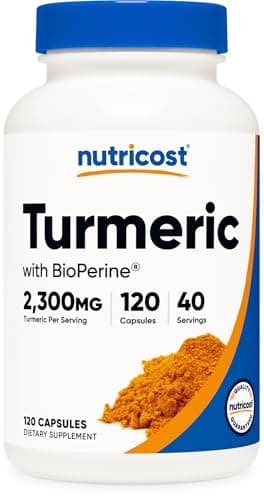
Nutricost Turmeric Curcumin with BioPerine and 95%…
Cost per serving
$0.37
40 servings · ~40-day supply
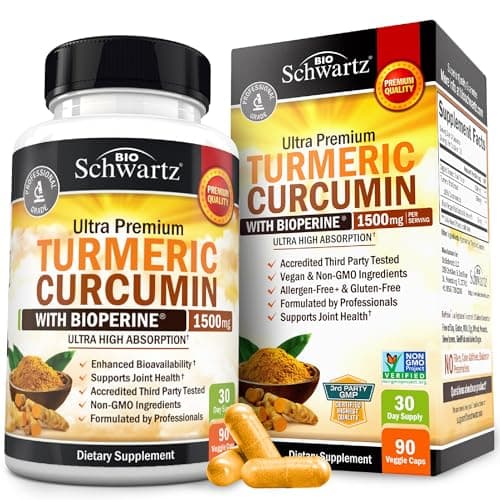
Turmeric Curcumin with Black Pepper Extract 1500mg - High…
Cost per serving
$0.22
90 servings · ~90-day supply
ZEBORA CoQ10-200mg-Softgels with PQQ
Cost per serving
$0.18
120 servings · ~120-day supply

Micro Ingredients Triple Strength Omega 3 Fish Oil Supplements…
Cost per serving
$0.14
240 servings · ~240-day supply
Related guides
Best anti-inflammatory supplements, by cost per clinical dose
The anti-inflammatory supplements with the best evidence, each with an honest clinical dose: omega-3 fish oil, curcumin, and ginger, compared by cost per effective dose.
Fish oil: compare by cost per gram of EPA+DHA, not per softgel
A '1,000 mg fish oil' softgel can hold only ~300 mg of real omega-3. Read the label, add EPA+DHA, and compare by cost per gram of actual EPA+DHA.
Fish oil vs krill oil: the real cost per gram of EPA + DHA
Krill oil is marketed as the premium omega-3 — and it's often priced like it, several times more per gram of EPA + DHA. Once you count the actual omega-3s delivered per dollar, plain fish oil usually wins on value by a wide margin.
Turmeric and curcumin: why absorption, not dose, is the whole game
Plain turmeric powder barely gets into your blood. The dose that matters is curcumin — and whether it's paired with black pepper or a lipid/phytosome delivery. How to read the label so you don't buy expensive excretion.