Best anti-inflammatory supplements, by cost per clinical dose
Quick answer
The best-evidenced anti-inflammatory picks are omega-3 fish oil (~2-3 g/day combined EPA+DHA), curcumin (~500 mg with an absorption aid), and ginger (~1-1.5 g/day) — compare them by cost per effective dose, not sticker price.
Alex Soto, Founder, VitaminDB
7 min readUpdated 7/31/2026 NIH-sourced
On this page
The anti-inflammatory supplements with the best evidence are omega-3 fish oil, curcumin from turmeric, and ginger. Each has an honest clinical dose, and the smart way to choose among them is to compare cost per effective dose, not sticker price. A cheap bottle can be expensive once you count how much active it actually delivers.
One framing to keep throughout: these support a healthy inflammation response. They are not treatments for any disease, and the effects are moderate. This is general information, not medical advice.
Omega-3 fish oil
Omega-3s (EPA and DHA) are the most studied of the group for inflammation. A commonly cited target is about 2-3 g/day of combined EPA plus DHA.
The catch is the label. Most bottles advertise total fish oil milligrams (for example, "1,000 mg fish oil"), but only a fraction of that is EPA and DHA. A softgel might be 1,000 mg of oil but only 300 mg of actual EPA+DHA, meaning you need far more softgels to reach the target than the front label suggests.
So the only fair comparison is cost per gram of EPA+DHA:
- Read the EPA and DHA amounts on the supplement facts, not the "fish oil" headline.
- Add EPA and DHA together, then work out how many softgels reach 2-3 g.
- Divide the price by the number of those effective doses in the bottle.
Concentrated fish oils cost more per softgel but often win on cost per gram of EPA+DHA because you swallow fewer of them. Not medical advice.
Curcumin (turmeric)
Curcumin is the active compound in turmeric, and it has moderate evidence for supporting a healthy inflammation response. A common dose is around 500 mg of curcumin, but there is a well-known absorption problem: curcumin on its own is poorly absorbed.
That is why most effective products pair it with an absorption aid like piperine (black pepper extract) or use a specialized delivery form. Plain "turmeric powder" capsules without any absorption help are the ones most likely to underdeliver.
For the full breakdown of forms, absorption aids, and how much curcumin is actually in "turmeric" products, see /guides/turmeric-curcumin-absorption.
When comparing curcumin products, the effective-dose question is cost per standardized curcumin dose with an absorption aid, not cost per turmeric capsule. Not medical advice.
Ginger
Ginger rounds out the group. Its active gingerols have moderate evidence for inflammation and strong support for nausea, and a typical dose is about 1-1.5 g/day, often split.
Ginger tends to be inexpensive, but the same rule applies: a standardized extract that lists gingerol content is easier to compare than a plain "ginger root" capsule where you cannot see the potency.
Two source notes that shape this shortlist. For omega-3, consuming EPA and DHA directly is the only practical way to raise their levels in the body — which is why we price per gram of EPA+DHA, not per capsule. For ginger, NCCIH lists oral side effects of abdominal discomfort, heartburn, diarrhoea, and mouth and throat irritation.
What did not make the shortlist, and why
Plenty of ingredients are marketed as anti-inflammatory with far thinner evidence. Rather than pad this list, the three above are the ones with the most consistent human support at a definable dose. If you only add one, omega-3 or curcumin is the reasonable place to start.
How to compare by cost per clinical dose
The entire point of this page is to stop comparing bottles by their front-label numbers. Do this instead:
- Omega-3: cost per gram of EPA+DHA, not per softgel.
- Curcumin: cost per standardized curcumin dose with an absorption aid, not per turmeric capsule.
- Ginger: cost per dose at the 1-1.5 g target, using gingerol content where listed.
Then buy the lowest cost per effective dose that hits the clinical amount you are aiming for.
Compare current omega-3 value on /nutrients/omega-3 and the best current picks on /best/omega-3, compare turmeric options on /nutrients/turmeric, and read exactly how we calculate cost per dose on /methodology.
Sticker price hides the real cost. Effective dose is what your body sees, and it is what your comparison should be built on.
Covered nutrients: Omega-3 EPA/DHA, Fish Oil, Turmeric Curcumin, Ginger
See the live cost-per-dose data
This guide is editorial — the prices below are real and current.
Frequently asked questions
Which supplement has the best anti-inflammatory evidence?
Omega-3 fish oil and curcumin from turmeric have the most support for helping a healthy inflammation response, with ginger close behind. The effects are moderate and these are not treatments for disease. This is general information, not medical advice.
How much omega-3 should I take for inflammation?
A commonly cited target is about 2-3 g/day of combined EPA plus DHA. Read the label for the actual EPA and DHA per softgel, since total fish oil milligrams overstate the active amount. Not medical advice.
Is turmeric anti-inflammatory?
Curcumin, the active in turmeric, has moderate evidence for supporting a healthy inflammation response, but it is poorly absorbed on its own and is usually paired with an absorption aid like piperine. Treat it as supportive, not a cure. Not medical advice.
How do I compare the cost of anti-inflammatory supplements?
Compare by cost per effective dose, not per bottle. For fish oil that means cost per gram of EPA+DHA, and for curcumin it means cost per standardized curcumin dose with an absorption aid.
Where these numbers come from
Cost figures on this page are computed from 157 active Omega-3 EPA/DHA / Fish Oil / Turmeric Curcumin / Ginger listings we track, last re-priced . Cost per dose is price ÷ (servings × dose), computed per listing — not a price we are quoted. Listings under $1 or with fewer than 3 servings are excluded, because both are usually a parse error rather than a bargain.
- Amazon.com · 153
- SuperSmart · 4
Prices move. Figures written into the text are re-checked against live data on a schedule; the ranking pages are always the current number.
Sources
Health claims on this page are drawn from these sources. Prices and cost-per-dose figures come from our own tracked listings, not from the sources below.
- 1.Omega-3 Fatty Acids: Fact Sheet for Health Professionals — NIH Office of Dietary Supplements
- 2.Turmeric — NIH National Center for Complementary and Integrative Health
- 3.Ginger — NIH National Center for Complementary and Integrative Health
Deals on these nutrients
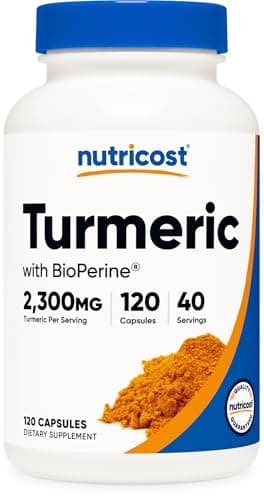
Nutricost Turmeric Curcumin with BioPerine and 95%…
Cost per serving
$0.37
40 servings · ~40-day supply
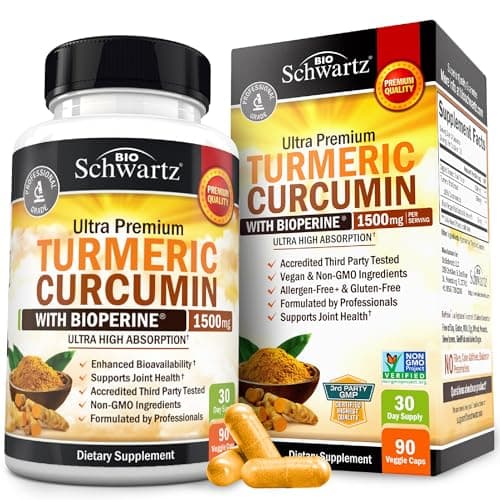
Turmeric Curcumin with Black Pepper Extract 1500mg - High…
Cost per serving
$0.22
90 servings · ~90-day supply
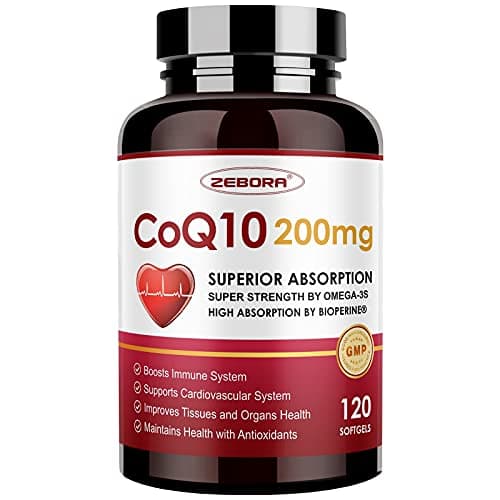
ZEBORA CoQ10-200mg-Softgels with PQQ
Cost per serving
$0.18
120 servings · ~120-day supply

Micro Ingredients Triple Strength Omega 3 Fish Oil Supplements…
Cost per serving
$0.14
240 servings · ~240-day supply
Related guides
Turmeric vs fish oil: which for inflammation, joints, and heart
Both support a healthy inflammatory response — by different mechanisms, so they aren't interchangeable. Fish oil leans cardiovascular and general; curcumin leans joints. Doses and cost per dose.
Fish oil: compare by cost per gram of EPA+DHA, not per softgel
A '1,000 mg fish oil' softgel can hold only ~300 mg of real omega-3. Read the label, add EPA+DHA, and compare by cost per gram of actual EPA+DHA.
Fish oil vs krill oil: the real cost per gram of EPA + DHA
Krill oil is marketed as the premium omega-3 — and it's often priced like it, several times more per gram of EPA + DHA. Once you count the actual omega-3s delivered per dollar, plain fish oil usually wins on value by a wide margin.
Ginger for nausea: the dose that works, and cost
Ginger is one of the better-supported natural anti-nausea options at ~1-1.5 g/day. The dose for nausea, the pregnancy and motion-sickness notes, and how to buy by cost per dose.