Ginger for nausea: the dose that works, and cost
Quick answer
For nausea, a typical dose is about 1-1.5 g of ginger per day (often split), and standardized extracts state their gingerol content so you can compare cost per dose.
Alex Soto, Founder, VitaminDB
6 min readUpdated 7/31/2026 NIH-sourced
On this page
For nausea, a typical dose is about 1-1.5 g of ginger per day, often split into smaller amounts through the day. Ginger is one of the better-supported natural options for nausea, and if you buy a standardized extract, the gingerol content on the label lets you compare products on cost per dose instead of guessing.
Why ginger is the natural anti-nausea option worth knowing
Most "natural remedies" have thin evidence. Ginger is an exception in one specific area: nausea. Its active compounds, the gingerols (and related shogaols), are thought to act on the gut and on nausea signaling. Across several settings, ginger has shown a real, if modest, ability to reduce nausea, which is why clinicians sometimes suggest it as a first, low-risk thing to try.
The strongest use cases are:
- Pregnancy-related nausea (morning sickness)
- Motion sickness
- Post-operative nausea
The dose for nausea
A practical target is 1-1.5 g of ginger per day, usually split into two to four smaller doses rather than taken all at once. Splitting it keeps a steady effect and is gentler on the stomach.
Notes that help:
- Start at the low end. Larger single doses are more likely to cause heartburn or a burning aftertaste.
- Time it to the trigger for motion sickness, taking it before travel rather than after symptoms start.
- Forms are interchangeable in principle: capsules, standardized extracts, chews, and real ginger tea all deliver gingerols, but only standardized products tell you how much. This is general information, not medical advice.
Pregnancy: helpful, but check first
Ginger is one of the more studied options for nausea in pregnancy, which is exactly why it comes up so often. But pregnancy is not a situation to self-dose. Confirm the amount and whether it fits your situation with your clinician or midwife before starting. The message is not "avoid ginger," it is "discuss the dose first." Not medical advice.
Motion sickness and post-op nausea
For motion sickness, some evidence supports ginger, and the usual approach is to take it a bit before you travel so it is on board when the trigger hits. Results vary from person to person, so treat it as worth trying rather than certain.
For post-operative nausea, ginger has been studied as an add-on, but anything around surgery should be run past your care team, partly because of possible effects on bleeding. Not medical advice.
Who should be cautious
- People on blood thinners, since ginger may add a mild effect.
- Anyone who finds the common side effects unpleasant: NCCIH lists abdominal discomfort, heartburn, diarrhoea, and mouth and throat irritation when ginger is taken orally.
- Anyone with significant acid reflux or gallstones, as higher doses can aggravate both.
- Those scheduled for surgery, who should mention it to their team. Not medical advice.
What to look for on the label
Because gingerols are the active, the most useful spec is a standardized gingerol content, or at least a clear milligram amount of ginger per serving.
- A standardized extract that lists gingerol content is the easiest to compare.
- A plain "ginger root 550 mg" capsule tells you the amount but not the potency of active compounds.
- Chews and teas are fine for occasional use but hard to dose precisely.
How to buy ginger by cost per dose
The value question is simple once you standardize the units:
- Note the milligrams of ginger, or the gingerol content, per serving.
- Divide the total price by the number of doses in the bottle to get cost per dose.
- Compare like with like, since a cheap high-count bottle of low-dose capsules may cost more per effective dose than it looks.
Compare current prices per dose on /nutrients/ginger, see the best current value picks on /best/ginger, and read exactly how we calculate cost per dose on /methodology.
Buy the option that delivers your 1-1.5 g/day target at the lowest cost per dose, and, for pregnancy, confirm the plan with your clinician first.
Covered nutrients: Ginger
See the live cost-per-dose data
This guide is editorial — the prices below are real and current.
Frequently asked questions
How much ginger should I take for nausea?
A common dose is about 1-1.5 g of ginger per day, often split into smaller amounts through the day. Start low and see how you tolerate it. This is general information, not medical advice.
Is ginger safe during pregnancy?
Ginger is one of the more studied options for pregnancy-related nausea, but doses and safety should be confirmed with your clinician or midwife before use during pregnancy. Discuss it first rather than self-dosing. Not medical advice.
Does ginger help with motion sickness?
Some evidence supports ginger for motion sickness, and taking it before travel is the usual approach. Results vary between people, so treat it as worth trying rather than guaranteed. Not medical advice.
How do I compare ginger cost per dose?
Note the milligrams of ginger (or the gingerol content of a standardized extract) per serving, then divide the total price by the number of doses in the bottle to get a real cost per dose.
Where these numbers come from
Cost figures on this page are computed from 34 active Ginger listings we track, last re-priced . Cost per dose is price ÷ (servings × dose), computed per listing — not a price we are quoted. Listings under $1 or with fewer than 3 servings are excluded, because both are usually a parse error rather than a bargain.
- Amazon.com · 33
- SuperSmart · 1
Prices move. Figures written into the text are re-checked against live data on a schedule; the ranking pages are always the current number.
Sources
Health claims on this page are drawn from these sources. Prices and cost-per-dose figures come from our own tracked listings, not from the sources below.
- 1.Ginger — NIH National Center for Complementary and Integrative Health
Deals on these nutrients
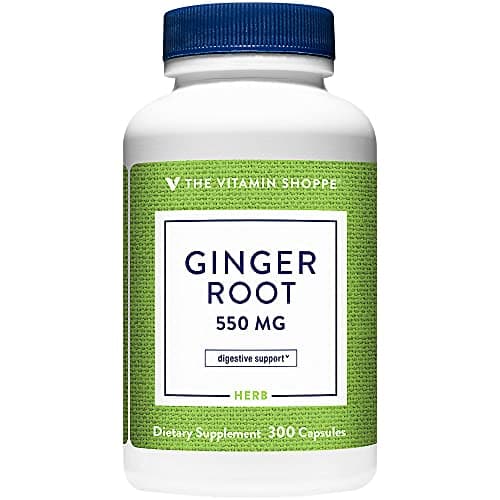
The Vitamin Shoppe Ginger Root 550MG
Cost per serving
$0.08
300 servings · ~300-day supply

TRIBE ORGANICS Boswellia Serrata Complex Supplement for Joint…
Cost per serving
$0.29
120 servings · ~120-day supply
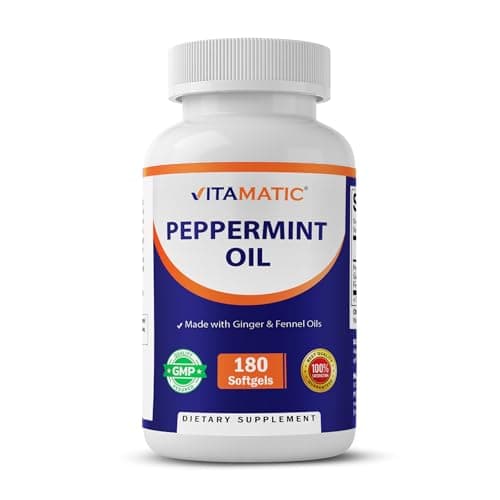
Vitamatic Peppermint Oil Gel with Ginger & Fennel Oils
Cost per serving
$0.08
180 servings · ~180-day supply

Viva Naturals Black Elderberry 1000mg with Vitamin C
Cost per serving
$0.30
60 servings · ~60-day supply
Related guides
Best anti-inflammatory supplements, by cost per clinical dose
The anti-inflammatory supplements with the best evidence, each with an honest clinical dose: omega-3 fish oil, curcumin, and ginger, compared by cost per effective dose.
Ubiquinol vs ubiquinone: which CoQ10 is worth it
Ubiquinol absorbs somewhat better, but it costs about 2.5x more per 100 mg than ubiquinone — a median $0.335 vs $0.133 across 55 listings we price. What that gap is worth, the dose, and the statin question.
P-5-P vs regular vitamin B6: is the active form worth it?
P-5-P costs about 2x more per 50 mg than plain pyridoxine — a median $0.146 vs $0.071 across 56 listings we price. Most healthy people convert plain B6 fine, so here is what the premium buys, and the safety ceiling that matters more than either form.
Beetroot vs citrulline: which for pumps, and which for endurance
Both raise nitric oxide, but by different routes and for different goals — beetroot has the endurance edge, citrulline is the gym-pump staple. Doses, the honest split, and cost per dose.