Fish oil: compare by cost per gram of EPA+DHA, not per softgel
Quick answer
Compare fish oil by cost per gram of combined EPA+DHA, not per softgel — a '1,000 mg fish oil' capsule may contain only ~300 mg of actual EPA+DHA; a common general-health target is ~250-500 mg/day EPA+DHA, higher (1-2 g+) for specific goals.
Alex Soto, Founder, VitaminDB
6 min readUpdated 7/31/2026 NIH-sourced
On this page
There's one honest way to compare fish oil: cost per gram of combined EPA+DHA — not price per softgel, and not the "1,000 mg fish oil" splashed on the front. That big number is the weight of the oil, not the amount of omega-3 that actually does anything. A 1,000 mg softgel might contain only ~300 mg of EPA+DHA, and concentration varies wildly between products, so the front-of-bottle number is close to meaningless for comparison.
Why "1,000 mg fish oil" tells you almost nothing
"1,000 mg fish oil" describes the total oil in the capsule. The part that matters is how much of that oil is EPA and DHA — the two omega-3s the research is built on. Because concentration ranges from low to high across brands, two bottles that both say "1,000 mg" and cost the same per softgel can differ two- or three-fold in real EPA+DHA. Buy on the front number and you can easily pay more for less omega-3.
Read the label in 30 seconds
Skip the front of the bottle and go to the supplement facts panel:
- Find EPA (mg per serving) and DHA (mg per serving).
- Add them — that combined number is your real omega-3 per serving.
- Note how many softgels make up that serving. "600 mg EPA+DHA" across three softgels is very different from one.
- Note servings per bottle so you can work out cost per dose.
If a label only advertises "omega-3" as a lump sum without breaking out EPA and DHA, be skeptical — that total can include other, less-studied omega-3s to pad the number.
One more buying tip beyond concentration: freshness matters. Fish oil can oxidize (go rancid), and a strong fishy smell or taste is the usual warning sign. Check the expiry date, and if softgels taste distinctly "off," that's a reason to return them rather than push through.
Why the EPA+DHA line on the label is the only one worth reading: the body converts very little ALA onward, so consuming EPA and DHA directly from foods and/or supplements is the only practical way to increase levels of these fatty acids in the body, per the NIH. The "1,000 mg fish oil" figure is the carrier, not the active.
How much EPA+DHA per day
A common general-health target is ~250-500 mg/day of combined EPA+DHA. For specific goals, higher intakes — often in the 1-2 g+ per day range — get discussed, but needs vary and this isn't a prescription. If you're managing a specific condition, that's a conversation with a clinician, not a label. Not medical advice.
Triglyceride vs ethyl ester
Fish oil comes in two main chemical forms:
- Re-esterified triglyceride (rTG) — often described as absorbing somewhat better; usually costs more.
- Ethyl ester (EE) — typically cheaper; still delivers EPA and DHA.
Both work. For most people the practical difference is modest, so it's a tiebreaker, not the deciding factor. Sort by cost per gram of EPA+DHA first, then let form break a close call.
Compare by cost per gram of EPA+DHA
Here's the calculation that actually protects your wallet:
- From the label, get combined EPA+DHA per serving (in mg).
- Multiply by servings per bottle to get total mg of EPA+DHA, then divide by 1,000 for grams.
- Divide the bottle price by that number of grams.
- Compare that cost-per-gram figure across products.
A concentrated fish oil that looks pricey per bottle often wins once you divide by the real omega-3 it delivers — and a "cheap" low-concentration one can be the worse deal per gram. See current cost-per-dose picks on best-value fish oil and the fish oil hub. If you're weighing fish oil against krill, see fish oil vs krill oil cost. We rank by cost per effective dose, not sticker price (methodology).
Bottom line
Don't buy fish oil by the softgel or the "1,000 mg" headline. Add the EPA and DHA on the panel, aim for ~250-500 mg/day for general health (more for specific goals), and compare products by cost per gram of actual EPA+DHA. That single habit usually finds the same omega-3 for meaningfully less.
Covered nutrients: Fish Oil, Omega-3 EPA/DHA
See the live cost-per-dose data
This guide is editorial — the prices below are real and current.
Frequently asked questions
How much EPA and DHA per day?
A common general-health target is roughly 250-500 mg/day of combined EPA+DHA, with higher intakes (around 1-2 g+ per day) discussed for specific goals. These are general reference ranges, and needs vary — check with a clinician for a specific condition. Not medical advice.
Why is cost per softgel misleading?
Because a softgel's total fish-oil weight isn't the amount of omega-3. A '1,000 mg fish oil' capsule may contain only around 300 mg of actual EPA+DHA, and concentration varies widely between products. Two bottles at the same per-softgel price can differ two- or three-fold in real omega-3, so cost per gram of EPA+DHA is the only fair comparison.
How do I read a fish oil label?
Ignore the big '1,000 mg fish oil' number on the front. On the supplement facts panel, find the EPA milligrams and DHA milligrams per serving, add them, and note how many softgels make up that serving. That combined EPA+DHA figure is what actually matters.
Triglyceride vs ethyl ester — does the form matter?
Both deliver EPA and DHA. The re-esterified triglyceride (rTG) form is often described as absorbing somewhat better, while ethyl ester (EE) is typically cheaper. For most people the practical difference is modest — decide on cost per gram of EPA+DHA first, and treat form as a tiebreaker. Not medical advice.
Where these numbers come from
Cost figures on this page are computed from 89 active Fish Oil / Omega-3 EPA/DHA listings we track, last re-priced . Cost per dose is price ÷ (servings × dose), computed per listing — not a price we are quoted. Listings under $1 or with fewer than 3 servings are excluded, because both are usually a parse error rather than a bargain.
- Amazon.com · 87
- SuperSmart · 2
Prices move. Figures written into the text are re-checked against live data on a schedule; the ranking pages are always the current number.
Sources
Health claims on this page are drawn from these sources. Prices and cost-per-dose figures come from our own tracked listings, not from the sources below.
- 1.Omega-3 Fatty Acids: Fact Sheet for Health Professionals — NIH Office of Dietary Supplements
Deals on these nutrients
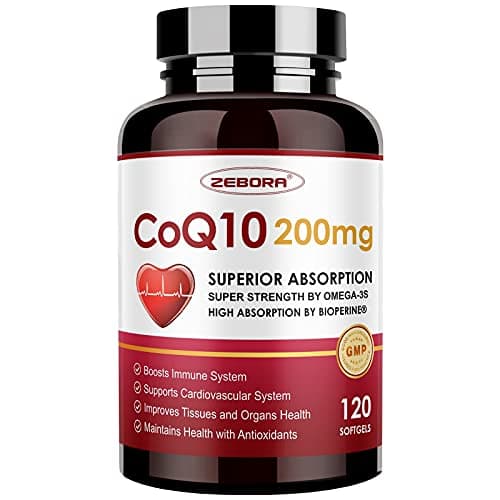
ZEBORA CoQ10-200mg-Softgels with PQQ
Cost per serving
$0.18
120 servings · ~120-day supply

Micro Ingredients Triple Strength Omega 3 Fish Oil Supplements…
Cost per serving
$0.14
240 servings · ~240-day supply

GNC Triple Strength Fish Oil, 1000mg EPA & DHA, 60 Softgels
Cost per serving
$0.63
60 servings · ~60-day supply

InnovixLabs Triple Strength Omega 3 Fish Oil 900 mg EPA DHA…
Cost per serving
$0.25
200 servings · ~200-day supply
Related guides
Turmeric vs fish oil: which for inflammation, joints, and heart
Both support a healthy inflammatory response — by different mechanisms, so they aren't interchangeable. Fish oil leans cardiovascular and general; curcumin leans joints. Doses and cost per dose.
Best anti-inflammatory supplements, by cost per clinical dose
The anti-inflammatory supplements with the best evidence, each with an honest clinical dose: omega-3 fish oil, curcumin, and ginger, compared by cost per effective dose.
Fish oil vs krill oil: the real cost per gram of EPA + DHA
Krill oil is marketed as the premium omega-3 — and it's often priced like it, several times more per gram of EPA + DHA. Once you count the actual omega-3s delivered per dollar, plain fish oil usually wins on value by a wide margin.
The Full GLP-1 Supplement Stack: What to Take & Cost Per Day
A cost-per-dose companion supplement stack for GLP-1 users (Ozempic/Mounjaro): protein, vitamin D, magnesium, B12, omega-3 — and the full daily cost.