Grape seed extract: OPC dose, benefits, and cost
Quick answer
Grape seed extract is studied at about 100-300 mg/day of a standardized extract, so compare products by cost per standardized dose and check the proanthocyanidin percentage.
Alex Soto, Founder, VitaminDB
6 min readUpdated 8/1/2026 NIH-sourced
On this page
Grape seed extract is studied at about 100-300 mg/day of a standardized extract — often standardized to ~95% proanthocyanidins (OPCs) — so the honest way to buy it is by cost per standardized dose, with the proanthocyanidin percentage as the label detail that matters. It's studied mainly for circulation and blood pressure, where the evidence is preliminary but among the more promising for this class of antioxidant.
We sell nothing. We rank grape seed extract by cost per dose.
What grape seed extract is
Grape seed extract (GSE) is made from the seeds of grapes and is rich in OPCs — oligomeric proanthocyanidins, a family of antioxidant plant compounds. OPCs are the reason the extract is studied at all, which is why good products state a standardization: a percentage telling you how much of the extract is actually proanthocyanidins.
You'll commonly see extracts standardized to around 95% proanthocyanidins. That number is the key to comparing products, because a "500 mg" capsule of weakly standardized material can contain far less of the active compound than a smaller, well-standardized dose.
What the evidence actually says
Here's the honest framing. Grape seed extract is studied mainly for:
- Circulation
- Blood pressure
- Vein and leg-swelling support — including chronic venous insufficiency (the heavy, swollen-leg condition from poor vein return)
The evidence is preliminary — not a settled, large-trial consensus — but it's among the more promising areas for OPC antioxidants, which is a fair thing to say without overselling it. Treat the benefits as plausible rather than proven, and not a substitute for medical treatment of a diagnosed condition. If you have high blood pressure or a vein problem, that's a reason to see a clinician, not just to buy a supplement. None of this is medical advice.
The dose: about 100-300 mg/day, standardized
A common studied range is about 100-300 mg per day of a standardized extract. Two points to hold onto:
- The dose only means something relative to the standardization. "200 mg of extract standardized to ~95% proanthocyanidins" is a meaningfully different product from "200 mg of unspecified extract."
- This is the studied range, not a guarantee of results for any individual — the right amount depends on your situation and is best confirmed with a clinician.
When comparing labels, read the mg and the standardization together; one without the other doesn't tell you much.
Safety and the blood-thinning caution
NCCIH's summary is short: grape seed extract is generally well tolerated when taken orally or used topically, and little is known about whether it is safe during pregnancy or breastfeeding.
Grape seed extract is generally well tolerated. The main thing to flag is that it may have a mild blood-thinning effect:
- Be cautious combining it with anticoagulant medication (blood thinners) — the effects could add up.
- Consider stopping it before surgery or other procedures, per your clinician's guidance, because of bleeding risk.
- If you take medications or have a bleeding-related condition, check with a clinician before starting.
For most healthy people it's low-risk, but the blood-thinning point is the one worth taking seriously. Not medical advice.
How to compare grape seed extract by cost
Because standardization varies, price per bottle is misleading — a cheap bottle can be weakly standardized and deliver little OPC. Normalize to the standardized dose:
- Check the proanthocyanidin standardization (for example ~95% OPCs).
- Find the mg per serving and count the servings per bottle.
- Cost per dose = price ÷ servings — while making sure you're comparing similar standardized amounts.
That way a well-standardized 150 mg product and a vague 500 mg one line up on equal terms, and the "bigger number" bottle often turns out to be the worse deal.
Our best grape seed extract by cost per dose page ranks products cheapest-first; browse listings on the grape seed extract nutrient page, and see how we normalize doses and servings in our methodology.
Bottom line
- Grape seed extract is rich in OPCs (proanthocyanidins), antioxidant compounds.
- It's studied mainly for circulation, blood pressure, and vein/leg-swelling support; evidence is preliminary but among the more promising for OPCs.
- Studied dose is about 100-300 mg/day of a standardized extract (often ~95% proanthocyanidins).
- Generally well tolerated, but may have a mild blood-thinning effect — caution with anticoagulants and around surgery.
- Buy on cost per standardized dose, not per bottle — the proanthocyanidin percentage is the label detail that matters.
Read the standardization, mind the blood-thinning caution, and price it per standardized dose. This is general information, not medical advice.
Covered nutrients: Grape seed extract
See the live cost-per-dose data
This guide is editorial — the prices below are real and current.
Frequently asked questions
How much grape seed extract should I take per day?
A common studied range is about 100-300 mg per day of a standardized extract — often standardized to around 95% proanthocyanidins (OPCs). That's the studied range rather than a guarantee for any individual, and the right amount depends on your situation, so confirm it with a clinician. Not medical advice.
What is grape seed extract good for?
It's studied mainly for circulation, blood pressure, and vein or leg-swelling support (chronic venous insufficiency). The evidence is preliminary, though it's among the more promising areas for OPC antioxidants. Treat the benefits as plausible rather than proven, and not a replacement for medical care. Not medical advice.
Can I take grape seed extract with blood thinners?
Be cautious. Grape seed extract may have a mild blood-thinning effect, so combining it with anticoagulant medication, or taking it around surgery, could add up. Talk to a clinician before combining it with blood thinners or before any procedure. Not medical advice.
How do I compare grape seed extract products on cost?
Compare cost per standardized dose, not price per bottle. Check the proanthocyanidin standardization (for example ~95% OPCs) and the mg per serving, count servings per bottle, and divide price by servings — making sure you're comparing similar standardized amounts.
Where these numbers come from
Cost figures on this page are computed from 45 active Grape seed extract listings we track, last re-priced . Cost per dose is price ÷ (servings × dose), computed per listing — not a price we are quoted. Listings under $1 or with fewer than 3 servings are excluded, because both are usually a parse error rather than a bargain.
- Amazon.com · 45
Prices move. Figures written into the text are re-checked against live data on a schedule; the ranking pages are always the current number.
Sources
Health claims on this page are drawn from these sources. Prices and cost-per-dose figures come from our own tracked listings, not from the sources below.
- 1.Grape Seed Extract — NIH National Center for Complementary and Integrative Health
Deals on these nutrients
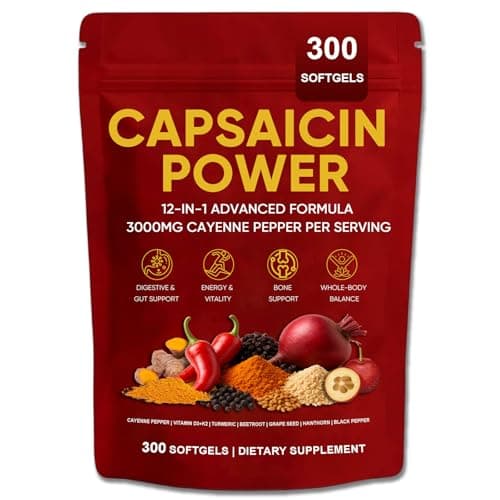
GXSAE Capsaicin Power - Cayenne Pepper Softgels Supplement
Cost per serving
$0.11
300 servings · ~300-day supply
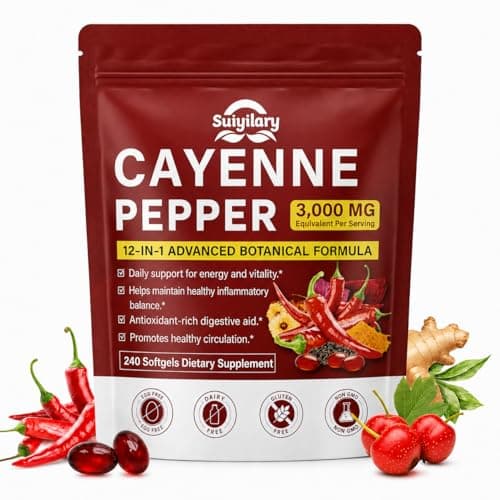
Cayenne Pepper Softgels Capsules
Cost per serving
$0.09
240 servings · ~240-day supply
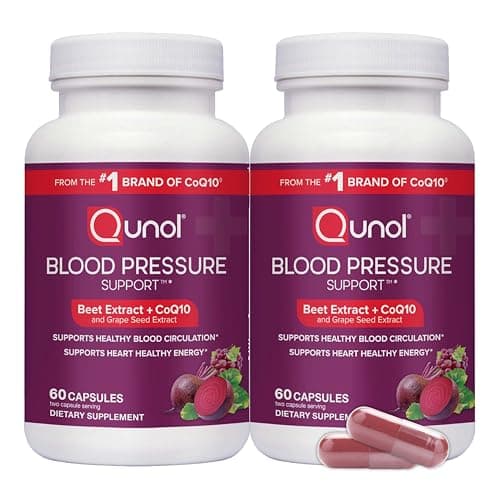
Qunol Blood Pressure Support
Cost per serving
$0.15
240 servings · ~240-day supply
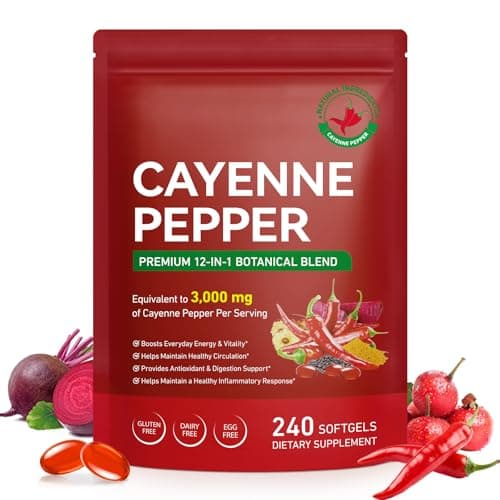
Cayenne Pepper Softgels Supplement
Cost per serving
$0.07
240 servings · ~240-day supply
Related guides
Ubiquinol vs ubiquinone: which CoQ10 is worth it
Ubiquinol absorbs somewhat better, but it costs about 2.5x more per 100 mg than ubiquinone — a median $0.335 vs $0.133 across 55 listings we price. What that gap is worth, the dose, and the statin question.
P-5-P vs regular vitamin B6: is the active form worth it?
P-5-P costs about 2x more per 50 mg than plain pyridoxine — a median $0.146 vs $0.071 across 56 listings we price. Most healthy people convert plain B6 fine, so here is what the premium buys, and the safety ceiling that matters more than either form.
Beetroot vs citrulline: which for pumps, and which for endurance
Both raise nitric oxide, but by different routes and for different goals — beetroot has the endurance edge, citrulline is the gym-pump staple. Doses, the honest split, and cost per dose.
Beta-alanine: dose, the tingling, and what it actually does
Beta-alanine buffers muscle acid to extend high-intensity efforts in the 1–4 minute range. It works by loading over weeks, not as a pre-workout kick. Real dose, why it tingles, and cost per serving.