Inositol: myo vs D-chiro, the 40:1 ratio, and the PCOS dose
Quick answer
Myo-inositol is the better-studied, default form — commonly 4 g/day for PCOS and insulin sensitivity, and higher doses for mood. D-chiro-inositol is used with it in a 40:1 (myo:D-chiro) ratio that mirrors the body; high-dose D-chiro alone isn't recommended for ovarian function. Buy myo-inositol or a 40:1 blend and compare cost per dose.
Alex Soto, Founder, VitaminDB
6 min readUpdated 7/31/2026 NIH-sourced
Myo-inositol
default
D-chiro-inositol
paired, not solo
Research base
Typical use
Solo high dose
Best buy
Verdict: Myo-inositol is the form behind most PCOS and insulin research and is the safer default at ~4 g/day. D-chiro-inositol is best used alongside it in the physiological 40:1 (myo:D-chiro) ratio — high-dose D-chiro on its own may harm egg quality (the 'D-chiro paradox'). Not medical advice.
On this page
Inositol is one of the few supplements with a genuinely useful evidence base for PCOS and insulin sensitivity — but only if you buy the right form. The two you'll see are myo-inositol and D-chiro-inositol, and they are not interchangeable.
Two forms, one that does most of the work
Both are naturally occurring forms of inositol (a sugar alcohol your body also makes). The distinction that matters:
- Myo-inositol (MI) is the far better-studied form and the default choice. It's what most PCOS, fertility, and insulin-sensitivity trials use — commonly at 4 g/day.
- D-chiro-inositol (DCI) has a smaller evidence base and is best used alongside myo-inositol, not on its own.
The 40:1 ratio
Healthy human plasma contains myo- and D-chiro-inositol in roughly a 40:1 ratio. A lot of PCOS research and many supplements deliberately match that ratio, on the logic that mirroring the body's own balance works better than flooding it with D-chiro.
This matters because of the "D-chiro paradox": high-dose D-chiro-inositol alone has been associated with poorer egg/ovarian quality. So more D-chiro is not better — it's specifically why DCI belongs as the small partner in a 40:1 blend, not as the headline ingredient. If a product leads with a big D-chiro dose, that's a red flag, not a premium.
Set expectations with the review that informed the 2023 international PCOS guideline: the evidence supporting the use of inositol in the management of PCOS is limited and inconclusive, and clinicians are advised to weigh that uncertainty with the patient rather than treat inositol as established therapy.
The dose
- PCOS / insulin sensitivity: ~4 g/day of myo-inositol (or a 40:1 myo:D-chiro blend), usually split into two doses. Effects build over weeks, not days.
- Mood (anxiety, OCD): studied at much higher doses (12–18 g/day) — a different use case, discuss with a clinician.
Myo-inositol is a tasteless powder that dissolves in water, which is often cheaper per gram than capsules at these doses.
How to buy without overpaying
Because the effective dose is large (grams, not milligrams), form and cost per gram decide value:
- Choose myo-inositol alone or a 40:1 myo:D-chiro blend.
- Avoid products built around high-dose D-chiro.
- At 4 g/day, powder is usually far cheaper than capsules — check the cost per gram.
Current picks are on the inositol hub (methodology).
Bottom line
Buy myo-inositol (or a 40:1 myo:D-chiro blend), dose it around 4 g/day for PCOS and insulin sensitivity, and don't chase high-dose D-chiro on its own. At gram doses, powder usually wins on cost per gram. This is general information, not medical advice.
Covered nutrients: Inositol
See the live cost-per-dose data
This guide is editorial — the prices below are real and current.
Frequently asked questions
Is myo-inositol or D-chiro-inositol better for PCOS?
Most PCOS research uses myo-inositol, typically around 4 g/day, or a 40:1 ratio of myo to D-chiro-inositol that mirrors the body's natural balance. Myo-inositol is the default; D-chiro is used as the minor partner, not on its own at high doses. This is general information, not medical advice.
What is the 40:1 inositol ratio?
It's 40 parts myo-inositol to 1 part D-chiro-inositol — roughly the ratio found in healthy human plasma. Many PCOS supplements use it because trials suggest matching the body's physiological balance works better than large amounts of D-chiro alone.
How much inositol should I take?
For PCOS and insulin sensitivity, studies commonly use about 4 g of myo-inositol per day (often split into two doses). Higher doses (12–18 g) have been studied for anxiety and OCD. Effects build over weeks. Not medical advice.
Why not just take D-chiro-inositol on its own?
Because high-dose D-chiro-inositol alone has been linked to worse egg/ovarian quality — sometimes called the "D-chiro paradox." That's why it's used as the small partner in a 40:1 blend rather than as the main ingredient. Discuss with a clinician if you have PCOS.
Where these numbers come from
Cost figures on this page are computed from 30 active Inositol listings we track, last re-priced . Cost per dose is price ÷ (servings × dose), computed per listing — not a price we are quoted. Listings under $1 or with fewer than 3 servings are excluded, because both are usually a parse error rather than a bargain.
- Amazon.com · 30
Prices move. Figures written into the text are re-checked against live data on a schedule; the ranking pages are always the current number.
Sources
Health claims on this page are drawn from these sources. Prices and cost-per-dose figures come from our own tracked listings, not from the sources below.
- 1.Inositol for Polycystic Ovary Syndrome: A Systematic Review and Meta-analysis to Inform the 2023 Update of the International Evidence-based PCOS Guidelines — PubMed Central, NIH National Library of Medicine
Deals on these nutrients
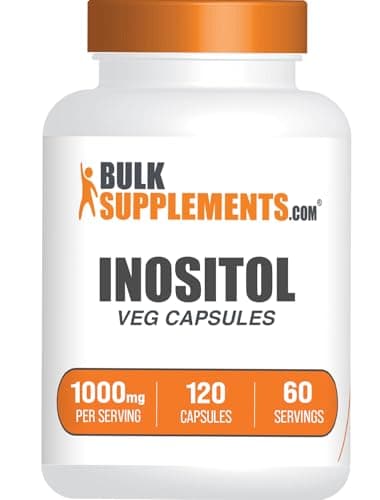
BulkSupplements.com Inositol Capsules - Vitamin B8, Inositol…
Cost per serving
$0.30
60 servings · ~60-day supply

Neurobiologix D-Chiro Inositol 500 MG
Cost per serving
$1.06
60 servings · ~60-day supply
Sundance Niacin 500mg Flush Free | 50 Capsules | Essential…
Cost per serving
$0.17
50 servings · ~50-day supply

Resilia Milk Thistle Silymarin – 300 mg Supplement…
Cost per serving
$0.40
30 servings · ~30-day supply
Related guides
Ubiquinol vs ubiquinone: which CoQ10 is worth it
Ubiquinol absorbs somewhat better, but it costs about 2.5x more per 100 mg than ubiquinone — a median $0.335 vs $0.133 across 55 listings we price. What that gap is worth, the dose, and the statin question.
P-5-P vs regular vitamin B6: is the active form worth it?
P-5-P costs about 2x more per 50 mg than plain pyridoxine — a median $0.146 vs $0.071 across 56 listings we price. Most healthy people convert plain B6 fine, so here is what the premium buys, and the safety ceiling that matters more than either form.
Beetroot vs citrulline: which for pumps, and which for endurance
Both raise nitric oxide, but by different routes and for different goals — beetroot has the endurance edge, citrulline is the gym-pump staple. Doses, the honest split, and cost per dose.
Beta-alanine: dose, the tingling, and what it actually does
Beta-alanine buffers muscle acid to extend high-intensity efforts in the 1–4 minute range. It works by loading over weeks, not as a pre-workout kick. Real dose, why it tingles, and cost per serving.