Keratin Supplements for Hair and Nails: What the Evidence Actually Shows
Quick answer
The evidence for oral keratin supplements rests on a single small trial (50 women, 90 days) that was funded by the company that makes the ingredient, and has not been independently repeated. That trial reported less hair loss and harder nails, but the product tested was keratin combined with biotin, zinc and other vitamins — so any benefit cannot be pinned on keratin itself. If you want to try it, the studied amount was about 500 mg of keratin a day; compare products by cost per that dose rather than by bottle price, and know that the biotin most keratin blends contain can interfere with some lab blood tests. This is general information, not medical advice.
Alex Soto, Founder, VitaminDB
6 min readUpdated 7/14/2026 NIH-sourced
On this page
Keratin is the structural protein your hair and nails are actually made of, which makes "take keratin to strengthen them" sound obvious. It isn't. Swallowed keratin is digested into amino acids like any other protein, not shuttled intact to your follicles, so the interesting question is whether a processed, solubilized form does anything measurable. This guide lays out exactly what the evidence says, who paid for it, and how to compare products by cost per dose if you decide to try one.
We sell nothing and take no position on whether you should buy keratin. We rank it by cost per dose like every other supplement.
What the evidence actually is — one trial, and who funded it
Almost every marketing claim for oral keratin traces back to a single study: a 90-day trial of Cynatine HNS in 50 women, published in 2014. Half took the supplement, half a placebo. The paper reported statistically significant results — roughly a 46% reduction in hair loss by day 90, plus improved hair strength and nail hardness — and concluded the supplement was "effective."
Here is the part the ads leave out. The study was funded by Roxlor Global, the company that makes the Cynatine ingredient, which also supplied all the materials, and one of its authors was Roxlor's general manager. That does not automatically make the results wrong, but a single small trial run by the ingredient's manufacturer, with no independent replication in the decade since, is the weakest tier of evidence a supplement can stand on. There is no NIH, NCCIH or MedlinePlus assessment of oral keratin to weigh against it.
The product isn't keratin — it's a keratin blend
There is a second, quieter problem with attributing anything to keratin. The capsules used in that trial weren't keratin alone: each also contained biotin, zinc, niacin, copper, vitamin B6 and pantothenic acid. Those are the same nutrients marketed independently for hair and nails. So even taking the trial at face value, there is no way to know whether an effect came from the keratin or from the vitamin-and-mineral stack wrapped around it.
When you shop, most "keratin" hair-skin-nail products are built this way — keratin is the headline, but the label is a blend. That's not necromancy; it's just worth knowing you're buying a formula, not a single active.
The biotin catch that actually matters
If you take one practical thing from this page, take this one, because it's a safety issue rather than a marketing one. The high-dose biotin in most keratin blends can interfere with certain laboratory blood tests — including some thyroid tests and the troponin test used to help diagnose heart attacks — and produce falsely high or low results. The FDA has warned about this. If you take a keratin or biotin hair supplement, tell your doctor before any blood work so they can account for it. In the one keratin trial, no serious side effects were reported, but there is no long-term safety data.
How to compare keratin by cost per dose
If, knowing all of the above, you still want to try keratin, the money question is simple and the label makes it deliberately hard: what does the studied dose cost you per day?
The trial used about 500 mg of keratin per day. Bottles differ in how many milligrams they put in a serving and how many servings they hold, so the sticker price tells you almost nothing until you divide it down. A larger bottle at a higher shelf price is frequently cheaper per 500 mg dose than a small "premium" one. Two quick steps:
- Cost per serving = bottle price ÷ servings per container (the servings figure is on the Supplement Facts panel).
- Cost per studied dose = adjust for how many milligrams of keratin a serving actually delivers versus 500 mg.
We do this math for every product on our best keratin by cost per dose page, ranked cheapest-first, so you can see where the value sits today without trusting a bottle's front label. Because prices move, we link to the live ranking rather than name a product here.
The honest bottom line
Oral keratin is one of the weakest-evidenced supplements in the hair-and-nails aisle: one small manufacturer-funded trial, no independent replication, and a formula that muddies whether keratin is even the active ingredient. That doesn't make it a scam — some people will want to try it anyway — but it does mean you should pay a value-brand price, not a premium one, and you should know about the biotin lab-test issue before you do. If your goal is hair and nails on a budget, the ordinary nutrients with a clearer evidence base (correcting a real deficiency of iron, vitamin D or biotin) are worth understanding first; our hair, skin and nails hub compares the whole aisle by cost per dose.
This is general information, not medical advice — talk to a clinician before starting, stopping or changing any supplement, and especially before blood tests if you take biotin.
Covered nutrients: Keratin
See the live cost-per-dose data
This guide is editorial — the prices below are real and current.
Frequently asked questions
Do keratin supplements actually work for hair and nails?
The honest answer is that we don't really know. The claim rests on one small trial of 50 women over 90 days, funded by the company that makes the keratin ingredient and co-authored by its general manager, with no independent study to confirm it. That trial reported improvements, but the supplement tested was keratin plus biotin, zinc and other vitamins, so the effect can't be attributed to keratin alone. Treat the marketing claims as unproven.
How much keratin is a studied dose, and what should it cost?
The single trial used about 500 mg of solubilized keratin (Cynatine HNS) per day, split into two capsules. Because a "serving" and a bottle size vary between brands, the fair way to compare is cost per that 500 mg dose rather than the sticker price — a bigger, cheaper-per-dose bottle often wins. Our ranked keratin page sorts products that way.
Is there a downside to keratin hair-and-nail supplements?
Beyond the weak evidence, the practical one is biotin. Most keratin hair-skin-nail blends include high-dose biotin, and biotin can interfere with certain lab blood tests — including some thyroid and heart (troponin) tests — causing false results. If you take one, tell your doctor before any blood work. No serious side effects were reported in the one short trial, but there is no long-term safety data.
Where these numbers come from
Cost figures on this page are computed from 6 active Keratin listings we track, last re-priced . Cost per dose is price ÷ (servings × dose), computed per listing — not a price we are quoted. Listings under $1 or with fewer than 3 servings are excluded, because both are usually a parse error rather than a bargain.
- Amazon.com · 6
Prices move. Figures written into the text are re-checked against live data on a schedule; the ranking pages are always the current number.
Sources
Health claims on this page are drawn from these sources. Prices and cost-per-dose figures come from our own tracked listings, not from the sources below.
- 1.A Clinical Trial to Investigate the Effect of Cynatine HNS on Hair and Nail Parameters — PubMed Central, NIH National Library of Medicine
Deals on these nutrients
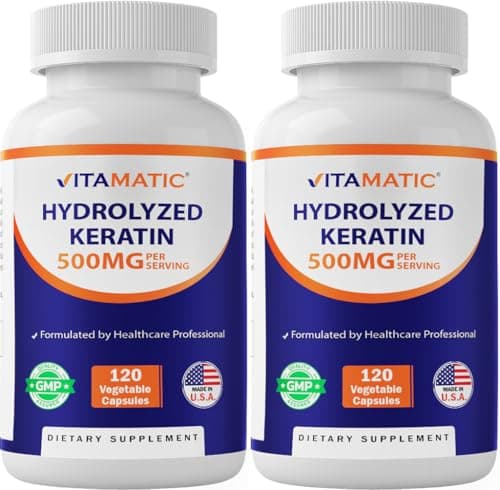
Vitamatic Hydrolyzed Keratin 500mg per Serving…
Cost per serving
$0.11
240 servings · ~240-day supply
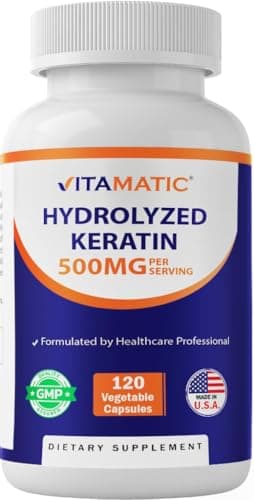
Vitamatic Hydrolyzed Keratin 500mg per Serving…
Cost per serving
$0.12
120 servings · ~120-day supply
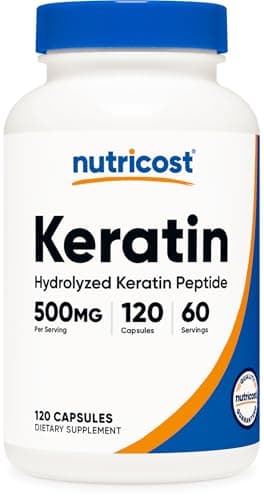
Nutricost Keratin Hydrolized Peptide Capsules - 500MG
Cost per serving
$0.25
60 servings · ~60-day supply
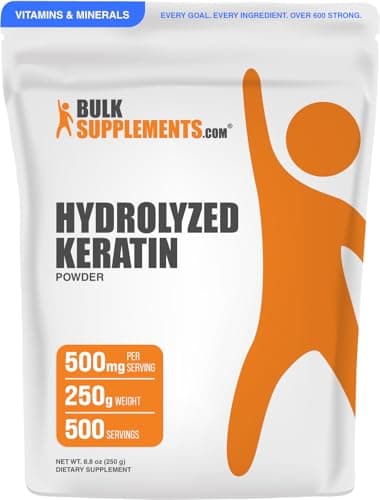
BulkSupplements.com Hydrolyzed Keratin Powder - Gluten Free
Cost per serving
$0.06
500 servings · ~500-day supply
Related guides
Ubiquinol vs ubiquinone: which CoQ10 is worth it
Ubiquinol absorbs somewhat better, but it costs about 2.5x more per 100 mg than ubiquinone — a median $0.335 vs $0.133 across 55 listings we price. What that gap is worth, the dose, and the statin question.
P-5-P vs regular vitamin B6: is the active form worth it?
P-5-P costs about 2x more per 50 mg than plain pyridoxine — a median $0.146 vs $0.071 across 56 listings we price. Most healthy people convert plain B6 fine, so here is what the premium buys, and the safety ceiling that matters more than either form.
Beetroot vs citrulline: which for pumps, and which for endurance
Both raise nitric oxide, but by different routes and for different goals — beetroot has the endurance edge, citrulline is the gym-pump staple. Doses, the honest split, and cost per dose.
Beta-alanine: dose, the tingling, and what it actually does
Beta-alanine buffers muscle acid to extend high-intensity efforts in the 1–4 minute range. It works by loading over weeks, not as a pre-workout kick. Real dose, why it tingles, and cost per serving.