L-carnitine forms: tartrate vs acetyl (ALCAR), and which to buy
Quick answer
L-carnitine tartrate (LCLT) is the form used in most exercise and recovery research; acetyl-L-carnitine (ALCAR) crosses the blood–brain barrier and is studied for cognition, mood, and nerve health. It's the same core molecule doing different jobs — match the form to your goal, then compare cost per gram of carnitine.
Alex Soto, Founder, VitaminDB
6 min readUpdated 7/31/2026 NIH-sourced
L-carnitine tartrate
muscle / recovery
Acetyl-L-carnitine
brain / nerve
Best for
Crosses into brain
Typical dose
Cost per gram of carnitine
Verdict: Neither is better overall — they target different things. Pick L-carnitine tartrate (LCLT) for exercise, recovery, and general carnitine repletion; pick acetyl-L-carnitine (ALCAR) if the goal is cognition, mood, or nerve support, since the acetyl group helps it reach the brain. Then compare cost per gram of carnitine. Not medical advice.
On this page
L-carnitine is sold in several forms, and the marketing blurs them together — but the form you pick should follow your goal, because they behave differently in the body.
Same core molecule, different jobs
Carnitine's job is shuttling fatty acids into your cells' mitochondria to be burned for energy. The supplement forms all deliver carnitine, but with different destinations:
- L-carnitine tartrate (LCLT) — L-carnitine bound to tartaric acid for stability. This is the form in most exercise, recovery, and performance research, and the general-purpose choice for repletion.
- Acetyl-L-carnitine (ALCAR) — carnitine with an acetyl group attached. That group helps it cross the blood–brain barrier, which is why ALCAR is the form studied for cognition, mood, and nerve health (including diabetic neuropathy).
- Propionyl-L-carnitine (PLCAR) — a niche form studied more for circulation/cardiovascular contexts.
Match the form to the goal
- Training, recovery, everyday carnitine → L-carnitine tartrate.
- Brain, focus, mood, nerve support → acetyl-L-carnitine (ALCAR).
- Circulation-specific → propionyl-L-carnitine (less common, discuss with a clinician).
One honest caveat: carnitine's reputation as a fat burner is overstated. It supports fat metabolism, but the standalone weight-loss evidence is weak. Buy it for performance or the specific use above, not for the "burns fat" promise.
The dose
- L-carnitine tartrate: ~1–2 g/day.
- ALCAR: ~0.5–2 g/day.
Different forms contain different fractions of actual carnitine by weight (the tartrate and acetyl portions add mass), so a "1,000 mg" capsule of one form doesn't equal 1,000 mg of another.
Context for where carnitine supplementation is genuinely established: it is the treatment for carnitine deficiency, which is either primary, from an inherited defect in carnitine transport, or secondary to other conditions — a clinical diagnosis, not a training goal. Everything on the sports shelf sits outside that indication.
How to buy without overpaying
Because the forms differ in carnitine content, compare on cost per gram of carnitine, not per capsule:
- Pick the form that matches your goal first.
- Then compare cost per gram — tartrate is usually the cheaper route to plain carnitine; ALCAR carries a premium for its brain-directed delivery.
Current picks are on the L-carnitine hub (methodology).
Bottom line
It's one molecule with two main jobs: tartrate for muscle and recovery, ALCAR for brain and nerves. Match the form to your goal, ignore the fat-burner hype, dose ~1–2 g/day, and compare on cost per gram of carnitine. This is general information, not medical advice.
Covered nutrients: L-Carnitine
See the live cost-per-dose data
This guide is editorial — the prices below are real and current.
Frequently asked questions
What's the difference between L-carnitine tartrate and acetyl-L-carnitine?
They deliver the same core carnitine but are built for different jobs. L-carnitine tartrate (LCLT) is the form in most exercise and recovery research. Acetyl-L-carnitine (ALCAR) has an acetyl group that helps it cross the blood–brain barrier, so it's the form studied for cognition, mood, and nerve health. This is general information, not medical advice.
Which L-carnitine is best for weight loss or workouts?
For exercise, recovery, and general use, L-carnitine tartrate (LCLT) is the most-studied form. Note that carnitine's evidence for fat loss on its own is weak — it supports fat metabolism but isn't a fat burner. Match it to training, not to weight-loss marketing. Not medical advice.
Which form is best for brain and focus?
Acetyl-L-carnitine (ALCAR). The acetyl group improves its ability to reach the brain, which is why it's the form used in cognition, mood, and nerve-health research.
How much L-carnitine should I take?
Typical supplement doses run about 1–2 g/day for L-carnitine tartrate and 0.5–2 g/day for ALCAR. Because different forms contain different amounts of actual carnitine, compare products on cost per gram of carnitine, not per capsule. Not medical advice.
Where these numbers come from
Cost figures on this page are computed from 43 active L-Carnitine listings we track, last re-priced . Cost per dose is price ÷ (servings × dose), computed per listing — not a price we are quoted. Listings under $1 or with fewer than 3 servings are excluded, because both are usually a parse error rather than a bargain.
- Amazon.com · 42
- SuperSmart · 1
Prices move. Figures written into the text are re-checked against live data on a schedule; the ranking pages are always the current number.
Sources
Health claims on this page are drawn from these sources. Prices and cost-per-dose figures come from our own tracked listings, not from the sources below.
- 1.Carnitine Deficiency — StatPearls, NCBI Bookshelf
Deals on these nutrients

Huge Supplements Liquid L-Carnitine 3000, Superior Potency…
Cost per serving
$0.75
60 servings · ~60-day supply
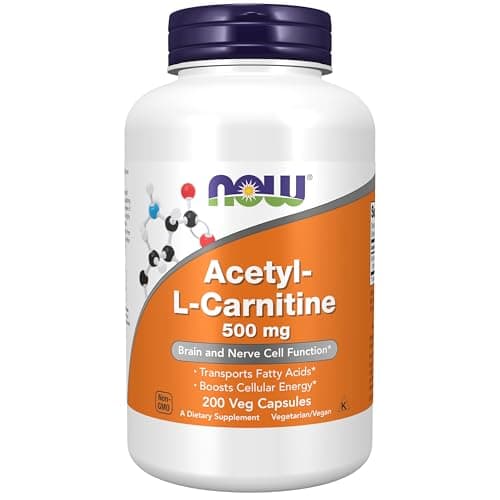
NOW Foods Supplements, Acetyl-L Carnitine 500 mg, Amino Acid…
Cost per serving
$0.14
200 servings · ~200-day supply
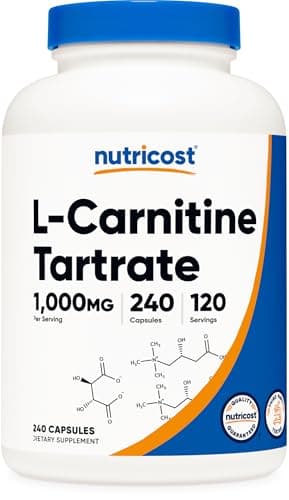
Nutricost L-Carnitine Tartrate 1,000mg
Cost per serving
$0.17
120 servings · ~120-day supply

Horbäach Acetyl L-Carnitine 1500mg | 200 Capsules | Extra…
Cost per serving
$0.10
200 servings · ~200-day supply
Related guides
Ubiquinol vs ubiquinone: which CoQ10 is worth it
Ubiquinol absorbs somewhat better, but it costs about 2.5x more per 100 mg than ubiquinone — a median $0.335 vs $0.133 across 55 listings we price. What that gap is worth, the dose, and the statin question.
P-5-P vs regular vitamin B6: is the active form worth it?
P-5-P costs about 2x more per 50 mg than plain pyridoxine — a median $0.146 vs $0.071 across 56 listings we price. Most healthy people convert plain B6 fine, so here is what the premium buys, and the safety ceiling that matters more than either form.
Beetroot vs citrulline: which for pumps, and which for endurance
Both raise nitric oxide, but by different routes and for different goals — beetroot has the endurance edge, citrulline is the gym-pump staple. Doses, the honest split, and cost per dose.
Beta-alanine: dose, the tingling, and what it actually does
Beta-alanine buffers muscle acid to extend high-intensity efforts in the 1–4 minute range. It works by loading over weeks, not as a pre-workout kick. Real dose, why it tingles, and cost per serving.