L-theanine: what it actually does, the dose, and the caffeine combo
Quick answer
L-theanine's most consistent effect is calm, alert focus — especially combined with caffeine, where the pairing improves attention while blunting the jittery edge. Studied doses run 100–200 mg; it's non-sedating, so it doesn't make you sleepy on its own.
Alex Soto, Founder, VitaminDB
6 min readUpdated 7/31/2026 NIH-sourced
L-theanine is the amino acid that gives green tea its calming character — the reason a cup of tea feels different from the same caffeine in coffee. As a supplement it's marketed for "calm focus," and unusually for the category, that claim lines up reasonably well with what the research shows.
What the evidence actually supports
The strongest, most repeated finding isn't dramatic, but it's real: L-theanine promotes a state of relaxed alertness. It's the combination with caffeine that stands out — multiple trials show caffeine + L-theanine together improve attention and task-switching better than caffeine alone, while the theanine blunts caffeine's jittery, anxious edge.
On its own, L-theanine has modest evidence for lowering acute stress and stress-related measures. Evidence for it as a standalone treatment for diagnosed anxiety disorders is limited and mixed. So the honest framing is: a useful nootropic-style aid for focus and taking the edge off — not a clinical anxiety drug.
Crucially, it is not a sedative. It won't make you drowsy, which is exactly why it's a daytime focus supplement rather than a sleep pill.
The dose
Trials cluster at 100–200 mg. For the focus combo, the common approach is roughly a 2:1 ratio of theanine to caffeine — for example 200 mg L-theanine with 100 mg caffeine, or 100 mg with 50 mg. There's no strong reason to go higher than 200 mg per dose; more hasn't shown better results.
It's water-soluble and doesn't need to be taken with food. Effects come on within an hour and are felt acutely — this isn't a "builds up over weeks" supplement like creatine.
How to buy it without overpaying
L-theanine is a clean cost-per-dose comparison because the effective dose is well-defined. A few things to check:
- Dose per capsule. 100 mg and 200 mg are the standard sizes. Match it to how you want to stack with caffeine.
- Suntheanine vs generic. Suntheanine is a branded, patented form used in much of the research. Generic L-theanine is chemically the same amino acid; the branded version is a quality/consistency signal, not a different molecule. Pay for it only if the cost-per-dose gap is small.
- Skip the pre-mixed "focus" blends if you want to control the ratio — plain L-theanine plus your own coffee is cheaper and lets you dial the dose.
Current picks, ranked by cost per effective dose, are on the L-theanine hub (how we rank).
One note if your theanine comes with tea extract rather than as an isolate: NCCIH reports that green tea extract supplements can cause nausea, constipation, abdominal discomfort and increased blood pressure, and that green tea at high doses reduces blood levels — and so the effectiveness — of the beta-blocker nadolol. Plain L-theanine capsules are not the same product.
Bottom line
L-theanine's best-supported use is calm, alert focus — most reliably as a 2:1 pairing with caffeine, at 100–200 mg per dose. It's non-sedating and generally well tolerated. Buy a plain 100 mg or 200 mg capsule and compare on cost per dose rather than chasing branded blends.
Covered nutrients: L-Theanine
See the live cost-per-dose data
This guide is editorial — the prices below are real and current.
Frequently asked questions
What does L-theanine actually do?
Its most consistent, best-studied effect is calm focus — it takes the edge off stress and, paired with caffeine, sharpens attention while reducing the jittery, anxious feeling caffeine alone can cause. It is not a sedative and won't knock you out. Evidence for L-theanine alone as a treatment for clinical anxiety is limited. This is general information, not medical advice.
How much L-theanine should I take?
Studies typically use 100–200 mg. For the caffeine combo, a common ratio is roughly 2:1 theanine to caffeine (e.g. 200 mg theanine with 100 mg caffeine). More is not clearly better.
Does L-theanine make you sleepy?
No — that's the point. It promotes relaxation without sedation, so it's taken during the day for focus, not primarily as a sleep aid. Some people take it in the evening to wind down, but it doesn't work like a sedative.
Is L-theanine safe?
It's generally well tolerated in studies at typical doses, with few reported side effects. If you're pregnant, on medication (especially for blood pressure), or have a health condition, check with a clinician first. Not medical advice.
Where these numbers come from
Cost figures on this page are computed from 48 active L-Theanine listings we track, last re-priced . Cost per dose is price ÷ (servings × dose), computed per listing — not a price we are quoted. Listings under $1 or with fewer than 3 servings are excluded, because both are usually a parse error rather than a bargain.
- Amazon.com · 48
Prices move. Figures written into the text are re-checked against live data on a schedule; the ranking pages are always the current number.
Sources
Health claims on this page are drawn from these sources. Prices and cost-per-dose figures come from our own tracked listings, not from the sources below.
- 1.Green Tea — NIH National Center for Complementary and Integrative Health
Deals on these nutrients
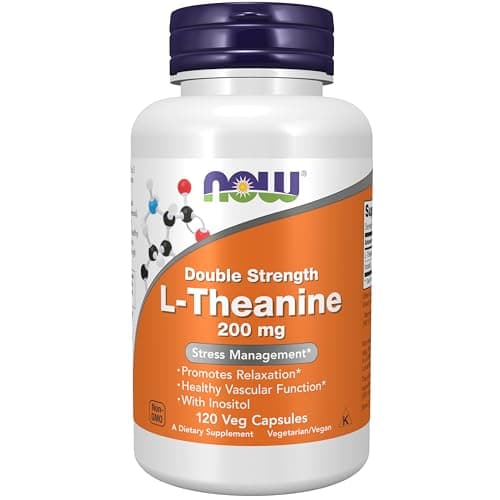
NOW Foods Supplements, L-Theanine 200 mg with Inositol, Stress…
Cost per serving
$0.17
120 servings · ~120-day supply
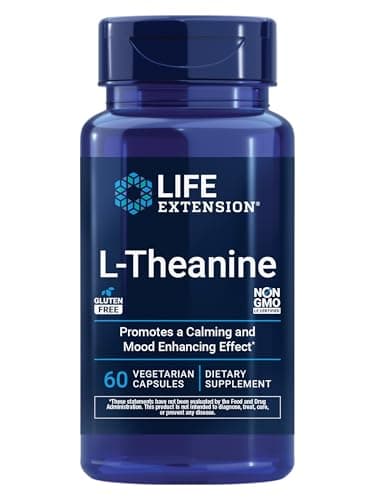
Life Extension L-Theanine
Cost per serving
$0.30
60 servings · ~60-day supply
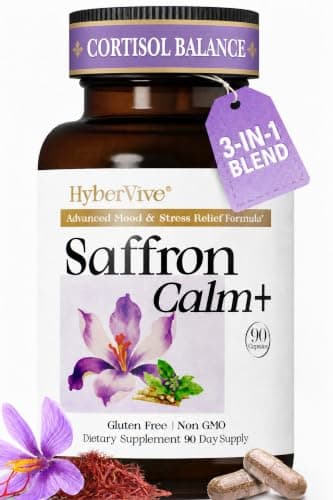
Saffron Supplements with Ashwagandha & L-Theanine - 368.5MG…
Cost per serving
$0.17
90 servings · ~90-day supply

OLLY Sleep Support Gummy Supplement
Cost per serving
$0.26
50 servings · ~50-day supply
Related guides
Ubiquinol vs ubiquinone: which CoQ10 is worth it
Ubiquinol absorbs somewhat better, but it costs about 2.5x more per 100 mg than ubiquinone — a median $0.335 vs $0.133 across 55 listings we price. What that gap is worth, the dose, and the statin question.
P-5-P vs regular vitamin B6: is the active form worth it?
P-5-P costs about 2x more per 50 mg than plain pyridoxine — a median $0.146 vs $0.071 across 56 listings we price. Most healthy people convert plain B6 fine, so here is what the premium buys, and the safety ceiling that matters more than either form.
Beetroot vs citrulline: which for pumps, and which for endurance
Both raise nitric oxide, but by different routes and for different goals — beetroot has the endurance edge, citrulline is the gym-pump staple. Doses, the honest split, and cost per dose.
Beta-alanine: dose, the tingling, and what it actually does
Beta-alanine buffers muscle acid to extend high-intensity efforts in the 1–4 minute range. It works by loading over weeks, not as a pre-workout kick. Real dose, why it tingles, and cost per serving.