Lemon balm: the dose for calm and sleep, and cost
Quick answer
Lemon balm is commonly taken at about 300-600 mg/day of leaf extract, often in the evening, and standardized products state rosmarinic acid content — so compare by cost per serving of extract.
Alex Soto, Founder, VitaminDB
6 min readUpdated 8/1/2026 NIH-sourced
On this page
Lemon balm is commonly taken at about 300-600 mg/day of leaf extract, often in the evening or split into two doses. It is a gentle, well-tolerated herb studied for calm and sleep. When buying, compare by cost per serving of extract — and if a product is standardized, use the rosmarinic acid content it discloses to compare fairly.
What lemon balm is
Lemon balm (Melissa officinalis) is a lemon-scented herb in the mint family, used for centuries as a calming tea and traditional remedy. In supplement form it shows up as a leaf extract, sometimes standardized to rosmarinic acid, one of its characteristic compounds.
It is most often reached for around stress, mild anxiety, and sleep, and it is generally regarded as gentle — which is part of its appeal for people who want something milder than a sedative.
The dose
A typical approach:
- About 300-600 mg/day of leaf extract.
- Often taken in the evening, or split into two smaller doses across the day.
- Standardized products may also list a rosmarinic acid amount, which helps you compare potency.
Follow the specific product's label, and give it a fair trial over several days rather than judging a single dose. This is general information, not medical advice.
What the evidence actually shows
Here is the honest read: the human evidence for lemon balm is preliminary and mixed, but generally leans positive for calm and mild stress. Some small studies report improvements in stress-related measures or subjective calm, and it is frequently studied for sleep quality. The studies are limited in size and quality, so the effects reported are modest and not consistent enough to call any use established.
So the reasonable framing is: lemon balm is a gentle option with early, encouraging data — not a proven treatment for an anxiety disorder or for insomnia. If stress or sleep problems are persistent or interfering with your life, that is worth a conversation with a clinician rather than self-managing with a supplement. Not medical advice.
NIH's LiverTox entry puts the safety question to bed: lemon balm extracts are generally recognised as safe and have not been linked to liver injury, and the extract is generally well tolerated with few if any adverse events — though it notes few prospective human studies have measured liver tests during treatment.
Pairing it with valerian for sleep
For sleep specifically, lemon balm is frequently combined with valerian. The two show up together in many sleep formulas, and the pairing is common enough that you will often see them sold as a pair rather than alone.
A couple of practical notes:
- If you buy a combination product, check the dose of each ingredient so you know what you are actually taking.
- If you already use a sedative, sleep medication, or another calming supplement, check with a clinician before stacking lemon balm and valerian on top. This is general information, not medical advice.
Is it well tolerated?
Lemon balm is generally well tolerated at typical doses, which is a big reason people try it first. As with any calming herb, some people may feel drowsy, so it is sensible to see how it affects you before combining it with anything else that causes drowsiness or before driving. Pregnant or nursing people, and anyone on prescription medication, should check with a clinician first. Not medical advice.
The label details that matter
Before buying, check:
- The extract amount per serving, so you can line up dose against price.
- Rosmarinic acid content or a standardization claim, if the product offers one — it is the fairest way to compare potency.
- Whether it is a combination (for example with valerian), and the dose of each part.
- Third-party testing where available.
A plain "leaf" milligram number tells you volume; a standardization figure tells you something about potency.
How to buy lemon balm by cost per dose
Do not compare bottles on the front-label milligrams alone. Compare on what a real serving costs:
- Note the extract per serving, and the rosmarinic acid content where standardized.
- Divide the total price by the number of servings in the bottle for a true cost per serving.
- For sleep stacks, factor in that a combination product is delivering more than one ingredient per serving.
Compare current prices per dose on /nutrients/lemon-balm, see the best current value picks on /best/lemon-balm, and read exactly how we calculate cost per dose on /methodology.
Buy the extract with the lowest cost per serving — ideally standardized so you can compare it honestly — and treat the calm-and-sleep benefits as promising but not guaranteed.
Covered nutrients: Lemon Balm
See the live cost-per-dose data
This guide is editorial — the prices below are real and current.
Frequently asked questions
How much lemon balm should I take per day?
A common range is about 300-600 mg/day of leaf extract, often taken in the evening or split into two doses. Standardized products may also state rosmarinic acid content. Follow the product label. This is general information, not medical advice.
Does lemon balm help with anxiety or sleep?
The human evidence is preliminary and mixed but generally leans positive for calm and mild stress. It is not an established treatment for an anxiety disorder or insomnia, so treat it as a gentle option rather than a cure, and see a clinician for persistent symptoms. Not medical advice.
Can I combine lemon balm with valerian?
Lemon balm is frequently combined with valerian in sleep products, and the pairing is common for that reason. If you already take a sedative or sleep medication, check with a clinician before stacking. This is general information, not medical advice.
How do I compare lemon balm cost per dose?
Compare by cost per serving of extract, and where possible by the rosmarinic acid content standardized products disclose, then divide the bottle price by the number of servings.
Where these numbers come from
Cost figures on this page are computed from 13 active Lemon Balm listings we track, last re-priced . Cost per dose is price ÷ (servings × dose), computed per listing — not a price we are quoted. Listings under $1 or with fewer than 3 servings are excluded, because both are usually a parse error rather than a bargain.
- Amazon.com · 13
Prices move. Figures written into the text are re-checked against live data on a schedule; the ranking pages are always the current number.
Sources
Health claims on this page are drawn from these sources. Prices and cost-per-dose figures come from our own tracked listings, not from the sources below.
- 1.Lemon Balm — LiverTox, NIH National Institute of Diabetes and Digestive and Kidney Diseases
Deals on these nutrients
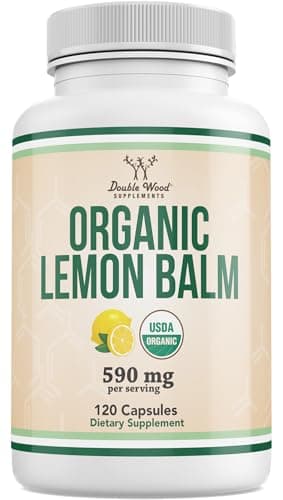
Double Wood Supplements Organic Lemon Balm 120 Capsules…
Cost per serving
$0.07
120 servings · ~120-day supply
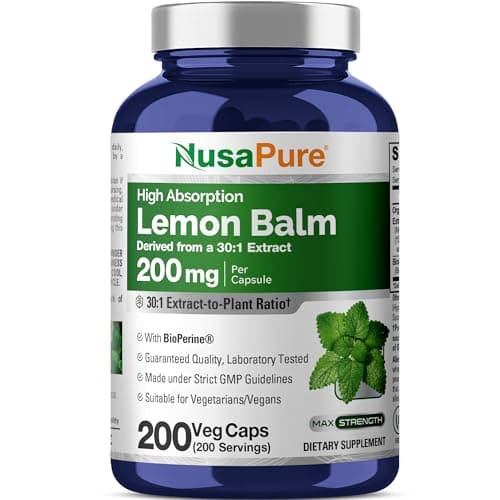
Lemon Balm, Non-GMO, Vegan, 200mg, 200 Veggie Capsules…
Cost per serving
$0.14
200 servings · ~200-day supply

Planetary Herbals Lemon Balm Full Spectrum 500mg
Cost per serving
$0.15
120 servings · ~120-day supply
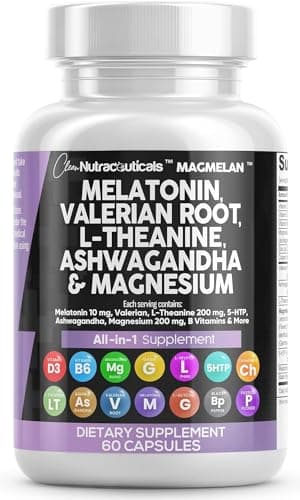
Clean Nutraceuticals Melatonin 10mg Valerian Root L Theanine…
Cost per serving
$0.42
60 servings · ~60-day supply
Related guides
Ubiquinol vs ubiquinone: which CoQ10 is worth it
Ubiquinol absorbs somewhat better, but it costs about 2.5x more per 100 mg than ubiquinone — a median $0.335 vs $0.133 across 55 listings we price. What that gap is worth, the dose, and the statin question.
P-5-P vs regular vitamin B6: is the active form worth it?
P-5-P costs about 2x more per 50 mg than plain pyridoxine — a median $0.146 vs $0.071 across 56 listings we price. Most healthy people convert plain B6 fine, so here is what the premium buys, and the safety ceiling that matters more than either form.
Beetroot vs citrulline: which for pumps, and which for endurance
Both raise nitric oxide, but by different routes and for different goals — beetroot has the endurance edge, citrulline is the gym-pump staple. Doses, the honest split, and cost per dose.
Beta-alanine: dose, the tingling, and what it actually does
Beta-alanine buffers muscle acid to extend high-intensity efforts in the 1–4 minute range. It works by loading over weeks, not as a pre-workout kick. Real dose, why it tingles, and cost per serving.