Nattokinase: the FU dose, what it's for, and cost
Quick answer
Nattokinase is dosed in fibrinolytic units, typically about 2,000 FU per day, so compare products by cost per 2,000 FU rather than by milligrams — and avoid it if you take blood thinners or are facing surgery.
Alex Soto, Founder, VitaminDB
6 min readUpdated 7/31/2026 NIH-sourced
On this page
The one thing to get right with nattokinase: it is dosed in **FU (fibrinolytic units), not milligrams, and the commonly used amount is about 2,000 FU per day**. If you compare products by milligrams you will compare the wrong number. This page explains why, what the enzyme is for, and the safety issue that matters most. It is a value guide, not medical advice.
What nattokinase is
Nattokinase is an enzyme extracted from natto, a traditional Japanese food made from fermented soybeans. The enzyme is produced during fermentation by the bacteria involved, and it is isolated and sold as a supplement in capsules. Because it is an enzyme, what matters is its activity, not just how much powder is in the capsule — and that is where FU comes in.
FU: the unit that actually matters
FU stands for fibrinolytic units. It is a measure of the enzyme's activity — roughly, how much work it can do — rather than its weight.
This distinction is the whole reason to read the label carefully:
- Two capsules can list the same milligrams and still contain different FU,
because activity depends on how the enzyme was produced and handled, not just mass.
- The standard reference dose you will see is around 2,000 FU per day.
- If a product advertises milligrams but hides the FU, you genuinely cannot tell
what you are buying.
So the rule is simple: find the FU per serving. If it is not on the label, that is a reason for caution, not a reason to guess.
What it is studied for
Nattokinase has been studied for a few circulation-related uses:
- Blood flow and circulation.
- Blood pressure.
- Clot-related blood markers — measures related to how the body breaks down
clots.
Here is the honest framing: the human evidence is limited. Much of it comes from small studies, and the results are not the kind of large, repeated trials that would let anyone promise an outcome. Treat any benefit as **plausible but unproven**, and be skeptical of product pages that state effects as fact.
The safety point that matters most
The pooled evidence is small but clean on tolerability: across the trials in a 2023 systematic review, no notable adverse events were reported in any study, while the same review reported reductions in systolic (−3.45 mmHg) and diastolic (−2.32 mmHg) blood pressure and cautioned that the number of studies is small. The bleeding caution below is mechanism-based, not trial-based.
This is the part to read twice. Nattokinase may thin the blood — that is closely tied to the very clot-breakdown activity it is studied for. That means:
- If you take anticoagulant or antiplatelet medication (for example, warfarin,
or other prescribed blood thinners), nattokinase could add to that effect and raise bleeding risk.
- If you have a bleeding disorder, the same concern applies.
- If you are scheduled for surgery or any procedure, this is exactly the kind of
supplement clinicians ask you to stop beforehand.
In all of those situations the sensible move is to **avoid it or check with a clinician first**. This is not a supplement to treat casually. None of this is medical advice — it is a flag to take the conversation to a professional.
How to compare cost — per 2,000 FU, not per mg
Because activity is measured in FU, milligrams are the wrong unit for value. A bottle that looks cheaper per milligram can deliver fewer FU per dose, which makes it more expensive for the thing you actually want.
To compare fairly:
- Find the FU per serving on each label.
- Work out how many 2,000 FU doses the bottle contains.
- Divide the price by that number to get cost per 2,000 FU.
That single figure lets you line up a "high mg" bargain against a properly labeled product on equal terms — and often flips which one is the better deal.
The honest bottom line
- Nattokinase is dosed in FU, and the common amount is about 2,000 FU/day.
- What it does in people is not well established — treat benefits as unproven.
- If you take blood thinners, have a bleeding condition, or face surgery,
avoid it or ask a clinician.
- Buy on cost per 2,000 FU, never per milligram.
Check listings on the nattokinase nutrient page, see the best-value nattokinase ranked by cost per dose, and read how we handle activity-based units in our methodology. Not medical advice.
Covered nutrients: Nattokinase
See the live cost-per-dose data
This guide is editorial — the prices below are real and current.
Frequently asked questions
What is an FU, and how much nattokinase should I take?
FU stands for fibrinolytic units, the activity measure used for nattokinase — it reflects enzyme activity, not weight. The commonly used amount is about 2,000 FU per day. Because two products with the same milligrams can have very different FU, the FU number is the one that matters. This is general information, not medical advice.
What is nattokinase used for?
Nattokinase is an enzyme from fermented soybeans (natto) that has been studied for circulation, blood pressure, and clot-related blood markers. Human evidence is limited and mostly from small studies, so its benefits should be treated as unproven rather than established. This is general information, not medical advice.
Is nattokinase safe with blood thinners?
This is the important safety point: nattokinase may thin the blood, so it can add to the effect of anticoagulant or antiplatelet medication and raise bleeding risk. Anyone on blood thinners, with a bleeding disorder, or scheduled for surgery should avoid it or speak with a clinician first. Not medical advice.
Why compare cost per FU instead of per milligram?
Because FU measures the enzyme's activity while milligrams only measure weight, and the two do not track together. A cheaper-looking bottle with more milligrams can actually deliver fewer FU per dose. Dividing price by the number of 2,000 FU doses is the only fair way to compare value.
Where these numbers come from
Cost figures on this page are computed from 19 active Nattokinase listings we track, last re-priced . Cost per dose is price ÷ (servings × dose), computed per listing — not a price we are quoted. Listings under $1 or with fewer than 3 servings are excluded, because both are usually a parse error rather than a bargain.
- Amazon.com · 18
- SuperSmart · 1
Prices move. Figures written into the text are re-checked against live data on a schedule; the ranking pages are always the current number.
Sources
Health claims on this page are drawn from these sources. Prices and cost-per-dose figures come from our own tracked listings, not from the sources below.
- 1.Nattokinase Supplementation and Cardiovascular Risk Factors: A Systematic Review — PubMed Central, NIH National Library of Medicine
Deals on these nutrients
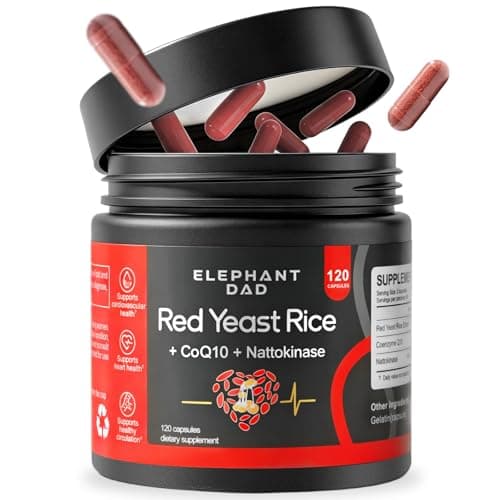
Red Yeast Rice 1200mg with Nattokinase & CoQ10 – Extra…
Cost per serving
$0.25
120 servings · ~120-day supply

Healthy Origins Nattokinase 2,000 FUs 100 mg, 180 Veggie Caps
Cost per serving
$0.16
180 servings · ~180-day supply

Best Naturals Nattokinase
Cost per serving
$0.11
90 servings · ~90-day supply
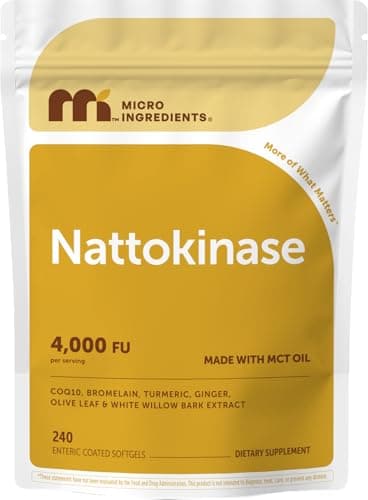
Micro Ingredients Nattokinase 240 Softgels
Cost per serving
$0.12
240 servings · ~240-day supply
Related guides
Ubiquinol vs ubiquinone: which CoQ10 is worth it
Ubiquinol absorbs somewhat better, but it costs about 2.5x more per 100 mg than ubiquinone — a median $0.335 vs $0.133 across 55 listings we price. What that gap is worth, the dose, and the statin question.
P-5-P vs regular vitamin B6: is the active form worth it?
P-5-P costs about 2x more per 50 mg than plain pyridoxine — a median $0.146 vs $0.071 across 56 listings we price. Most healthy people convert plain B6 fine, so here is what the premium buys, and the safety ceiling that matters more than either form.
Beetroot vs citrulline: which for pumps, and which for endurance
Both raise nitric oxide, but by different routes and for different goals — beetroot has the endurance edge, citrulline is the gym-pump staple. Doses, the honest split, and cost per dose.
Beta-alanine: dose, the tingling, and what it actually does
Beta-alanine buffers muscle acid to extend high-intensity efforts in the 1–4 minute range. It works by loading over weeks, not as a pre-workout kick. Real dose, why it tingles, and cost per serving.